
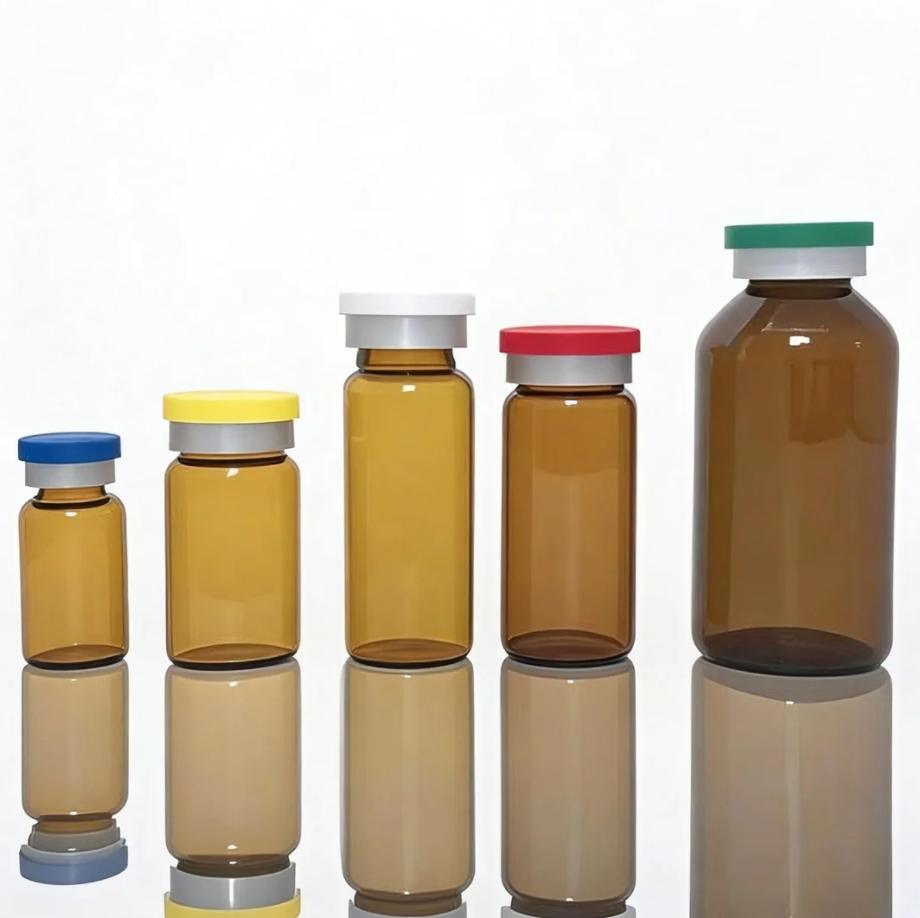
في عصر الصناعة 4.0، تطورت خطوط تعبئة وتغليف المستحضرات الصيدلانية إلى أنظمة بيئية مؤتمتة بالكامل وعالية السرعة. في حين أن هذه التطورات تعزز الإنتاجية بشكل كبير، إلا أنها تقلل أيضًا من هامش الخطأ فيما يتعلق بالأبعاد المادية للتغليف الأولي. أحد أكثر المعايير أهمية ولكن كثيرًا ما يتم تجاهلها هي انحراف المحور الرأسي.
بالنسبة للمصنعين، فإن الانحراف المفرط ليس مجرد فارق تقني بسيط؛ بل هو المحرك الرئيسي للتوقف غير المخطط له والأعطال الميكانيكية. تشنغتشو فار جلاس يعالج هذه المشكلة في الصناعة من خلال تنفيذ ضوابط هندسية صارمة، مما يضمن تكامل كل قارورة وأمبولة بسلاسة مع آلات التعبئة والتغطية المتطورة.
فهم انحراف المحور الرأسي في العبوات الزجاجية
يقيس انحراف المحور العمودي، الذي يشار إليه غالبًا باسم “الميل” أو “الجريان”، درجة انحراف مركز عنق القارورة عن المحور العمودي على القاعدة. في الحاوية المثالية، تكون هذه القيمة صفرًا. ومع ذلك، أثناء عملية التشكيل بالحرارة العالية للزجاج الأنبوبي، يمكن أن تحدث اختلافات طفيفة.
إذا تجاوز هذا الانحراف قدرة تحمل القوابض الآلية أو إبر التعبئة الآلية، فإن العواقب تكون فورية:
- ضربات الإبرة تصطدم إبرة التعبئة بحافة الكأس بدلاً من دخولها في العنق.
- أخطاء السقف: يتم وضع أغطية الألومنيوم أو السدادات المطاطية بزاوية، مما يضر بالعقم.
- المربى الناقل: الزجاجات المائلة معرضة للسقوط أو “الاهتزاز” على الأحزمة عالية السرعة.
معيار فار جلاس: هندسة محاذاة شبه مثالية
لدعم رواد الصيدلة العالمية, تشنغتشو فار جلاس وضعت معايير داخلية تتجاوز التوقعات القياسية في المجال.
1. الحد البالغ 1.2 مم: ضمان دقة الإبرة
بناءً على مواصفاتنا الفنية, فار جلاس يحافظ على انحراف المحور الرأسي أقل من 1.2 مم. وتعد هذه الدقة أمرًا حيويًا لخطوط التعبئة عالية السرعة حيث تتحرك الإبر على فترات زمنية تبلغ أجزاء من الثانية. ومن خلال ضمان توسيط العنق ضمن هذا الحد الضيق، فإننا نتخلص من خطر تلامس “الإبرة بالزجاج”، مما يمنع جسيمات الزجاج من تلويث الدفعة وحماية مكونات التعبئة البلاتينية باهظة الثمن.
2. التحكم في الارتفاع التكميلي (± 0.4 مم)
العمودية وحدها لا تكفي؛ بل يجب أن تقترن بارتفاع ثابت. فار جلاس يتحكم في تفاوت الارتفاع الكامل في حدود ± 0.4 مم. يضمن هذا النهج مزدوج الدقة ثبات “منطقة الضربة” للماكينات الآلية. عندما يتم تثبيت كل من الارتفاع والعمودية على حد سواء، يمكن لرؤوس السدادة تطبيق ضغط موحد للأسفل، مما يضمن إحكام إغلاق 100% دون تحطيم كتف القارورة.
3. التماثل الهيكلي والإجهاد الداخلي (≤ 400 نانومتر/مم)
ستظل القارورة المحاذاة عموديًا ولكنها مجهدة هيكليًا تتعطل تحت الحمل الميكانيكي. فار جلاس تضمن أن يتم التحكم في الضغط الداخلي تحت 400 نانومتر/مم. تضمن عملية التلدين هذه أن يمتلك الزجاج “المتانة” الميكانيكية اللازمة لتحمل الحركات السريعة لأجهزة الفرز الآلي والعجلات النجمية دون حدوث تشققات إجهاد.
دليل الاختيار: تحسين خطك من أجل عدم حدوث أي تعطل
عند اختيار العبوات الزجاجية لمنشأة مؤتمتة، يجب على الفرق الهندسية تقييم ما يلي فار جلاس العلامات الفنية:
- للحقن صغيرة الحجم (1 مل - 10 مل): يعد انحراف المحور الرأسي أكثر أهمية بسبب ضيق أقطار العنق. فار جلاس تُفضل القوارير الأنبوبية على الزجاج المقولب لهذه التطبيقات لأن عملية الأنابيب توفر بطبيعتها تركيزًا أفضل.
- لخطوط السوائل الفموية عالية السرعة: حتى بالنسبة للمنتجات غير القابلة للحقن، فإن الثبات هو المفتاح. لدينا زجاجات السائل الفموي من النوع A والنوع B استخدام نفس معيار الانحراف 1.2 مم لمنع التصادم بين الزجاجات على الخط.
- اختبار التوافق: نوصي فرق المشتريات بطلب تقارير “مقياس التوصيل” و“العمودية”. فار جلاس يوفر التوثيق الكامل لكل دفعة، مما يسهل التحقق من صحة (IQ/OQQQ) معدات التعبئة الخاصة بك.
ضمان الجودة: عامل المختبر
في تشنغتشو فار جلاس, نحن لا نعد بالدقة فحسب، بل نقيسها أيضًا. يستخدم مختبرنا لمراقبة الجودة أجهزة عرض قياس عالية الدقة وأنظمة فحص أوتوماتيكية لمراقبة كل عملية إنتاج. من خلال تحديد ورفض أي وحدة تتجاوز 1.2 مم حد المحور 1.2 مم, فنحن نضمن حصول عملائنا على منتج جاهز “للتوصيل والتشغيل” وجاهز لأجهزة التصنيع الأكثر تقدمًا.
الخاتمة: الدقة كميزة تنافسية
في تصنيع المستحضرات الصيدلانية بين الشركات (B2B)، تعتبر الكفاءة هي المقياس النهائي. تمثل كل دقيقة تعطل ناتجة عن قنينة غير متوائمة خسارة في الإيرادات واضطرابات محتملة في سلسلة التوريد. باختيار تشنغتشو فار جلاس, ، يستثمر المصنعون في منتج حيث التحكم في انحراف المحور الرأسي يتم التعامل معها كمتطلب هندسي أساسي بدلاً من كونها فكرة لاحقة.
التزامنا بـ دقة ارتفاع ± 0.4 مم و محاذاة 1.2 مم يوفر الأساس التقني لمستقبل “عدم التعطل”، مما يضمن بقاء إنتاجك على المسار الصحيح ووصول الأدوية إلى المرضى الذين يحتاجون إليها.

 AR
AR  EN
EN  FR
FR  DE
DE  ES
ES  PT
PT  FA
FA  RU
RU