العنوان الرئيسي: إتقان سلسلة التبريد وما بعدها: أفضل ممارسات التخزين والمناولة الأساسية لتغليف المستحضرات الصيدلانية
العنوان الفرعي: الحفاظ على العقم والنزاهة من المستودع إلى خط التعبئة
التاريخ: 13 أبريل 2026
المؤلف: فريق تشنغتشو فار جلاس التقني
في صناعة المستحضرات الصيدلانية، لا تنتهي رحلة الدواء عند التصنيع - بل تمتد إلى مراحل التعبئة والتغليف والتخزين والتوزيع. فحتى أقوى المكونات الصيدلانية النشطة (API) يمكن أن تتعرض للخطر إذا لم يتم تخزين مكونات التغليف والتعامل معها بشكل صحيح.
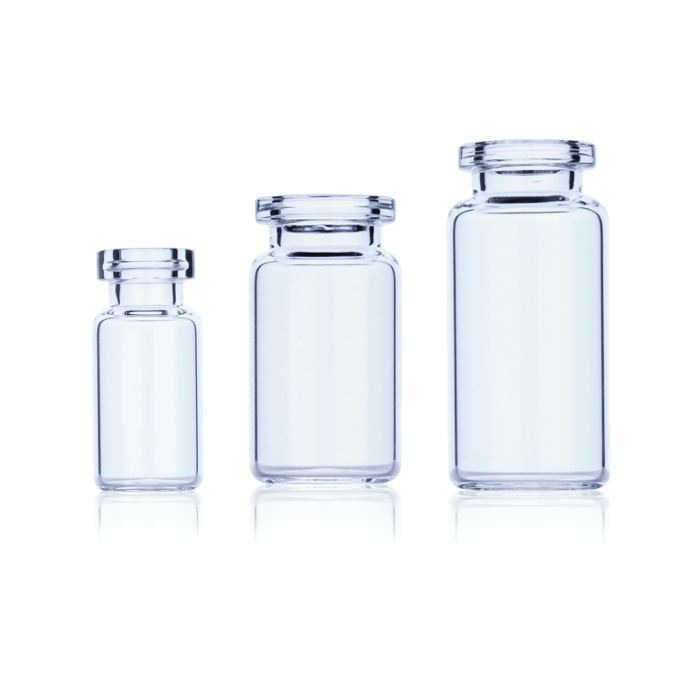
في تشنغتشو فار جلاس, نحن ندرك أن القوارير والأمبولات وزجاجات السوائل الفموية ليست مجرد حاويات؛ بل هي الحارس النهائي لفعالية الدواء. استنادًا إلى أحدث معايير الصناعة 2025-2026 وخبرة 30 عامًا في التصنيع، إليك دليلك الشامل للحفاظ على سلامة المنتج.
1. “القاعدة الذهبية” لتخزين عبوات المستحضرات الصيدلانية
الأعداء الأساسيون لتغليف الأدوية المعقمة هم الرطوبة، والغبار، والأضرار المادية. وفقًا لأحدث تحديثات ممارسات التصنيع الجيدة (GMP)، يجب التعامل مع مواد التغليف الأولية بنفس مستوى العناية الذي يتم التعامل به مع المادة الدوائية نفسها.
✅ أفضل الممارسات ✅ أفضل الممارسات: فحص الإجهاد 400 نانومتر
أحد علامات الجودة الحرجة للحاويات الزجاجية هو الإجهاد الداخلي. وكما هو موضح في التوجيهات الأخيرة لإدارة الأغذية والعقاقير بشأن سلامة العبوات الزجاجية، يجب التحكم في الإجهاد الداخلي لمنع الكسر التلقائي.
- معيارنا: في شركة Zhengzhou PharGlass، نتحكم بصرامة في الإجهاد الداخلي في حدود 400 نانومتر/ملم من سمك الزجاج. ومع ذلك، يمكن إبطال هذه الدقة في حالة تلف العبوة أثناء التخزين.
- الإجراء الخاص بك: احرص دائمًا على تخزين العبوات الزجاجية في عبواتها الأصلية محكمة الغلق (عادةً ما تكون محكمة الغلق بالأشعة تحت الحمراء البعيدة بالحرارة) حتى تصبح جاهزة للتعبئة في خط التعبئة. هذا يمنع امتصاص الرطوبة وتراكم الغبار الساكن.
2. تحسين بيئة المستودعات
التحكم في درجة الحرارة والرطوبة أمر غير قابل للتفاوض. تشير الدراسات الحديثة (2025) إلى أن تقلب مستويات الرطوبة يمكن أن يؤدي إلى “التفتح” أو الرشح القلوي على سطح الزجاج غير المطلي الذي يمكن أن يتفاعل مع الأدوية البيولوجية الحساسة.
🌡️ الظروف المثالية:
- درجة الحرارة: حافظ على درجة حرارة ثابتة بين 15 درجة مئوية - 25 درجة مئوية (59 درجة فهرنهايت - 77 درجة فهرنهايت). تجنب ظروف التجميد لأنها قد تسبب التكثيف عند الذوبان.
- الرطوبة: حافظ على نسبة الرطوبة النسبية أقل من 60% لمنع تلف الملصق وتلف المنصة النقالة من الورق المقوى.
⚠️ التحذير من ارتفاع المكدس
الاستقرار البدني أمر بالغ الأهمية. في حين أن زجاج البورسليكات المتوسط صُممت من أجل التحمل البدني العالي، ويمكن أن يؤدي التراص غير السليم إلى حدوث كسور دقيقة.
- التوصية: لا تقم بتكديس منصات نقالة أعلى من 3-4 طبقات ما لم تكن أرفف المستودع مصممة خصيصاً للتخزين عالي الكثافة. تأكد دائماً من أن الأرضية مستوية لمنع قوى القص على المنصات السفلية.
3. المناولة على أرضية الإنتاج
بمجرد خروج العبوة من المستودع ودخولها إلى منطقة التعبئة، يرتفع خطر التلوث. وغالبًا ما تكون المرحلة الانتقالية هي المرحلة التي يضيع فيها “التعقيم”.
✅ أفضل الممارسات ✅ أفضل الممارسات: التغذية الدقيقة
تُظهر بيانات التصنيع الخاصة بنا أن التحكم الدقيق في الأبعاد يقلل بشكل كبير من الاختناقات والكسر في خطوط التعبئة عالية السرعة.
- انحراف المحور الرأسي: يتم تصنيع القوارير الخاصة بنا بانحراف المحور الرأسي لـ أقل من 1.2 مم. تضمن هذه الدقة التعامل السلس مع ماكينات التعبئة الدوارة.
- تحمّل الارتفاع: مع انحراف الحد الأقصى للارتفاع الكامل لـ 0.4 مم (متفوقة على المواصفات القياسية في الصناعة)، تضمن زجاجاتنا ارتفاعًا ثابتًا للسد.
- الإجراء الخاص بك: عند نقل الحاويات من المنصة النقالة إلى القادوس، تجنب تفريغ كميات كبيرة دفعة واحدة. استخدم تغذية مضبوطة بدفعة صغيرة لمنع “تأثير القمع”، حيث تتكدس الزجاجات وتسحق بعضها البعض، مما قد يؤدي إلى توليد جسيمات زجاجية (شظايا زجاجية).
4. إدارة المخزون: نظام FIFO إلزامي
في الخدمات اللوجستية الصيدلانية، قاعدة “الوارد أولاً يخرج أولاً” (FIFO) ليست اختيارية، بل هي شرط تنظيمي.
- المخاطرة: في حين أن الزجاج نفسه لا تنتهي صلاحيته، إلا أن مواد التغليف الواقية (الورق المقوى والأغشية البلاستيكية) يمكن أن تتحلل بمرور الوقت، خاصةً في الظروف غير المثلى. بالإضافة إلى ذلك، قد تكون الدفعات الأقدم قد تم إنتاجها بموجب معايير سابقة (على سبيل المثال، معايير YBB الأقدم).
- نصيحة: مراجعة مخزونك بانتظام. إذا كنت تقوم بتخزين زجاجات متخصصة (مثل زجاجات قوارير حقن زجاج البورسليكات المنخفضة البورسليكات)، تأكد من استخدامها في إطار زمني معقول لضمان التوافق مع مواصفات خط التعبئة الحالية.
5. التزام شركة Zhengzhou PharGlass بالجودة
في Zhengzhou PharGlass، نحن لا نبيع الزجاجات فحسب؛ بل نوفر الضمان. فمع ما يقرب من 30 عامًا من التاريخ ونظام إدارة الجودة المتطور الذي يشمل اختبار التحليل الطيفي للامتصاص الذري، نضمن أن كل قطعة تغادر منشأتنا تلبي أعلى المعايير.
رؤى الخبراء: “ترتبط سلامة المنتج الدوائي ارتباطًا مباشرًا بسلامة العبوة الأولية. فالمناولة السليمة لا تمنع الكسر فحسب، بل تمنع أيضًا خطر تلوث الجسيمات الذي يعد سببًا رئيسيًا لسحب المنتج”. - قسم ضمان جودة زجاج تشنغتشو فار جلاس
الخاتمة
إن التخزين والمناولة السليمين هما الخطوتان الأخيرتان الحاسمتان في تقديم دواء آمن للمرضى. من خلال الالتزام بأفضل هذه الممارسات - التحكم في الرطوبة، والحفاظ على درجات حرارة مستقرة، واحترام التفاوتات المادية للتغليف - فإنك تضمن عدم المساس بعقم المنتجات الصيدلانية ومدة صلاحيتها.
هل أنت جاهز لترقية سلامة التعبئة والتغليف؟
اتصل بنا تشنغتشو فار جلاس اليوم لمناقشة مجموعتنا الكاملة من الأمبولات والقوارير وزجاجات السوائل الفموية الحاصلة على شهادة ISO، والمدعومة بـ 30 عامًا من التميز التقني.
 AR
AR  EN
EN  FR
FR  DE
DE  ES
ES  PT
PT  FA
FA  RU
RU