In the highly regulated and quality-driven sectors of pharmaceuticals, biotechnology, and clinical research, the integrity of a product is paramount. Contamination control is not just a measure; it is a fundamental requirement for patient safety and regulatory compliance. Amidst this stringent landscape, the Sterile Ready-to-Use Glass Vial has emerged as a critical packaging solution. This article delves into the technical nuances, manufacturing processes, applications, and industry advantages of these specialized vials, highlighting why they are the gold standard for modern aseptic filling operations.
Defining the Sterile Ready-to-Use (RTP) Vial
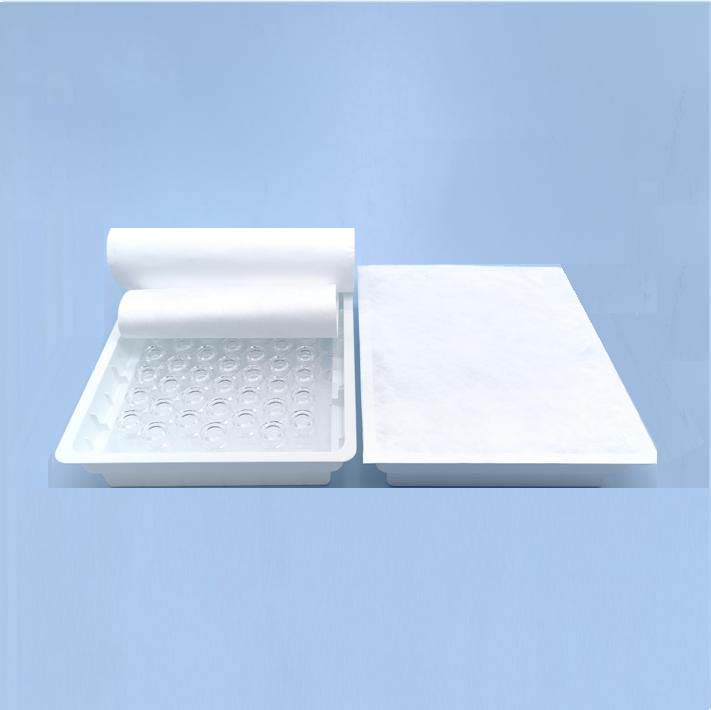
A Sterile Ready-to-Use Vial refers to a container that has undergone a comprehensive terminal sterilization process during its manufacturing phase and is supplied in hermetically sealed packaging. Unlike traditional vials that require manual washing and autoclaving before use—processes fraught with risk—these vials are delivered in a pristine, sterile state, ready for immediate filling and sealing.
The term “Ready-to-Use” signifies a significant shift in pharmaceutical manufacturing, emphasizing efficiency and risk mitigation. The vials are engineered to maintain their sterile integrity from the point of manufacture through to the final use in a clinical or laboratory setting.
The Manufacturing and Sterilization Process: Ensuring True Sterility
Achieving a validated sterile state is a complex, multi-step process governed by international pharmacopeias such as USP <71>, EU GMP Annex 1, and ISO standards. The production of high-quality قوارير زجاجية معقمة involves the following critical stages:
- Container Preparation: Initially, glass vials are formed through blow-and-blow or mold-blowing processes. They are then subjected to rigorous cleaning to remove particulates and residues.
- Terminal Sterilization Methods:
- Ethylene Oxide (EO) Sterilization: This method involves exposing the sealed vials to EO gas, a process known for its compatibility with heat-sensitive products. It is highly effective against all microorganisms, including spores.
- Steam Sterilization (Autoclaving): For products and packaging materials that can withstand high temperatures and moisture, saturated steam sterilization is used. This method is robust and leaves no toxic residues.
- Radiation Sterilization (Gamma or E-beam): Ionizing radiation penetrates the packaging to destroy microorganisms. This is a common method for products requiring a validated Sterility Assurance Level (SAL) of 10^-6.
- Sealing and Packaging: Following sterilization, vials are immediately sealed in tamper-evident, breathable or impermeable packaging (often double-bagged or placed in rigid containers). This prevents recontamination and protects the vials during transport and storage.
Key Technical Characteristics
The defining features of a premium Sterile Ready-to-Use Vial directly address the pain points of pharmaceutical manufacturers:
- Aseptic Integrity: These vials are released only after passing rigorous sterility tests and are certified to meet strict aseptic standards. The integrity of the seal ensures that the sterile barrier is maintained until the point of use.
- Ready-to-Use Convenience: The elimination of in-house washing, depyrogenation, and sterilization steps drastically reduces labor costs and turnaround time. Operators can open the package and fill the vial immediately, streamlining the production line.
- Superior Seal Integrity: Typically sealed with aluminum caps, flip-top caps, or crimp seals (depending on the application), these closures provide a secure microbial barrier. The choice of closure is often dictated by the viscosity of the product and the required shelf life.
Applications Across Industries
While the pharmaceutical industry is the primary consumer of Sterile Ready-to-Use Vials, their utility spans several high-stakes sectors:
- Pharmaceuticals & Biotech: These vials are indispensable for the packaging of injectables, vaccines, biologics, and critical medications. The rise of personalized medicine and complex biologics has increased the demand for RTP packaging that guarantees product stability and purity.
- Clinical Laboratories & Diagnostics: Research labs and diagnostic facilities rely on sterile vials for storing and transporting sensitive reagents, tissue samples, and cell cultures. Maintaining a contamination-free environment is crucial for accurate experimental results.
- Advanced Cosmetics & Ophthalmics: In niche markets like high-end skincare or ophthalmic solutions (eye drops), the perception of purity is as important as the product itself. Sterile vials convey a sense of safety and efficacy, enhancing brand value.
The Strategic Advantages: Cost, Risk, and Compliance
Adopting Sterile Ready-to-Use Vials offers a strategic advantage beyond mere convenience. From an operational perspective, companies can significantly reduce the capital expenditure associated with cleanroom space, washing equipment, and validation costs.
Furthermore, the reduction in human handling minimizes the risk of human error and cross-contamination—a leading cause of batch failures in aseptic processing. In an era where regulatory scrutiny is tighter than ever, using pre-sterilized components simplifies the validation process and ensures consistent compliance with Good Manufacturing Practices (GMP).
الخاتمة
إن Sterile Ready-to-Use Glass Vial is more than just a packaging component; it is a cornerstone of modern pharmaceutical manufacturing. By integrating advanced sterilization technologies with robust packaging design, these vials provide an unparalleled combination of sterility assurance, operational efficiency, and cost-effectiveness. As the industry continues to evolve towards more complex molecules and higher safety standards, the role of RTP vials will only become more critical, solidifying their place as an essential asset in the global healthcare supply chain.
 AR
AR  EN
EN  FR
FR  DE
DE  ES
ES  PT
PT  FA
FA  RU
RU