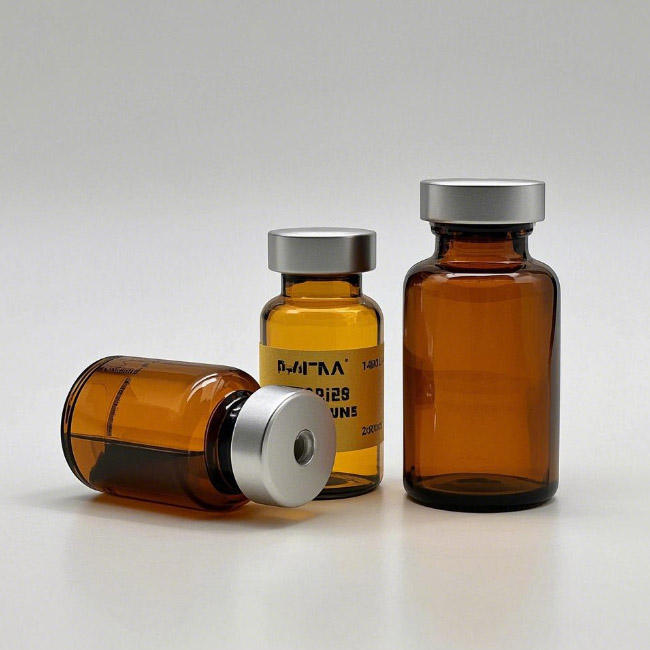
In the pharmaceutical and biotechnology sectors, the sterility of primary packaging is not just a preference—it is a regulatory imperative. Ampullen, those hermetically sealed glass vessels, serve as the final guardians of injectable drugs, vaccines, and sensitive biological fluids.
However, before they can be filled, they must undergo a rigorous cleaning process to remove particulate matter, chemical residues, and pyrogens. At PharGlass, we understand that a clean vial is the foundation of a safe drug product. Based on industry best practices and standard laboratory protocols, here is a comprehensive guide on how to effectively clean ampoules.
⚙️ The Science of Cleaning: Why Standard Washing Isn’t Enough
While a simple rinse might suffice for general laboratory glassware, pharmaceutical ampoules require a multi-stage approach. The goal is to achieve WFI (Water for Injection) quality standards. The process generally involves three mechanisms:
- Mechanical Removal: Using ultrasonic waves to dislodge microscopic dust.
- Chemical Reaction: Using acids and alkalis to neutralize surface residues.
- Thermal Depyrogenation: Using high heat to destroy bacterial endotoxins (pyrogens).
📋 Step-by-Step Cleaning Protocol
Drawing from established laboratory procedures, we have refined the cleaning process into four critical phases.
1. Pre-Washing & Ultrasonic Degreasing
The process begins with a bulk rinse to remove gross contaminants.
- Procedure: Fill a beaker with water, ensuring the water level covers the ampoules completely but does not exceed the vessel’s capacity to prevent overflow contamination.
- Ultrasonic Action: Subject the ampoules to ultrasonic cleaning for 20 minutes. The cavitation bubbles generated by the ultrasound effectively scrub the glass surface (both internal and external) at a microscopic level.
- Rinsing: Follow this with a thorough rinse using tap water, followed by three cycles of rinsing with purified water to remove loose particulates.
2. Acid Soaking (Removal of Alkali & Metals)
Glass surfaces can often retain alkaline residues from the manufacturing process. An acid bath neutralizes these residues.
- The Mixture: Prepare a cleaning bath using purified water mixed with a dilute solution of Hydrochloric Acid (HCl).
- Soaking: Submerge the ampoules in this acidic solution.
- Ultrasonic Enhancement: Apply ultrasonic cleaning again for 10 minutes while the ampoules are in the acid bath. This ensures the acid penetrates every micro-fissure.
- Post-Acid Rinse: Remove the ampoules and rinse them thoroughly with purified water to ensure no acid remains.
3. Alkali Soaking (Removal of Organic Residues)
To tackle organic contaminants or acidic residues, an alkaline wash is the counter-step.
- The Mixture: In a clean beaker, mix purified water with a dilute solution of Sodium Hydroxide (NaOH).
- Agitation: Place the ampoules into the solution. Agitate or shake gently to ensure the solution contacts the entire surface area.
- Final Rinse: This is the most critical washing step. The ampoules must be rinsed repeatedly with high-purity water (ideally WFI) until the rinse water tests neutral (pH 7.0).
4. Drying & Depyrogenation
Cleaning is futile without proper drying and sterilization.
- Preparation: Bundle the ampoules (using a clean rack or tying them carefully) and place them in a drying oven.
- Depyrogenation: This is the professional upgrade to simple “drying.” To ensure the ampoules are sterile and free of pyrogens (fever-causing endotoxins), they should be heated in a tunnel or oven.
- Standard Protocol: Heat the ampoules at 250°C for at least 30 minutes (or 320°C for 5 minutes). This high heat destroys the molecular structure of endotoxins.
- Cooling: Allow the ampoules to cool in a sterile environment before sealing or filling.
💡 PharGlass Insight: The Importance of Borosilicate Glass
The cleaning method above works most effectively with high-quality Borosilicate Glass (Type I). At PharGlass, we manufacture ampoules specifically designed to withstand these rigorous chemical and thermal stresses.
Note: Low-quality glass may suffer from “delamination” (shedding layers) when exposed to aggressive acid/alkali cleaning or high-heat depyrogenation. Choosing the right glass substrate is just as important as the cleaning process itself.
🔍 Summary Checklist for Procurement Managers
When sourcing ampoules for your pharmaceutical line, ensure your supplier meets these criteria:
- Material: ISO 12775 compliant Borosilicate or Soda-Lime glass.
- Dimensions: Precise neck and body tolerances for automated filling machines.
- Certification: DMF (Drug Master File) availability.
For high-quality ampoules that stand up to rigorous cleaning and sterilization, trust PharGlass—your partner in pharmaceutical packaging excellence.
 DE
DE  EN
EN  FR
FR  AR
AR  ES
ES  PT
PT  FA
FA  RU
RU