
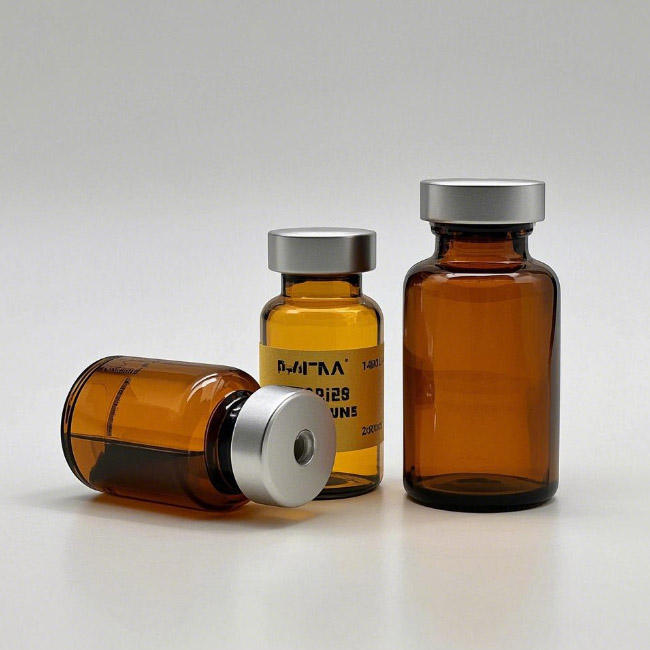
In the aseptic processing of parenteral drugs, the integrity of the final seal is non-negotiable. Ampoules, as hermetically sealed containers, are designed to provide the highest level of protection for glass-contact-only formulations. However, pharmaceutical manufacturers often encounter “leakers”—ampoules that fail to seal correctly during the tip-sealing or pull-sealing process.
Zhengzhou PharGlass specializes in manufacturing precision-engineered glass ampoules that mitigate these risks through superior dimensional consistency and thermal stability. This guide explores the technical factors that influence sealing performance and how PharGlass ensures a zero-defect sealing environment.
The Root Causes of Sealing Failures in Ampoule Lines
Sealing issues are rarely the result of a single factor. They typically arise from a misalignment between the automated machinery and the physical properties of the glass. Common problems include:
- Capillary Leaks: Microscopic channels in the seal that compromise sterility.
- Black Heads/Carbonization: Discoloration at the tip caused by uneven glass distribution.
- Cracked Tips: Stress fractures occurring immediately after the flame-sealing phase.
To resolve these, PharGlass focuses on “Parametric Excellence,” ensuring that the glass interacts predictably with the sealing flames.
Precision Geometry: The Foundation of a Perfect Seal
The sealing process relies on the uniform melting of the glass neck. Any variation in the glass’s physical dimensions can lead to uneven heat absorption.
1. Wall Thickness and Diameter Consistency
PharGlass ampoules are produced with a focus on uniform wall thickness. If one side of the neck is thicker than the other, the flame will melt the glass unevenly, resulting in a skewed or incomplete seal. By maintaining strict control over the outer diameter and wall consistency, PharGlass ensures a symmetric melt pool, which is essential for a robust hermetic seal.
2. Vertical Axis Deviation (< 1.2mm)
In automated “pull-seal” systems, the mechanical grippers must precisely grasp the top of the ampoule. PharGlass unterhält eine Abweichung der vertikalen Achse von weniger als 1,2 mm. This near-perfect verticality ensures that the ampoule neck is centered relative to the burners. Even a slight tilt can cause the flame to overheat one side of the glass, leading to thin spots or “blow-outs” in the seal.
3. Height Tolerance (±0.4mm)
The height of the ampoule determines the position of the flame contact point. With a full height tolerance controlled within ±0.4mm, PharGlass enables operators to set their burner heights with confidence. This consistency eliminates the need for manual adjustments during a production run, significantly reducing the rate of sealing rejects.
Thermal Stability: Managing the Annealing and Expansion
The material science behind the glass is just as critical as its shape. Zhengzhou PharGlass uses USP Type I and Type II (Low Borosilicate) glass, tailored for thermal endurance.
Internal Stress Control (≤ 400nm/mm)
High-speed sealing involves rapid localized heating. If the base ampoule has high residual stress, the thermal shock of the flame can cause the glass to shatter. PharGlass ensures that all products are annealed to keep internal stress below 400nm/mm. This “low-stress” state provides the thermal “elasticity” needed to transition from room temperature to the melting point ($>1000^\circ C$) without structural failure.
Low Coefficient of Expansion
Our Neutral Borosilicate glass features a low linear coefficient of expansion ($\leq 5 \times 10^{-6} K^{-1}$). This property ensures that as the seal cools, the glass contracts uniformly, preventing the development of tension cracks at the base of the seal—a common cause of delayed leakage during storage.
Selection Guide: Choosing the Right Ampoule System
When selecting ampoules for high-speed lines, technical teams should evaluate the following PharGlass features:
- OPC (One Point Cut) vs. Color Break Ring: Both systems must be manufactured without compromising the neck’s structural integrity. PharGlass ensures that the “score” or “ring” does not introduce stress concentrations that interfere with the sealing flame.
- Formulation Compatibility: For highly sensitive molecules, PharGlass Type I Neutral Borosilicate is recommended to ensure that the high heat of sealing does not trigger ion leaching at the neck area.
Conclusion: Engineering Peace of Mind
Unter Zhengzhou PharGlass, we understand that a single leaking ampoule can jeopardize an entire batch of high-value medication. By adhering to rigorous manufacturing standards—including ±0.4mm height precision und 1.2mm verticality limits—we provide the pharmaceutical industry with the reliability required for high-speed aseptic filling.
Choosing PharGlass means investing in a container that is engineered to seal perfectly, every time, protecting both the patient and the manufacturer’s reputation.

 DE
DE  EN
EN  FR
FR  AR
AR  ES
ES  PT
PT  FA
FA  RU
RU