Introduction: Understanding Pyrogen-free Pharmaceutical Packaging
In the pharmaceutical industry, patient safety begins at the packaging level. Pyrogen-free glass containers represent a critical advancement in sterile pharmaceutical packaging, designed specifically to meet the stringent requirements of injectable drugs, biologics, and other parenteral formulations. Pyrogens—primarily bacterial endotoxins derived from the outer membrane of gram-negative bacteria—are fever-inducing substances that can cause severe adverse reactions when introduced into the human bloodstream. The injection of endotoxins can lead to septic shock in worst-case scenarios, making depyrogenation an absolute necessity in aseptic filling processes.
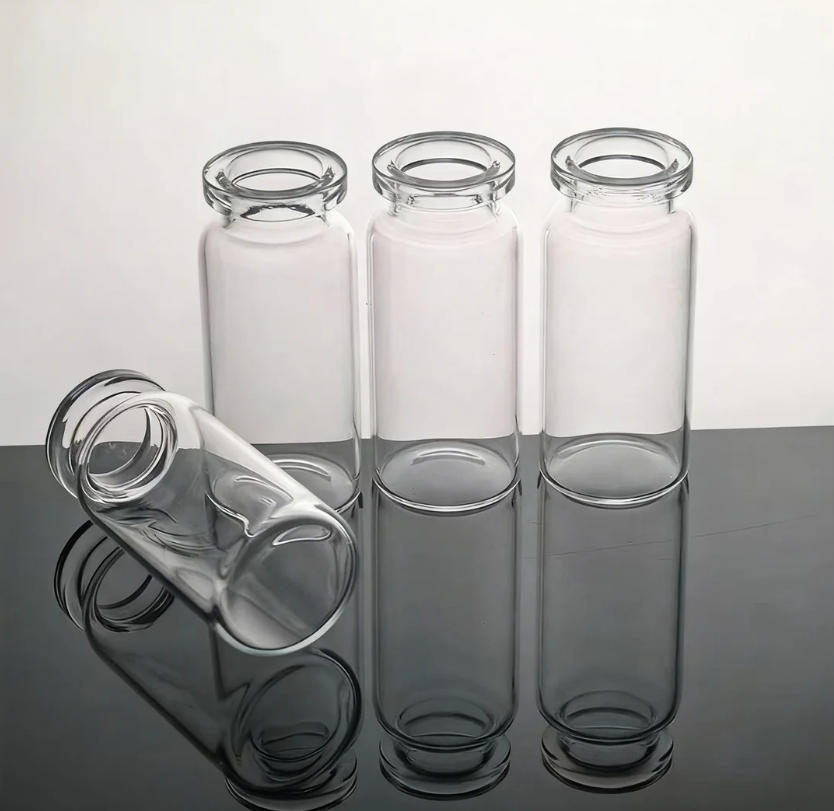
Pyrogen-free glass bottles are specialized containers manufactured, processed, and validated to be entirely free from these hazardous substances, ensuring that pharmaceutical manufacturers can package their products with uncompromised safety. According to industry definitions, depyrogenated glass containers are ready-to-use pharmaceutical glass primary packaging products that meet USP <85> and EP 2.6.14 bacterial endotoxin reduction standards.
Applications Across Pharmaceutical and Life Science Industries
Injectable Drugs and Parenteral Preparations
The primary application of pyrogen-free glass containers lies in the packaging of injectable drugs. Every parenteral formulation—whether administered intravenously, intramuscularly, or subcutaneously—requires primary packaging that will not introduce pyrogenic contaminants. Depyrogenated glass vials are used extensively for liquid injectable formulations, ensuring that the drug product remains safe for patient administration. The market is responding accordingly; the depyrogenated sterile empty vials market is projected to grow from $3.79 billion in 2025 to $5.55 billion by 2030 at a CAGR of 7.9%, driven by rising injectable drug production volumes worldwide.
Vaccines and Biological Products
Vaccines, particularly those requiring deep-cold storage such as mRNA vaccines, demand packaging that maintains both sterility and chemical compatibility. Pyrogen-free Type I borosilicate glass containers are the standard choice, offering superior hydrolytic resistance and thermal shock tolerance. As the biologics and vaccine market expands, depyrogenated sterile empty vials have become integral components of modern pharmaceutical packaging strategies. For example, EVERIC freeze vials specifically designed for mRNA and gene-therapy products highlight the critical role of depyrogenated Type I borosilicate containers in next-generation medicine.
Aplicaciones de laboratorio e investigación
In research and clinical laboratory settings, pyrogen-free glass containers are essential for storing sterile reagents, culture media, and biological specimens. The absence of endotoxins is particularly critical for cell culture work and molecular biology applications, where even trace amounts of pyrogens can compromise experimental results. Depyrogenated sterile empty vials are also utilized for collecting laboratory samples, with the increasing prevalence of infectious diseases globally driving additional demand.
Biologics and Biosimilars
The rapid expansion of biologics and biosimilars has intensified the demand for high-quality pyrogen-free packaging. Type I borosilicate glass—known for its low extractables and leachables profile—has become standard for biologic drug containment. For these sensitive protein therapeutics, any pyrogenic contamination could trigger immune responses that render the drug ineffective or dangerous.
Ophthalmic and Specialty Formulations
Ophthalmic preparations, injectable aesthetics, and other sterile products that bypass the body’s natural filtration systems also require pyrogen-free glass packaging. The cosmetic and personal care industries are increasingly adopting these standards for premium injectable aesthetic products where patient safety is paramount.
Key Advantages of Pyrogen-Free Glass Bottles
Patient Safety Through Endotoxin Elimination
The foremost advantage of pyrogen-free glass containers is the direct protection of patient health. By ensuring that primary packaging contains no fever-inducing substances, manufacturers significantly reduce the risk of pyrogenic reactions following drug administration. Compliance with USP <85> and EP 2.6.14 standards provides regulatory assurance that bacterial endotoxin levels meet acceptable limits (typically 0.25 EU/ml). Each glass container is subjected to validated dry heat treatment to destroy pyrogens and is processed within ISO cleanroom environments. European Pharmacopoeia guidelines further require a 3.0 log10 reduction in recoverable endotoxin for validated depyrogenation processes.
Superior Chemical Stability
Pharmaceutical-grade glass—particularly Type I borosilicate glass—offers excellent chemical inertness. It does not react with drug formulations, leach undesirable ions, or alter product stability over shelf life. This chemical stability is critical for sensitive biologics, vaccines, and other injectable drugs that could degrade in alternative packaging materials.
Reliable Container Closure Integrity
Pyrogen-free glass bottles are designed with robust sealing systems, typically utilizing rubber stoppers and aluminum or aluminum-plastic caps. This container closure integrity (CCI) prevents external contamination and maintains the sterility of the enclosed drug product throughout its shelf life. Many depyrogenated RTU vials are supplied with compatible sterile stoppers—such as FluroTec®-coated bromobutyl rubber—and undergo CCI validation for both long-term and cold storage applications.
Excellent Transparency for Visual Inspection
The clarity of glass enables pharmaceutical manufacturers to perform visual inspection of filled containers before release. Particulate contamination, cracks, or other defects can be identified through automated or manual inspection systems, adding an additional layer of quality assurance before products reach patients.
Enhanced Operational Efficiency (RTU Format)
Many pyrogen-free glass containers are supplied in ready-to-use (RTU) configurations, meaning they have been pre-washed, depyrogenated, and sterilized by the supplier before shipment. This eliminates the need for pharmaceutical manufacturers to invest in in-house washing equipment, depyrogenation tunnels, and associated validation protocols. As the industry shifts toward outsourcing vial preparation from pharmaceutical in-house operations to specialized suppliers, RTU formats reduce capital expenditure and streamline production workflows. A dominant strategic trend is pharmaceutical manufacturers focusing on drug development while packaging suppliers assume responsibility for sterile container processing. Modern RTU systems implement nest-and-tub designs that prevent glass-to-glass contact, reducing breakage, cosmetic defects, and particle generation during transportation and handling.
Market Context and Outlook
The global depyrogenated sterile empty vials market has demonstrated strong growth, expanding from $3.79 billion in 2025 to an anticipated $4.09 billion in 2026. Glass accounts for approximately 71.8% of this market, driven by its superior chemical resistance, thermal stability, and long-standing regulatory acceptance. North America currently dominates the market with roughly 38.4% share, though Asia-Pacific is expected to witness the fastest growth due to expanding pharmaceutical manufacturing capacity, particularly in China and India.
Conclusión
Pyrogen-free glass containers are indispensable to modern pharmaceutical manufacturing, offering a unique combination of patient safety, chemical stability, container closure integrity, and visual clarity. As biologics, vaccines, and injectable drugs continue to dominate the pharmaceutical pipeline, the demand for high-quality depyrogenated glass packaging will only intensify. By eliminating pyrogenic risk and maintaining drug stability, these containers represent not merely packaging but an integral component of patient safety and therapeutic efficacy.
Zhengzhou PharGlass is a professional supplier of pharmaceutical packaging materials in China, offering high-quality pharmaceutical glass bottles (including pyrogen-free and ready-to-use formats), rubber stoppers, and aluminum plastic caps for the medical and pharmaceutical industries. With OEM/ODM support and global shipping, PharGlass is dedicated to supporting pharmaceutical manufacturers with reliable, safety-focused primary packaging solutions.
 ES
ES  EN
EN  FR
FR  AR
AR  DE
DE  PT
PT  FA
FA  RU
RU