Titular: Más allá del vial: El auge de los sistemas avanzados de administración de fármacos (DDS) en 2026
Subtitular: Cómo la convergencia de la precisión del vidrio y la tecnología de polímeros está transformando la atención al paciente y cómo Zhengzhou PharGlass encaja en el ecosistema.
Date: 13 de abril de 2026
Autor: Centro de I+D de Zhengzhou PharGlass
El panorama farmacéutico de 2026 se define por un cambio del “tratamiento” a la “experiencia del paciente”. A medida que aumentan las enfermedades crónicas y los productos biológicos se hacen más complejos, la demanda de Sistemas de administración de fármacos (DDS)-como autoinyectores, inyectores-bolígrafo y jeringuillas de seguridad- ha explotado.
Los líderes mundiales de la industria, especialmente los de Düsseldorf y otros lugares, defienden desde hace tiempo el concepto de “solución de sistema”, que combina vidrio de alta calidad con plásticos avanzados para crear dispositivos fáciles de usar. En Zhengzhou PharGlass, Reconocemos que el futuro del envasado no es sólo el frasco, sino también la forma de administrar el medicamento.
He aquí cómo estamos adaptando nuestras capacidades de fabricación de vidrio a las rigurosas exigencias de los productos combinados modernos.
1. El enfoque “sistémico”: El vidrio y el polímero
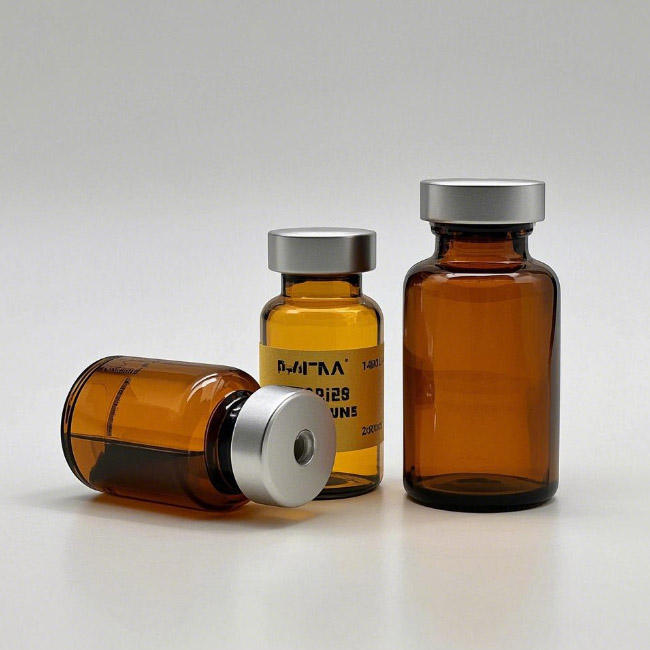
El estándar de oro en el envasado farmacéutico moderno es el Producto combinado. Se trata de un recipiente primario de vidrio (como un cartucho o un vial) integrado con un mecanismo de administración de plástico (como un inyector de pluma o un escudo de seguridad).
Aunque Zhengzhou PharGlass se especializa en el componente de vidrio, diseñamos nuestros productos teniendo en cuenta los requisitos específicos de estos sistemas de plástico.
⚙️ Precisión para mecánicos
En un inyector-bolígrafo o una jeringa de seguridad, el componente de vidrio actúa como una pieza mecánica, no sólo como un contenedor.
- El reto: Si un cartucho de vidrio tiene una desviación de altura de incluso una fracción de milímetro, puede atascar el mecanismo de resorte de un autoinyector, provocando el fallo de la dosis.
- Nuestra solución: Fabricamos nuestros Tubos de vidrio y productos transformados con una desviación límite en toda la altura de sólo 0,4 mm. Esta precisión extrema garantiza una integración perfecta con ensamblajes de plástico complejos, igualando los niveles de tolerancia exigidos por los ensambladores de sistemas de primer nivel.
2. El papel crítico de la consistencia del diámetro interior
Uno de los aspectos que más se pasan por alto en los sistemas de administración de fármacos es la interacción entre la pared de vidrio y el tapón elastomérico (el émbolo de goma). Esto es fundamental para Jeringuillas precargables y Carpoules.
🛢️ Fricción y fuerza de deslizamiento
Los principales fabricantes alemanes hacen hincapié en la importancia de la “fuerza de deslizamiento”, es decir, la suavidad con la que el émbolo se desplaza por el cañón.
- Zhengzhou PharGlass Standard: Utilizamos tecnologías de conformado avanzadas para garantizar que nuestros tubos tengan un Diámetro interior (DI).
- Por qué es importante:
- Demasiado apretado: La alta fricción dificulta que los pacientes (especialmente los ancianos) presionen el émbolo.
- Demasiado flojo: La junta falla, lo que provoca fugas o una dosificación incorrecta.
- Nuestro equilibrio: Al controlar el diámetro interior en micras, nos aseguramos de que las fuerzas de rotura y deslizamiento se mantengan dentro del margen óptimo para los tapones de caucho estándar.
3. La seguridad ante todo: Compatibilidad con dispositivos de seguridad
En 2026, las normas de seguridad relativas a las lesiones por pinchazo de aguja son más estrictas que nunca. Los dispositivos de seguridad (SED) que protegen la aguja tras su uso se están convirtiendo en obligatorios en muchos mercados.
🛡️ Ingeniería de seguridad
Estos dispositivos suelen depender de que la ampolla o vial de vidrio tenga una geometría muy específica para encajar en el clip o protector de seguridad.
- Desviación del eje vertical: Una ampolla doblada puede impedir que un protector de seguridad se cierre correctamente. Zhengzhou PharGlass garantiza una desviación del eje vertical <1,2 mm, garantizando que nuestros Ampollas (DIN ISO 9187-1) encajan perfectamente en los conjuntos de seguridad.
- Puntos OPC/CBR: Nuestra Corte en un punto (OPC) y Anillo de rotura de color (CBR) están diseñadas para encajarse limpiamente sin generar fragmentos “pop-top”, una característica de seguridad crítica cuando las enfermeras manipulan inyecciones a alta velocidad.
4. Selección de materiales: Borosilicato frente a polímeros
Mientras que los plásticos (COC/COP) ganan terreno para los dispositivos desechables, Vidrio borosilicato sigue siendo la opción preferida para el almacenamiento a largo plazo y de medicamentos de alto valor debido a sus propiedades de barrera superiores.
🧪 La estrategia de “lo mejor de los dos mundos”
Observamos que el sector avanza hacia soluciones híbridas:
- El embalse: Alta calidad Vidrio de borosilicato neutro (Tipo I) se utiliza como depósito (cartucho/vial) porque es impermeable a los gases y a la humedad.
- La interfaz: El plástico se utiliza para la interfaz externa (capuchón, protector de la aguja, cuerpo del inyector).
- Nuestro papel: Zhengzhou PharGlass se centra en ser el mejor proveedor de depósitos del mundo. Nuestra Vidrio bajo en borosilicato y Vidrio borosilicato medio proporcionan la inercia química necesaria para los productos biológicos sensibles, sirviendo como núcleo estable de estos complejos dispositivos de plástico.
5. Estética y marca: La sensación “Premium
En el mercado de la salud del consumidor (por ejemplo, bolígrafos de insulina, agonistas GLP-1 para adelgazar), el aspecto y el tacto del dispositivo importan.
✨ Claridad y presentación
El componente de cristal debe ser impecable para transmitir una sensación de calidad y confianza.
- Inspección visual: Nuestra Sellado termoplástico por infrarrojos lejanos garantiza que el vidrio llegue a las instalaciones del montador libre de polvo y microarañazos.
- Imprimibilidad: Nuestra superficie de vidrio está tratada para garantizar que las marcas láser (números de lote, fechas de caducidad) y las marcas externas del dispositivo sigan siendo legibles y de alto contraste, un requisito clave para la lucha contra la falsificación.
Conclusión: Preparados para el futuro de la distribución
La era de la botella autónoma está evolucionando hacia la era del Sistema de suministro integrado. En Zhengzhou PharGlass, No nos limitamos a fundir arena, sino que diseñamos componentes de precisión que impulsan los dispositivos vitales del mañana.
Al igualar las tolerancias dimensionales y las normas de calidad de los principales integradores de sistemas del mundo, garantizamos que nuestro vidrio está preparado para las aplicaciones de administración de fármacos más avanzadas.
Asociarse con Zhengzhou PharGlass para componentes de cristal que encajan perfectamente en el sistema.


 ES
ES  EN
EN  FR
FR  AR
AR  DE
DE  PT
PT  FA
FA  RU
RU