تیم فنی فارگلس
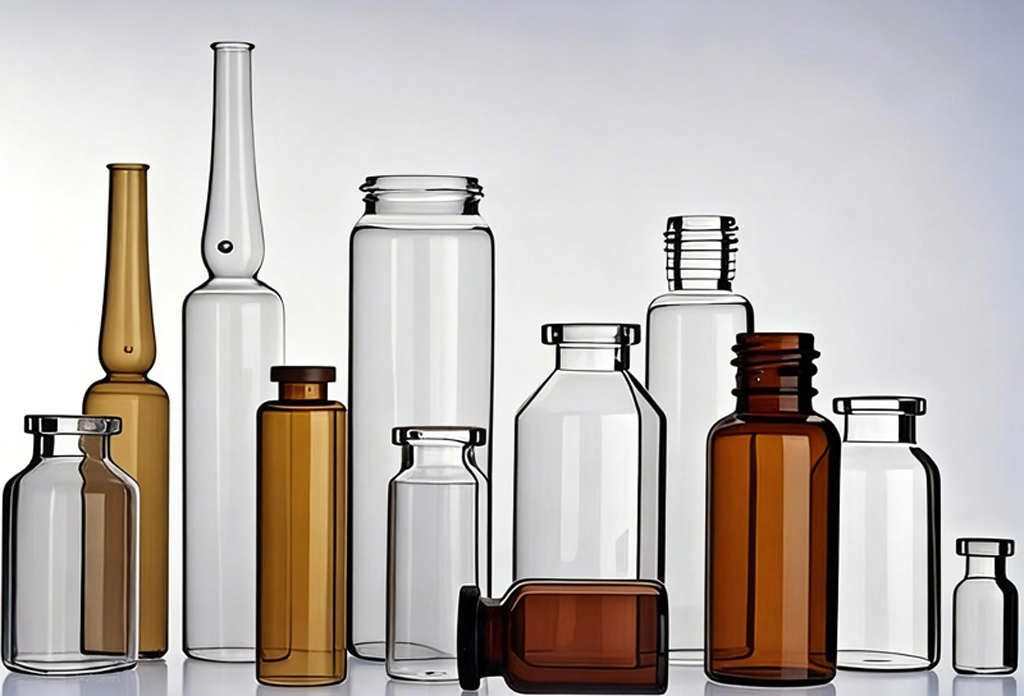
در دنیای بسیار مقرراتمحور تولید دارو، یکپارچگی بستهبندی اولیه به همان اندازه خود فرمولاسیون حیاتی است. چه در مورد داروهای تزریقی، واکسنها یا عوامل بیولوژیکی پیچیده باشد، مانع بین محصول استریل و محیط بیرونی باید مطلق باشد. در فارگلس, ما، بهعنوان یکی از تأمینکنندگان پیشرو در زمینه مواد بستهبندی دارویی با کیفیت بالا، درک میکنیم که “درز کاملاً محکم” با یک مؤلفه به تنهایی حاصل نمیشود، بلکه از طریق یک همکاری مهندسی پیچیده میان ویالهای شیشهای، درپوشهای لاستیکی و درپوشهای آلومینیومی محقق میگردد.
در حالی که شیشه ظرف سفت را فراهم میکند، مکانیزم آببندی بر پایهٔ سیستمی دوجزئی است: بست لاستیکی (پروکِهٔ لاستیکی) و پوشش مکانیکی اضافی (درپوش آلومینیومی). این ترکیب تصادفی نیست؛ نتیجهٔ دههها تکامل علم مواد است که برای ایجاد توازن میان عملکرد آببندی، ایمنی، سهولت کار و پایداری دارو طراحی شده است.
این مقاله به بررسی مبانی فنی پشت این روش آببندی استاندارد صنعتی میپردازد و بینشهایی را برای مسئولان تدارکات دارویی، مدیران تضمین کیفیت و مهندسان تحقیق و توسعه که به دنبال بهینهسازی خطوط بستهبندی خود هستند، ارائه میدهد.
بخش اول: هسته الاستومری – نقش درپوشهای لاستیکی دارویی
درپوش لاستیکی مانع اصلی است. برخلاف درپوشهای فلزی یا شیشهای، لاستیک خواص ویسکوالاستیک منحصربهفردی ارائه میدهد که برای داروهای وریدی مدرن ضروری است. در فارگلس, ، درپوشهای لاستیکی ما تحت فرآوری دقیقی—شامل سیلیکونیسازی و استریلسازی—قرار میگیرند تا بالاترین استانداردهای خلوص را برآورده سازند.
۱. عملکرد آببندی برتر از طریق انعطافپذیری
نیاز اساسی هر درپوش ویال جلوگیری از ورود هوا، رطوبت و میکروارگانیسمها است. لاستیک دارای کشسانی و انعطافپذیری عالی است. هنگامی که درپوش به داخل گردن ویال شیشهای فشرده میشود، پلمب بهطور کامل با دیوار داخلی دهانه بطری منطبق میگردد.
این “اتصال تداخلی” یک مهر و موم هرمتیک ایجاد میکند که حتی تحت چرخههای حرارتی (تغییرات دما در حین استریلسازی یا نگهداری) یا لرزشهای مکانیکی خفیف در حین حمل و نقل نیز مؤثر باقی میماند. برخلاف مواد سخت که ممکن است بهدلیل تلرانسهای متغیر در شیشه میکروشکافهایی ایجاد کنند، لاستیک این تغییرات را جبران میکند و محیطی کاملاً ضد نشت فراهم میآورد که از اکسیداسیون و آلودگی جلوگیری میکند.
۲. خنثی بودن شیمیایی و سازگاری
برای داروهای تزریقی و بیولوژیک، سازگاری شیمیایی غیرقابل مذاکره است. درپوش نباید مواد استخراجشده را به محلول دارو آزاد کند و نباید ترکیبات فعال را از فرمولاسیون جذب کند.
لاستیک دارویی با کیفیت بالا، مانند ترکیبات بروموبوتیل یا کلروبوتیل مورد استفاده توسط فارگلس, از نظر شیمیایی خنثی است. این مواد طوری فرموله شدهاند که در برابر طیف وسیعی از داروها با محدوده pH متفاوت مقاومت کنند. علاوه بر این، فرآیندهای پیشرفته ساخت مانند درمان پلاسما یا شستشوی سهگانه تضمین میکنند که درپوشها عاری از ذرات معلق و اندوتوکسین باشند، که آنها را حتی برای حساسترین فرمولاسیونهای بیولوژیکی ایمن میسازد.
۳. قابلیت آببندی مجدد و مقاومت در برابر هستهزدایی
یک مزیت بارز لاستیک نسبت به درپوشهای شیشهای یا فلزی، توانایی آن در مقاومت در برابر سوراخ شدن توسط سوزن است. این ویژگی “قابلیت آببندی مجدد” نامیده میشود. وقتی سوزن زیرجلدی برای برداشتن دارو از طریق درپوش عبور میکند، حافظه ارتجاعی لاستیک باعث میشود شکاف تقریباً بلافاصله پس از خارج شدن سوزن بسته شود.
- خودچسبشونده: این امر خطر نشت را به حداقل میرساند و از ورود آلایندههای معلق در هوا پس از دسترسی به ویال جلوگیری میکند.
- حفرهٔ کمعمق: درپوشهای لاستیکی درجهیک طوری طراحی شدهاند که در برابر “هسته شدن” مقاومت کنند؛ یعنی قطعهای از لاستیک جدا شده و وارد مایع نشود. این امر ایمنی بیمار را تضمین کرده و شفافیت محلول را حفظ میکند.
بخش دوم: سپر مکانیکی – عملکرد درپوشهای آلومینیومی
اگر درپوش لاستیکی مهر و موم را فراهم میکند، درپوش آلومینیومی امنیت را تأمین میکند. درپوش آلومینیومی (یا درپوش فلپآف) که اغلب بهعنوان “اوورسیل” شناخته میشود، خط دوم دفاع است.
۱. تثبیت مکانیکی و فشار
لاستیک کشسان است، یعنی میخواهد به شکل اولیهاش بازگردد. بدون فشار خارجی، درپوش لاستیکی ممکن است در اثر تغییر فشار داخلی در نهایت شل شود یا بیرون بزند. درپوش آلومینیومی این مشکل را از طریق پرس مکانیکی حل میکند.
در طول فرآیند بستن درپوش، دامن نرم آلومینیومی بهطور محکم دور لبهی (برجستگی) ویال شیشهای پیچیده میشود. این عمل نیروی قابلتوجهی به سمت پایین بر روی درپوش لاستیکی وارد میکند و آن را بهطور محکم در جای خود قفل مینماید. این تثبیت مکانیکی تضمین میکند که مهر و موم صرفنظر از تغییرات خلأ یا فشار داخلی همچنان محکم باقی بماند و از شل شدن درپوش در حین حملونقل و توزیع جلوگیری میکند.
۲. مانع فیزیکی و نشانهی دستکاری
درپوش آلومینیومی بهعنوان سپری برای درپوش لاستیکی عمل میکند. این درپوش الاستومر را از قرار گرفتن مستقیم در معرض نور، گرد و غبار و سایش فیزیکی محافظت میکند که میتواند با گذشت زمان باعث تخریب لاستیک شود.
علاوه بر این، درپوش یک عملکرد ایمنی حیاتی دارد: نشانگر عدم دستکاری. پس از پرس شدن، درپوش آلومینیومی بدون تخریب قابل مشاهده قابل جدا شدن نیست. این امر به ارائهدهندگان خدمات بهداشتی و بیماران اطمینان میدهد که استریلیته محصول پیش از مصرف حفظ شده است. برخی از طرحها همچنین دارای یک درپوش پلاستیکی (ترکیب آلومینیوم-پلاستیک) هستند تا سطح لاستیکی را پیش از اولین استفاده، بیشتر از آلایندههای محیطی محافظت کنند.
۳. قابلیت ردیابی و شناسایی
زنجیرههای تأمین دارویی مدرن نیازمند ردیابی دقیق هستند. سطح صاف درپوش آلومینیومی بستر ایدهآلی برای چاپ شمارهٔ سریال، تاریخ انقضا و لوگوها مستقیماً روی بستهبندی فراهم میکند. این ادغام شناسایی در مؤلفهٔ بستهبندی، فرآیند تولید را سادهسازی کرده و دیدپذیری زنجیرهٔ تأمین را افزایش میدهد.
بخش سوم: همافزایی آببندی ترکیبی
چرا وقتی ممکن است یک مؤلفه کافی به نظر برسد، از دو مؤلفه استفاده کنیم؟ پاسخ در ماهیت تکمیلی این مواد نهفته است. ترکیب یک درپوش لاستیکی و یک درپوش آلومینیومی محدودیتهای استفاده از هر یک از این مواد بهتنهایی را برطرف میکند.
| ویژگی | مشارکت درپوش لاستیکی | مشارکت درپوش آلومینیومی | نتیجهٔ ترکیبی |
|---|---|---|---|
| آببندی | از طریق فشردهسازی، مانع هرمتیک واقعی را فراهم میکند. | نیروی فشردهسازی را در طول زمان حفظ میکند. | یکپارچگی ضد نشت در درازمدت. |
| دسترسی | امکان نفوذ سوزن و خودبستهشدن را فراهم میکند. | منطقه سوراخشدگی را تا زمان استفاده محافظت میکند. | دسترسی ایمن برای دوزهای چندگانه یا مصرف یکباره. |
| ثبات | از نظر شیمیایی با دارو سازگار است. | لاستیک را در برابر اشعه فرابنفش و آسیبهای فیزیکی محافظت میکند. | طول عمر و اثربخشی طولانیتر. |
| ایمنی | از نظر بیولوژیکی بیاثر. | قابل تشخیص در صورت دستکاری و ایمن. | حفاظت از بیمار و انطباق با مقررات. |
این “آببندی دینامیک” (واکنش لاستیک به سوزن) در ترکیب با “ثابتسازی ایستا” (چسبندگی آلومینیوم به شیشه) سیستمی مستحکم ایجاد میکند که قادر است در برابر سختیهای استریلسازی با بخار (اتوکلاو)، خشککردن انجمادی (لیوفیلیزاسیون) و حملونقل جهانی مقاومت کند.
نتیجهگیری: انتخاب شریک مناسب برای برتری در بستهبندی
انتخاب درپوش ویالها نقطه تصمیمگیری حیاتی در توسعه دارو است. نقص در سیستم بستهبندی میتواند منجر به فراخوانی محصول، کاهش اثربخشی و خطرات برای سلامت بیمار شود.
در فارگلس, ما صرفاً قطعات را عرضه نمیکنیم؛ بلکه اطمینان را عرضه میکنیم. مجموعه محصولات ما شامل ویالهای شیشهای با بوریسیلیکات بالا، درپوشهای لاستیکی قالبگیریشده با دقت و درپوشهای آلومینیومی بادوام است که همگی تحت سیستمهای کنترل کیفیت سختگیرانه تولید میشوند. چه به راهحلهای استاندارد OEM نیاز داشته باشید و چه به سفارشیسازی تخصصی ODM برای داروهای پیچیده زیستی، تیم ما متعهد است بستهبندیای ارائه دهد که پاسخگوی نیازهای سختگیرانه صنعت داروسازی جهانی باشد.
با درک علم نهفته در درزگیر—چگونگی پیوند کشسانی لاستیک با استحکام آلومینیوم—تولیدکنندگان میتوانند تصمیمات آگاهانهای اتخاذ کنند که تضمین میکند داروهای نجاتبخش آنها دقیقاً همانطور که در نظر گرفته شده به دست بیماران برسد: ایمن، استریل و مؤثر.
درباره فارگلس
فارگلس یک تأمینکننده حرفهای مواد بستهبندی دارویی با کیفیت بالا است. ما در زمینه بطریهای شیشهای نوع I، درپوشهای لاستیکی با درجه پزشکی و درپوشهای آلومینیومی/فلپ-آف تخصص داریم. ما به تولیدکنندگان جهانی دارو خدمات ارائه میدهیم و پشتیبانی جامع OEM/ODM را با پایبندی به استانداردهای بینالمللی کیفیت، برای تضمین تحویل قابل اعتماد و حفاظت برتر از محصول ارائه مینماییم. برای گفتگو در مورد نیازهای بستهبندی خود، همین امروز با ما تماس بگیرید.
 FA
FA  EN
EN  FR
FR  AR
AR  DE
DE  ES
ES  PT
PT  RU
RU