Titre : Au-delà du flacon : L'avenir de l'emballage pharmaceutique en 2026
Sous-titre : Comment Zhengzhou PharGlass s'adapte aux règlements de l'UE, à la traçabilité intelligente et à l'innovation durable.
Date : 13 avril 2026
Auteur : Centre de R&D de Zhengzhou PharGlass
L'industrie de l'emballage pharmaceutique est en pleine mutation. À l'horizon 2026, la définition d'un “emballage parfait” a évolué. Il ne s'agit plus seulement de confinement et de stérilité, mais aussi de durabilité, de traçabilité et d'intelligence.
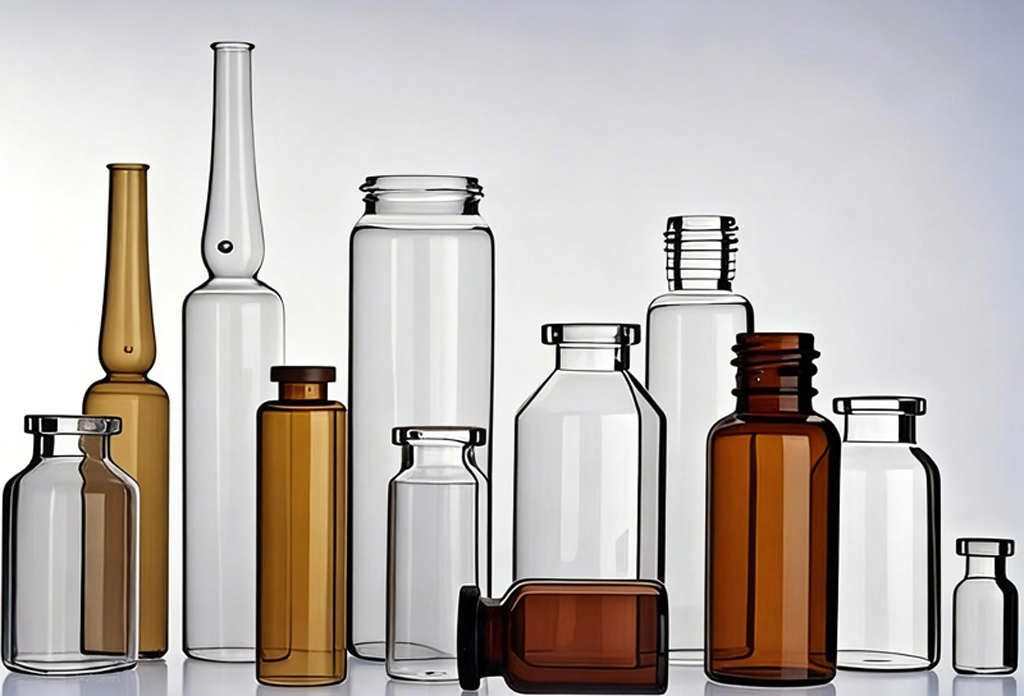
Au Zhengzhou PharGlass, En tant que fabricant de verre, nous surveillons constamment ces changements mondiaux pour nous assurer que nos solutions en verre restent à l'avant-garde de la chaîne d'approvisionnement. De la mise en œuvre du nouveau règlement européen sur les emballages (UE) 2025/40 à l'essor des “emballages connectés”, voici comment le paysage évolue et comment nous y répondons.
1. L'impératif de durabilité : S'adapter au règlement européen 2025/40
L'Union européenne a établi une nouvelle référence avec la mise en œuvre de la Règlement (UE) 2025/40, qui entrera officiellement en vigueur au début de l'année 2026. Ce règlement impose des objectifs de recyclage stricts et des mesures de réduction des déchets.
Alors que l'emballage primaire des produits pharmaceutiques (comme nos flacons et ampoules en verre) bénéficie souvent d'exemptions pour garantir la sécurité et la stérilité des patients, la pression exercée pour réduire les déchets d'emballage secondaire est immense.
L'avantage du verre
Le verre reste l'étalon-or de l'économie circulaire. Contrairement aux plastiques multicouches complexes, le verre est 100% recyclable sans perte de qualité.
- Notre réponse : Zhengzhou PharGlass continue d'optimiser le poids de ses produits. Verre borosilicaté moyen des tubes. En réduisant l'épaisseur de la paroi sans compromettre la 400nm/mm limite de contrainte interne, Nous aidons nos partenaires à réduire leur empreinte carbone par unité tout en respectant les normes rigoureuses de l'Union européenne. DIN ISO 9187-1 normes.
2. Innovation en matière de matériaux : L'essor de la nanocellulose et des systèmes hybrides
De récents rapports industriels de 2026 mettent en évidence une augmentation de l'utilisation des Nanocellulose et les films biosourcés. Alors que le plastique a longtemps été la norme pour les blisters secondaires, les nouvelles technologies permettent d'obtenir des films cellulosiques à haute barrière qui sont compostables et biodégradables.
🔬 Aperçu technique
La nanocellulose offre une barrière à l'oxygène impressionnante grâce à son réseau dense de liaisons hydrogène. Cependant, la sensibilité à l'humidité reste un défi.
- Zhengzhou PharGlass Perspective : Nous suivons de près ces développements pour notre Flacons de liquide oral et les composants de l'emballage secondaire. Alors que le contenant primaire des produits injectables sensibles doit rester en verre inerte pour éviter toute interaction avec l'IPA (ingrédient pharmaceutique actif), l'intégration de matériaux secondaires respectueux de l'environnement nous permet d'offrir une solution holistique d“”emballage vert".
3. L'ère des “emballages connectés” et de la traçabilité
En 2026, la qualité d'un paquet dépend des données qu'il transporte. La poussée mondiale en faveur de la Loi sur la sécurité de la chaîne d'approvisionnement en médicaments (DSCSA) et d'autres mandats internationaux similaires a rendu la traçabilité non négociable.
📱 Fioles intelligentes et technologie NFC
“L”"emballage connecté" est en train de passer d'un concept de niche à une nécessité stratégique. Des technologies telles que NFC (Near Field Communication) et RFID sont désormais intégrés dans les lignes d'emballage pour lutter contre la contrefaçon et favoriser l'adhésion des patients.
- Le défi : Les lignes de remplissage à grande vitesse exigent une précision absolue. Un flacon présentant une forte déviation de l'axe vertical peut bloquer un lecteur RFID sensible ou entraîner la défaillance d'un robot d'étiquetage.
- Notre solution : Notre processus de fabrication garantit une déviation de l'axe vertical <1,2 mm et un tolérance de hauteur de ±0,4 mm. Cette précision extrême garantit que chaque flacon de Zhengzhou PharGlass est compatible avec les systèmes d'inspection visuelle et de sérialisation les plus avancés, facilitant ainsi un processus “Track and Trace” sans heurts.
4. Lutte contre la contrefaçon : Le rôle de l'emballage primaire
Avec l'essor du commerce électronique dans le secteur pharmaceutique, le risque de falsification des médicaments s'est accru. Les organismes de réglementation exigent que les emballages soient non seulement inviolables, mais aussi identifiables de manière unique.
🛡️ La sécurité par la qualité
Les contrefacteurs ont souvent du mal à reproduire les propriétés physiques du verre borosilicaté de haute qualité.
- Résistance chimique : Notre verre répond USP Type I et YBB et offre une résistance supérieure à l'hydrolyse. Il est difficile d'imiter cette signature chimique avec des produits de substitution de la chaux sodée de mauvaise qualité.
- Compatibilité avec le marquage laser : Lorsque la sérialisation passe des étiquettes au marquage direct sur le verre, la qualité de la surface du contenant est essentielle. Nos tubes à faible teneur en borosilicate et à teneur moyenne en borosilicate sont conçus pour accepter la gravure au laser sans microfissure, ce qui garantit la permanence et la lisibilité des codes de lots et des codes 2D Data Matrix.
5. Regarder vers l'avenir : Un engagement en faveur de l'innovation
L'intersection de la réglementation, de la technologie et de la durabilité crée un environnement complexe pour les fabricants de produits pharmaceutiques.
Au Zhengzhou PharGlass, Nous ne nous contentons pas de fabriquer du verre, nous concevons des solutions pour l'avenir. Qu'il s'agisse de s'adapter aux Objectifs de l'UE en matière de recyclage pour 2030 ou de veiller à ce que notre Ampoules sont prêtes pour les lignes d'inspection pilotées par l'IA, nos 30 années d'expertise sont dédiées à vous permettre de rester conformes et compétitifs.
Note de l'industrie : D'ici à 2026, l'intégration de fonctions “intelligentes” et de matériaux “verts” définira les leaders du marché. Zhengzhou PharGlass est fier d'être la base sur laquelle ces innovations sont construites.
Partenaire d'un fabricant avant-gardiste
Veillez à ce que votre chaîne d'approvisionnement soit prête pour l'avenir. Contact Zhengzhou PharGlass aujourd'hui pour obtenir notre dernier catalogue d'emballages pharmaceutiques en verre certifiés ISO.
 FR
FR  EN
EN  AR
AR  DE
DE  ES
ES  PT
PT  FA
FA  RU
RU