Data: 16 de abril de 2026 Categoria: Cuidados com o diabetes / Educação sobre dispositivos médicos Autor: Equipe de Insights de Saúde do PharGlass
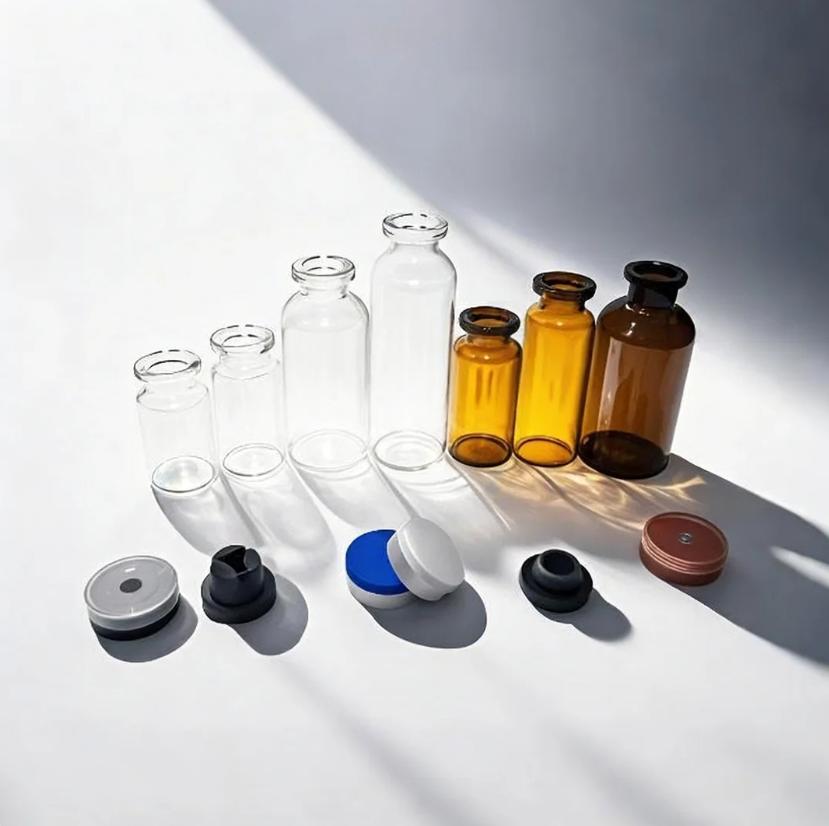
A terapia com insulina continua sendo a pedra angular do controle do diabetes, com as canetas de insulina surgindo como uma inovação centrada no paciente que equilibra precisão, conveniência e discrição. Como um fornecedor confiável de soluções de embalagem farmacêutica, a PharGlass reconhece o papel fundamental dos componentes da caneta de insulina - como o cartucho de vidro de 3 ml, o plugue de borracha e a tampa de alumínio - para garantir a estabilidade do medicamento e a precisão da administração. Este guia sintetiza as melhores práticas clínicas e percepções técnicas para capacitar pacientes e profissionais de saúde com estratégias baseadas em evidências para o uso ideal da caneta de insulina.
Evolução da administração de insulina: De seringas a canetas
Historicamente, a administração de insulina dependia de seringas tradicionais, um método repleto de desafios: cálculo manual da dose, risco de contaminação e estigma social associado a injeções públicas. O advento das canetas de insulina revolucionou o tratamento do diabetes ao abordar esses pontos problemáticos. Projetadas com as necessidades do paciente em primeiro plano, as canetas de insulina eliminam a necessidade de retirar a insulina dos frascos, reduzem os erros de dosagem e oferecem uma administração discreta e portátil - particularmente benéfica para pessoas com deficiências visuais ou problemas de destreza.
Atualmente, as canetas de insulina são categorizadas em dois tipos principais:
- Canetas reutilizáveis: Dispositivos duráveis em que apenas o cartucho de insulina (por exemplo, o cartucho de vidro borossilicato de 3 ml da PharGlass) é substituído após o esgotamento. Essa opção econômica é amplamente adotada na China, alinhando-se às práticas sustentáveis de saúde.
- Canetas descartáveis: Dispositivos de uso único descartados depois que o cartucho estiver vazio, ideal para pacientes que priorizam a conveniência em relação à economia de custos a longo prazo.
Principais componentes de uma caneta de insulina: Um detalhamento técnico
Compreender a anatomia de uma caneta de insulina é fundamental para uma operação segura. Abaixo está uma visão geral detalhada dos componentes críticos, com foco nas soluções de embalagem de grau farmacêutico da PharGlass:
| Componente | Função e especificações técnicas |
|---|---|
| Cartucho de 3 ml | Fabricado em vidro borossilicato Tipo I, garantindo inércia química e resistência térmica. O cartucho de vidro abriga a insulina, mantendo a estabilidade do medicamento ao longo do tempo. |
| Plugue de borracha | Uma vedação estéril e elastomérica que evita vazamentos e contaminação. Os plugues de borracha da PharGlass atendem aos padrões ISO 8871 para tampas farmacêuticas. |
| Tampa de alumínio | Fixa o plugue de borracha e o cartucho, fornecendo proteção contra violação. |
| Corpo da caneta e parafuso da ponta | Ajusta mecanicamente a dosagem por meio de um mostrador, traduzindo a entrada do usuário em um fornecimento preciso de insulina. |
| Agulha | Ultrafino (normalmente de 4 a 6 mm) e curto, minimizando a dor e o trauma tecidual durante a injeção. |
Guia passo a passo para uma injeção segura de insulina na caneta
A técnica adequada de injeção é vital para garantir o controle glicêmico e evitar complicações. Siga estas etapas baseadas em evidências:
- Preparação e esterilização Limpe o local da injeção com álcool 75% e deixe-o secar completamente ao ar. Evite tocar novamente na área após a limpeza para manter a esterilidade.
- Fixação da agulha e ventilação Coloque uma agulha nova e estéril na caneta. Para cartuchos recém-instalados, faça a “ventilação” discando 2 unidades e pressionando o botão de injeção até que uma gota de insulina apareça na ponta da agulha. Isso remove as bolhas de ar, garantindo uma dosagem precisa.
- Seleção do local da injeção Alterne os locais de injeção para evitar a lipodistrofia (dano ao tecido adiposo). Os locais recomendados incluem:
- Abdômen: 1 cm acima da sínfise púbica, 1 cm abaixo da caixa torácica e 2,5 cm lateral ao umbigo.
- Coxa: Terço superior externo.
- Braço superior: Borda inferior do músculo deltoide.
- Nádegas: Quadrante externo superior.
- Técnica de injeção
- Para agulhas ≤5 mm: Injete em um ângulo de 90° sem beliscar a pele.
- Para gordura subcutânea <9 mm ou agulhas mais longas: Aperte a pele e injete em um ângulo de 45°.
- Mantenha o botão pressionado por 10 segundos após a injeção para garantir a administração da dose completa.
- Cuidados pós-injeção Descarte a agulha em um recipiente para objetos cortantes imediatamente após o uso. Nunca reutilize agulhas, pois isso aumenta o risco de infecção e causa o embotamento da agulha.
Precauções críticas e diretrizes de armazenamento
- Armazenamento de insulina: Os cartuchos não abertos devem ser refrigerados a 2-8°C. Uma vez em uso, os cartuchos podem ser armazenados em temperatura ambiente (≤25°C) por até 4 semanas. Evite congelar, pois isso degrada a eficácia da insulina.
- Precisão da dose: Se os níveis de glicose no sangue continuarem sem controle, verifique a instalação do cartucho e a precisão da dose. Consulte um profissional de saúde se os problemas persistirem.
- Rotação do local: Divida os locais de injeção em quadrantes, usando um por semana e girando no sentido horário. Mantenha uma distância de 1 cm entre as injeções para evitar danos aos tecidos.
A vantagem do PharGlass: Embalagem de qualidade para uma terapia confiável
Na PharGlass, nossos cartuchos de vidro de 3 ml e plugues de borracha são projetados para atender às rigorosas exigências da administração de insulina. Ao combinar vidro borossilicato Tipo I com elastômeros com certificação ISO, garantimos:
- Compatibilidade química: Não há interação com a insulina, preservando a potência do medicamento.
- Integridade à prova de vazamentos: As vedações seguras evitam a contaminação e a perda de dose.
- Conformidade global: Adesão aos padrões da FDA, EMA e NMPA para embalagens farmacêuticas.
Conclusão: Capacitando os pacientes por meio da educação
Com a taxa de adesão à insulina na China de apenas 37%, as práticas padronizadas de injeção são mais importantes do que nunca. Ao dominar a operação da caneta, a rotação do local e os protocolos de armazenamento, os pacientes podem melhorar significativamente o controle glicêmico e a qualidade de vida. A PharGlass continua comprometida com o avanço do tratamento do diabetes por meio de soluções inovadoras de embalagem e recursos educacionais.
Para obter mais informações sobre nossos produtos de vidro farmacêutico, visite o site oficial da PharGlass ou entre em contato com nossa equipe de suporte técnico.
 PT
PT  EN
EN  FR
FR  AR
AR  DE
DE  ES
ES  FA
FA  RU
RU