
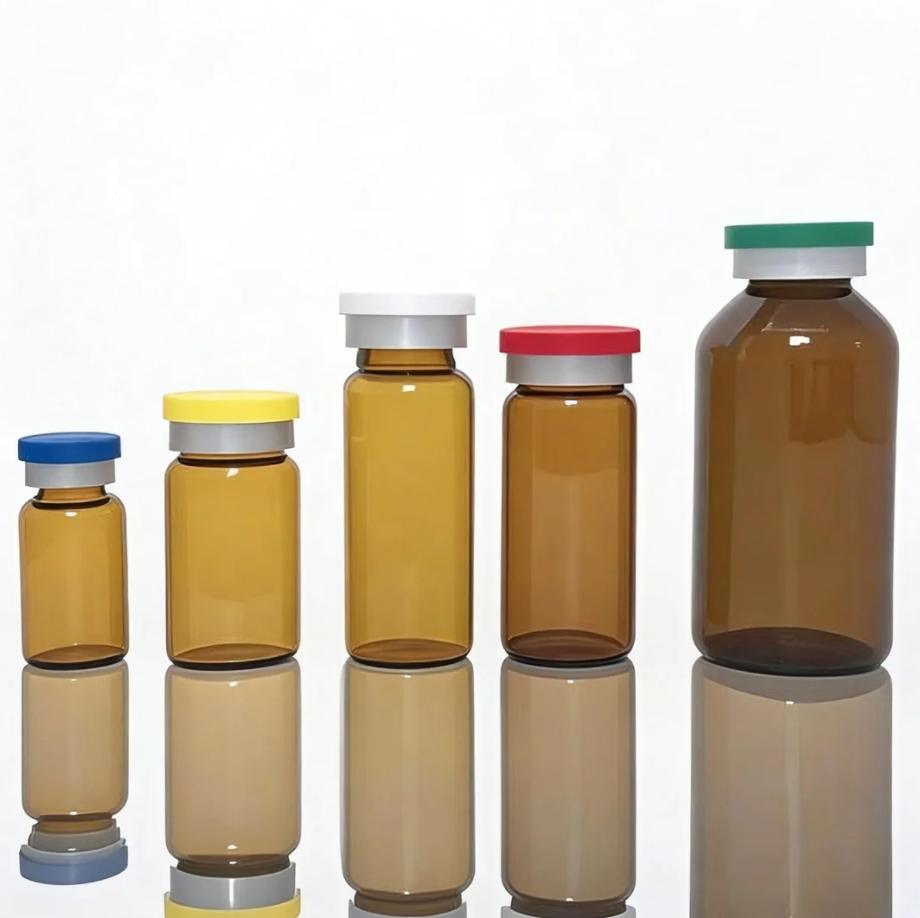
В эпоху Индустрии 4.0 фармацевтические упаковочные линии превратились в высокоскоростные, полностью автоматизированные экосистемы. Хотя эти усовершенствования значительно повышают производительность, они также уменьшают возможность ошибки в отношении физических размеров первичной упаковки. Одним из наиболее важных, но часто упускаемых из виду параметров является Отклонение вертикальной оси.
Для производителей чрезмерное отклонение - это не просто технический нюанс; это основной фактор незапланированных простоев и механических отказов. Чжэнчжоу ФарГласс Компания решает эту проблему, внедряя строгий геометрический контроль, гарантируя, что каждый флакон и ампула легко интегрируются в сложное оборудование для розлива и укупорки.
Понимание отклонения вертикальной оси в стеклянной упаковке
Отклонение от вертикальной оси, часто называемое “наклоном” или “биением”, измеряет степень отклонения центра горлышка флакона от вертикальной оси, перпендикулярной основанию. В идеальном контейнере эта величина равна нулю. Однако в процессе высокотемпературной формовки трубчатого стекла могут возникать незначительные отклонения.
Если это отклонение превышает допуск автоматических захватов или наполнительных игл, последствия наступают незамедлительно:
- Удары иглой: Заправочная игла ударяет по ободку бокала, а не входит в горлышко.
- Ошибки укупорки: Алюминиевые колпачки или резиновые пробки накладываются под углом, что нарушает стерильность.
- Конвейерные заторы: Опрокинутые бутылки могут упасть или “расколоться” на высокоскоростных ремнях.
Стандарт PharGlass: Создание почти идеального выравнивания
Оказывать поддержку мировым фармацевтическим лидерам, Чжэнчжоу ФарГласс установила внутренние стандарты, которые превосходят стандартные отраслевые ожидания.
1. Предел в 1,2 мм: обеспечение точности иглы
В соответствии с нашими техническими характеристиками, PharGlass поддерживает отклонение от вертикальной оси менее 1,2 мм. Такая точность жизненно важна для высокоскоростных линий розлива, где иглы перемещаются с интервалом в миллисекунды. Обеспечивая центрирование горловины в этих жестких пределах, мы устраняем риск контакта иглы со стеклом, предотвращая загрязнение партии стеклянными частицами и защищая дорогостоящие платиновые компоненты наполнения.
2. Дополнительный контроль высоты (±0,4 мм)
Одной вертикальности недостаточно, она должна сочетаться с постоянной высотой. PharGlass контролирует допуск по высоте в пределах ±0,4 мм. Такой подход с двойной точностью обеспечивает постоянство “зоны удара” для автоматизированного оборудования. Когда высота и вертикальность стабилизированы, укупорочные головки могут оказывать равномерное давление вниз, обеспечивая герметичность 100% без разрушения буртика флакона.
3. Структурная симметрия и внутренние напряжения (≤ 400 нм/мм)
Флакон, выровненный по вертикали, но структурно напряженный, все равно выйдет из строя под действием механической нагрузки. PharGlass гарантирует, что внутреннее напряжение контролируется ниже 400 нм/мм. Этот процесс отжига гарантирует, что стекло обладает механической “прочностью”, позволяющей выдерживать быстрые движения автоматических сортировщиков и звездочек без образования трещин под напряжением.
Руководство по выбору: Оптимизация линии для нулевого простоя
При выборе стеклянной тары для автоматизированного производства инженерные группы должны оценить следующее PharGlass технические маркеры:
- Для парентеральных препаратов малого объема (1 мл-10 мл): Отклонение от вертикальной оси еще более критично из-за узкого диаметра горловины. PharGlass Трубчатые флаконы предпочтительнее формованных стеклянных для этих целей, поскольку процесс изготовления трубок по своей природе обеспечивает лучшую концентричность.
- Для высокоскоростных линий подачи оральных жидкостей: Даже для неинъекционных продуктов стабильность является ключевым фактором. Наш сайт Флаконы для оральных жидкостей типа A и B Используйте один и тот же стандарт отклонения 1,2 мм для предотвращения столкновений бутылок на линии.
- Испытания на совместимость: Мы рекомендуем командам, занимающимся закупками, запрашивать отчеты по “калибру разъемов” и “вертикальности”. PharGlass обеспечивает полную документацию для каждой партии, что облегчает валидацию (IQ/OQ) вашего разливочного оборудования.
Обеспечение качества: Лабораторный фактор
На сайте Чжэнчжоу ФарГласс, Мы не просто обещаем точность, мы ее измеряем. В нашей лаборатории контроля качества используются высокоточные измерительные проекторы и автоматические системы контроля для мониторинга каждой партии продукции. Выявляя и отбраковывая все изделия, которые выходят за рамки Ограничение по оси 1,2 мм, Мы гарантируем, что наши клиенты получат продукт, готовый к использованию в самых современных производственных комплексах по принципу “подключи и работай”.
Заключение: Точность как конкурентное преимущество
В фармацевтическом производстве B2B эффективность является главным показателем. Каждая минута простоя из-за неправильно выставленного флакона - это упущенная выгода и потенциальные сбои в цепочке поставок. Выбирая Чжэнчжоу ФарГласс, Производители инвестируют в продукт, который Управление отклонением вертикальной оси рассматривается как основное инженерное требование, а не как нечто второстепенное.
Наше обязательство Точность высоты ±0,4 мм и Выравнивание 1,2 мм обеспечивает техническую основу для будущего “нулевого простоя”, гарантируя, что ваше производство будет идти по плану, а лекарства дойдут до пациентов, которые в них нуждаются.

 RU
RU  EN
EN  FR
FR  AR
AR  DE
DE  ES
ES  PT
PT  FA
FA