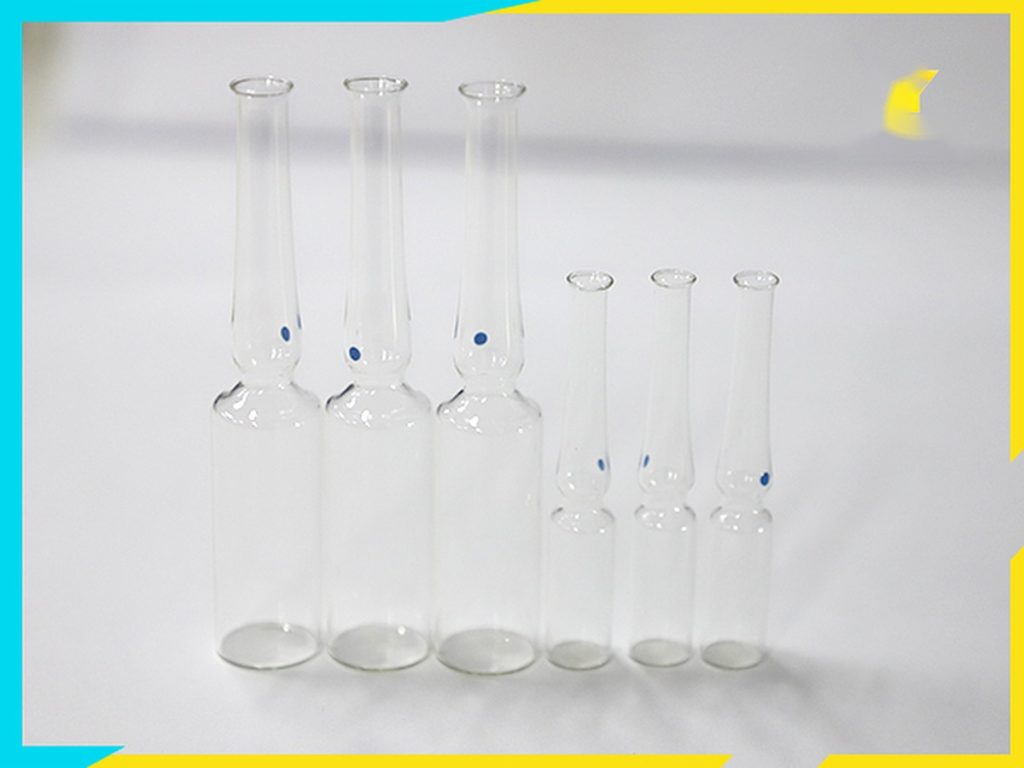
How to Inspect Glass Ampoules for Defects
A practical guide to the common glass ampoule defects — stones, bubbles, scratches, cracks and dimensional deviation — and how to inspect for them.

A practical guide to the common glass ampoule defects — stones, bubbles, scratches, cracks and dimensional deviation — and how to inspect for them.
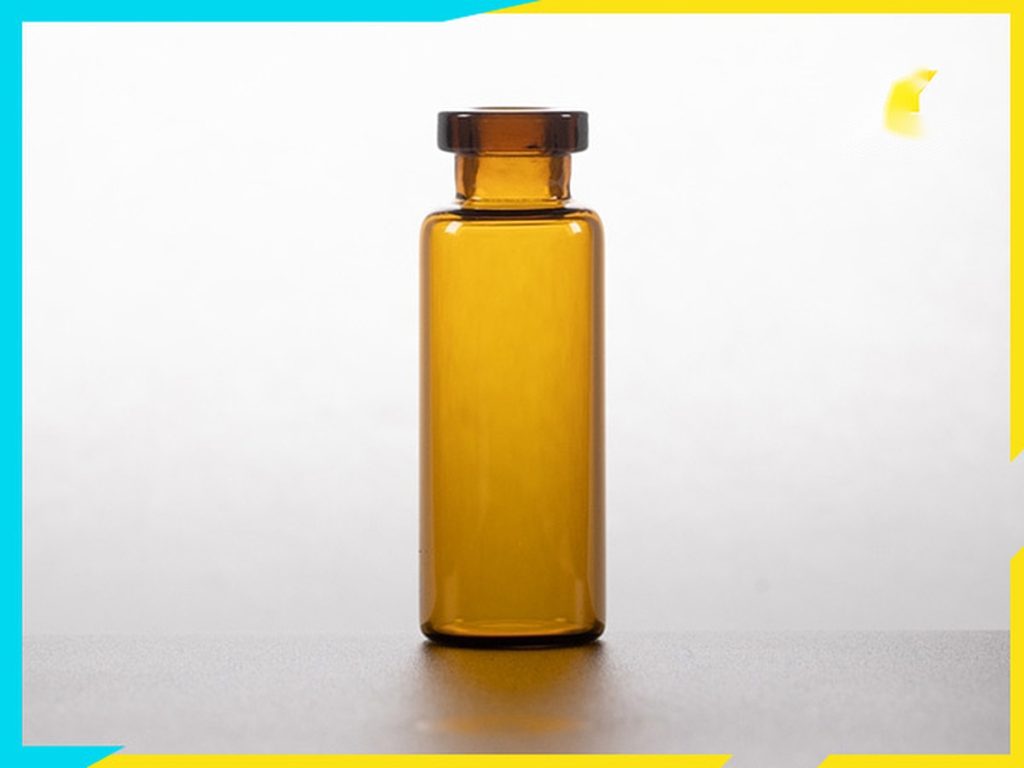
Crimp neck and screw neck oral liquid bottles take different closures, liners and droppers. Compare sealing, tamper evidence and filling-line implications.
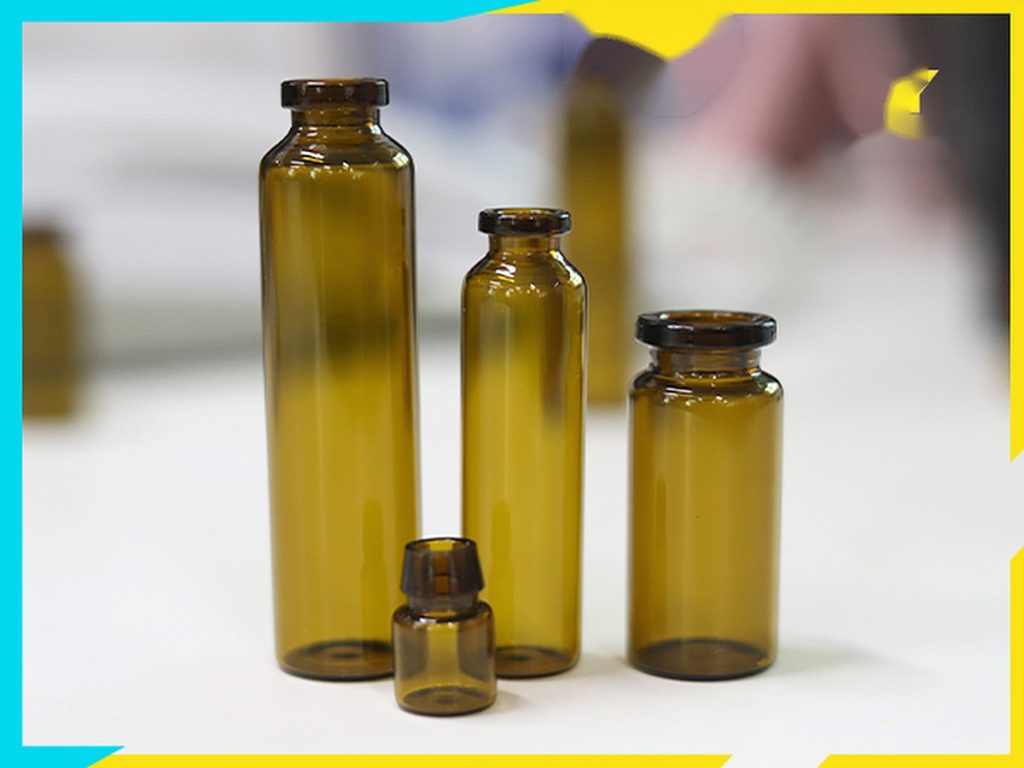
High-temperature and low-temperature ceramic inks behave differently on glass bottles. Compare durability, colour, cost and sterilization resistance before choosing.
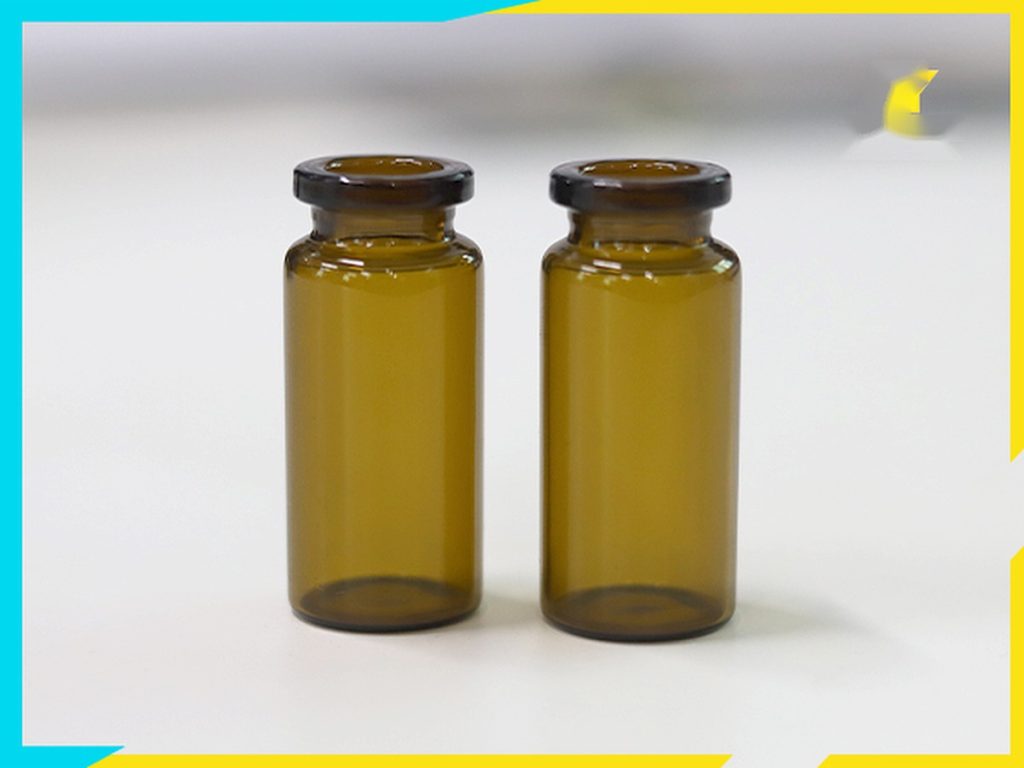
Tubular and moulded glass bottles differ in capacity range, wall uniformity, tooling cost and minimum order. Compare both before specifying oral liquid packaging.
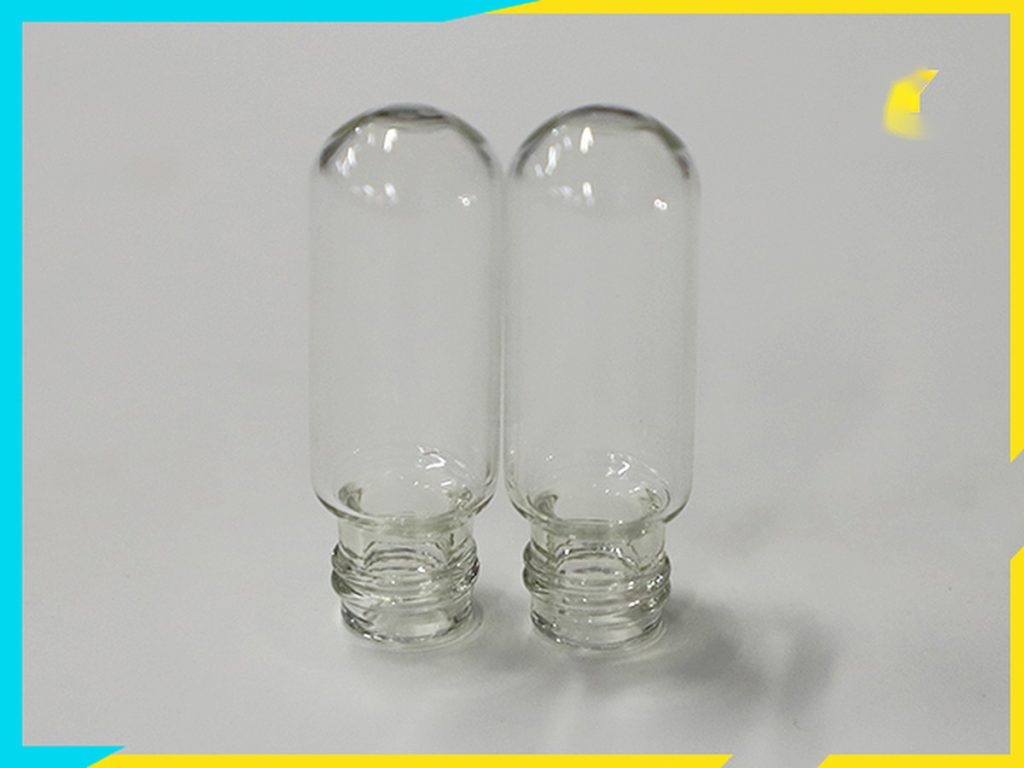
A practical guide to pharmaceutical glass vial sizes from 2R to 50R, including nominal capacity, overflow volume, neck finish and typical applications.
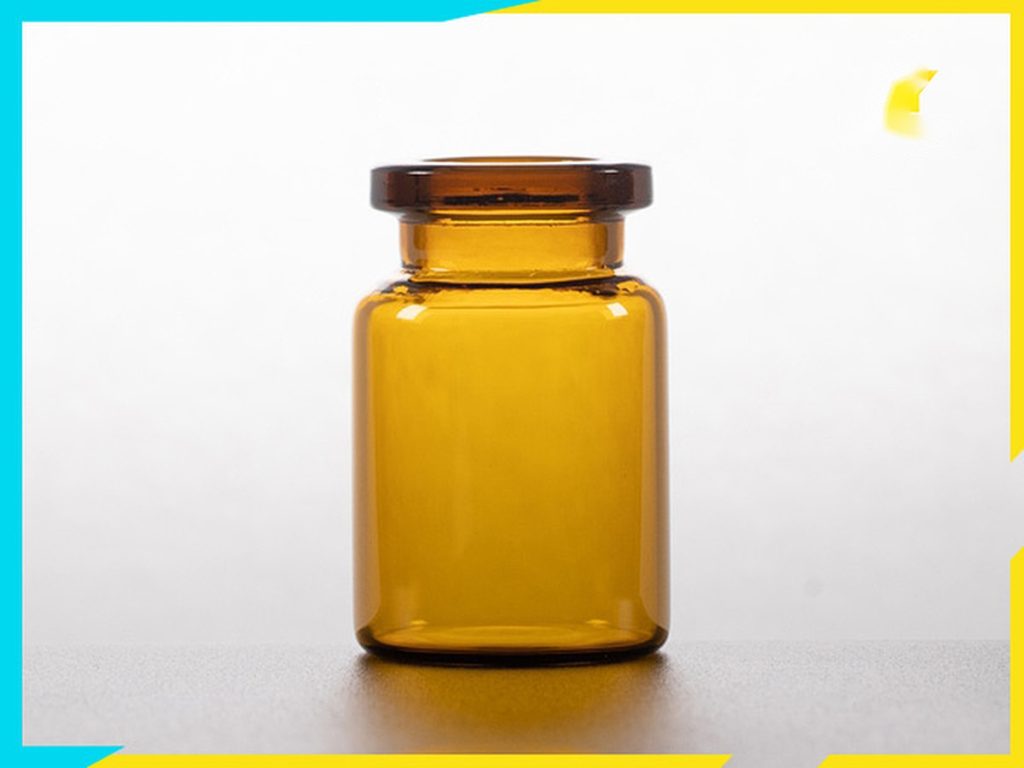
Butyl rubber stoppers and aluminium flip-off seals for vaccine vials, matched to 13 mm and 20 mm Type I borosilicate vials.
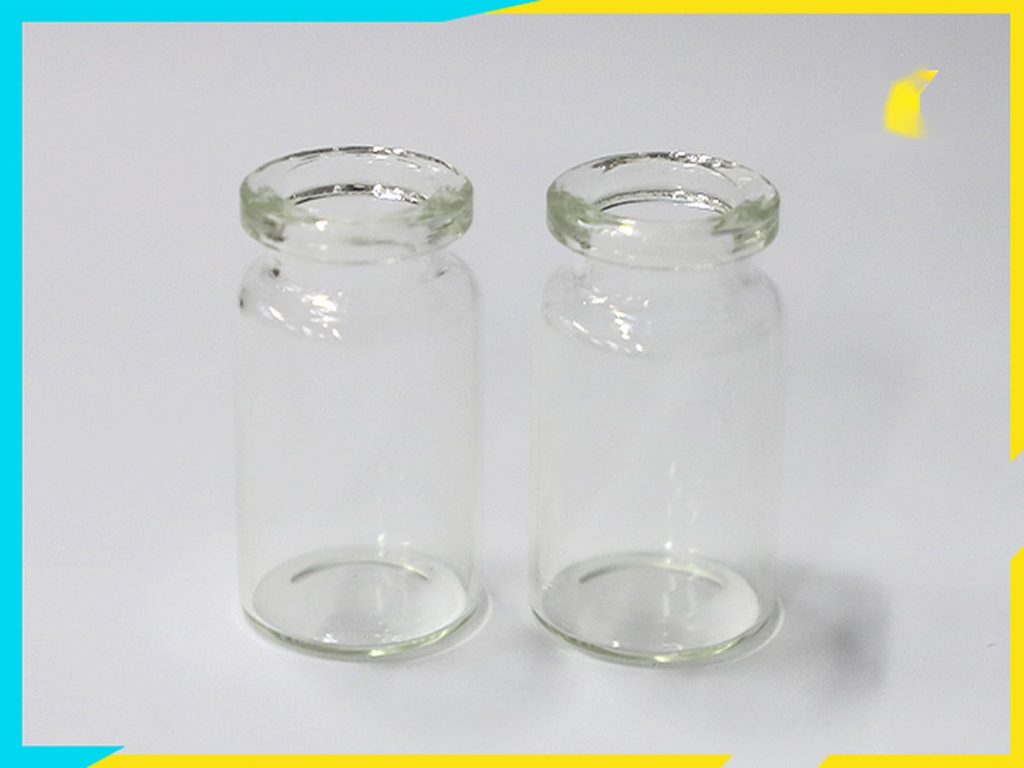
Freeze-dried glass vials, 2R to 50R, Type I borosilicate, for lyophilized injectables. Vented and double-chamber stoppers, USP/EP/YBB compliant.
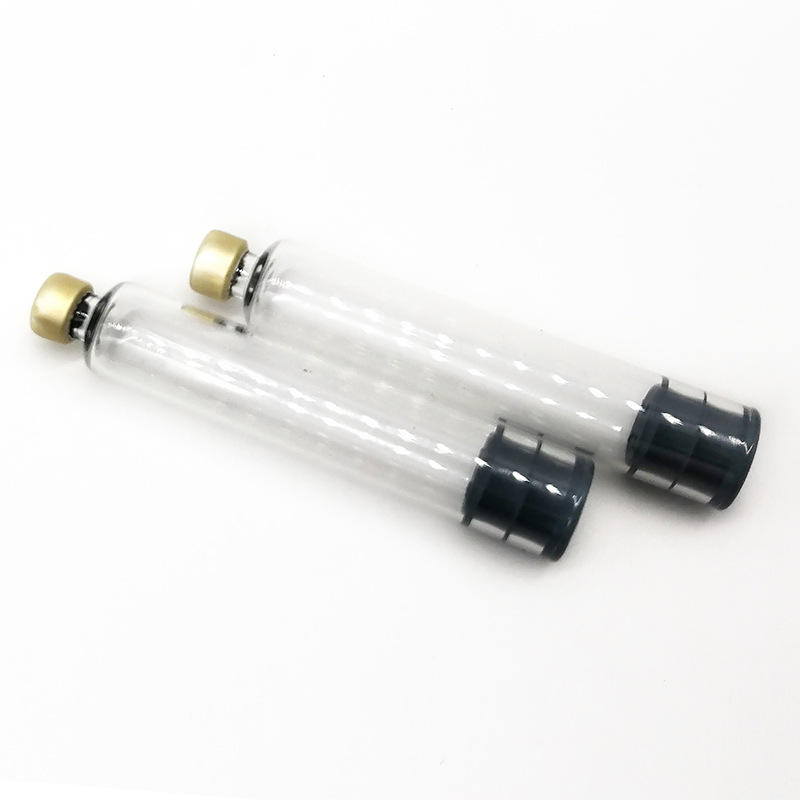
Plungers, seals, aluminium caps and accessories for prefillable glass cartridges, matched to 1.5ml to 5ml Type I cartridges.
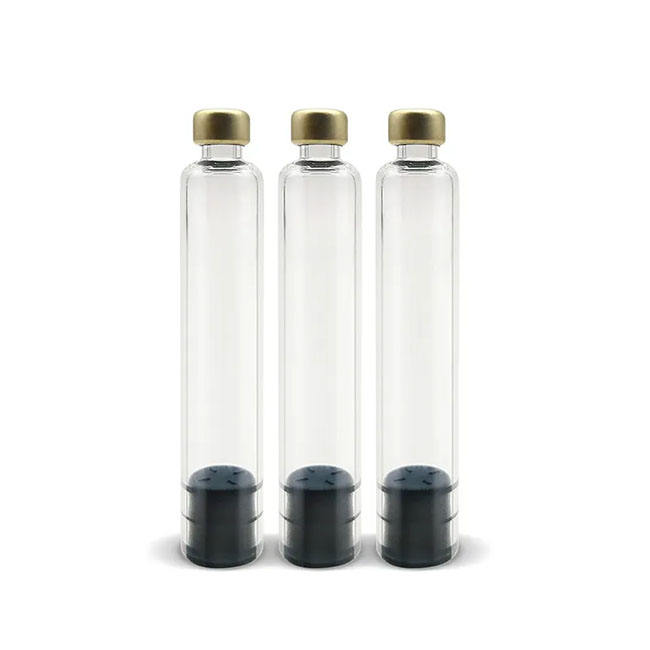
3 ml prefillable Type I borosilicate glass cartridges for biologics, vaccines and high-value injectables. Luer lock and screw neck, ISO dimensions.
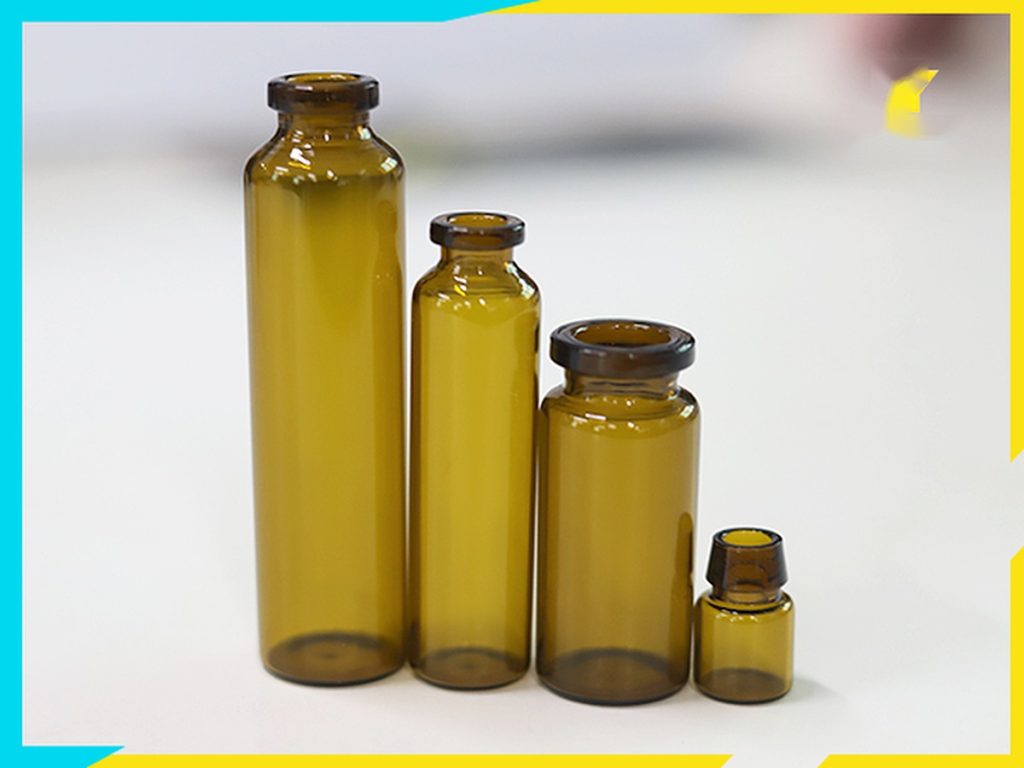
A practical guide to oral liquid bottle sizes from 10 ml to 500 ml, with neck finishes, glass grades and closure options for syrups and suspensions.
 AR
 EN
 FR
 DE
 ES
 PT
 FA
 RU