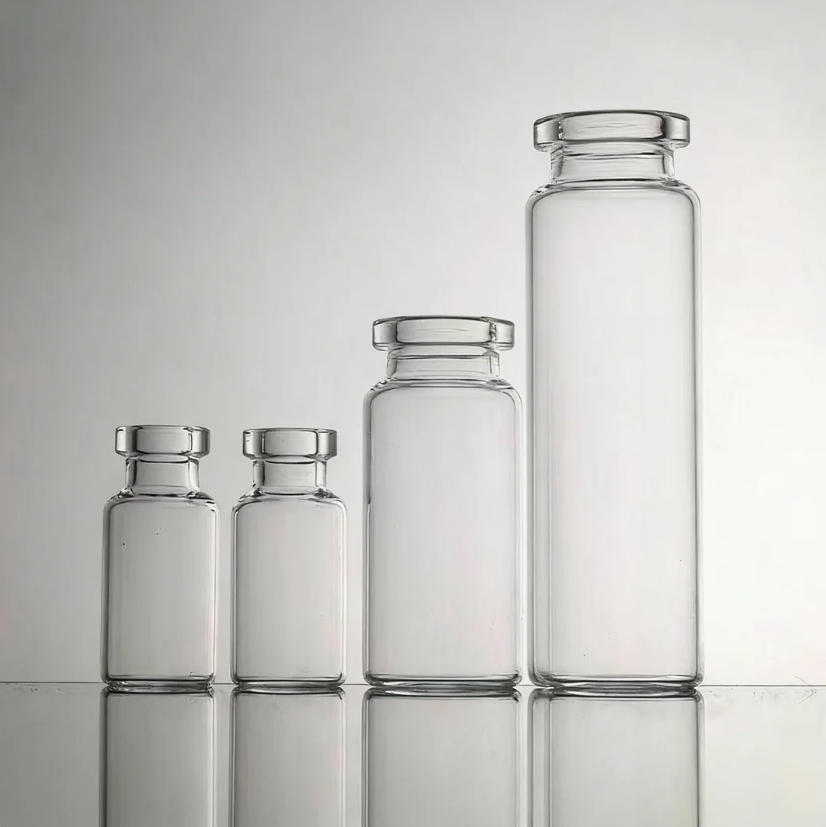
In the realm of pharmaceutical manufacturing, particularly for injectable drugs and biologics, the concept of “pyrogenicity” is a critical parameter that can make the difference between a life-saving treatment and a dangerous adverse reaction. Pyrogen-free glass vials represent a cornerstone of modern aseptic packaging technology, designed to meet the most stringent safety and quality standards in the industry. These specialized containers are indispensable for ensuring the efficacy and safety of medications administered directly into the bloodstream or tissues.
Understanding Pyrogens and the Necessity of Pyrogen-Free Packaging
To appreciate the importance of pyrogen-free vials, one must first understand what pyrogens are. Pyrogens are substances, typically originating from bacteria (such as endotoxins), that can cause fever when introduced into the human body. Even minute traces of pyrogens in a drug product can trigger severe inflammatory responses, making their complete elimination a top priority for pharmaceutical companies.
Pyrogen-free glass vials are specifically engineered and processed to ensure they contain no detectable levels of these harmful substances. This is achieved through rigorous manufacturing controls and specialized cleaning processes, such as ultrafiltration or extended high-temperature baking, which effectively remove any potential pyrogenic contaminants. The absence of pyrogens is not just a feature but a non-negotiable requirement for any container intended for sensitive drug formulations.
Key Technical Advantages of Pyrogen-Free Glass Vials
The production of pyrogen-free vials involves adhering to strict protocols that guarantee both the physical and chemical integrity of the glass. Here are the primary advantages that make them the ideal choice for pharmaceutical applications:
- Amélioration de la sécurité des patients : The foremost advantage is the effective prevention of pyrogen introduction into the drug product. By using pyrogen-free vials, manufacturers significantly reduce the risk of febrile reactions or sepsis in patients. This is especially crucial for immunocompromised individuals or those receiving high-dose therapies where even minor impurities can have catastrophic consequences.
- Exceptional Chemical Stability: Manufactured from high-quality borosilicate or soda-lime glass, these vials exhibit excellent chemical inertness. They do not react with the active pharmaceutical ingredients (APIs) or excipients, ensuring that the drug’s chemical composition remains stable throughout its shelf life. This stability is vital for maintaining the potency and therapeutic effect of the medication.
- Superior Sealing Integrity: The vials are designed with precision-machined finishes to accommodate various types of closures, including rubber stoppers and aluminum caps. This creates a hermetic seal that protects the contents from external microbial contamination and moisture ingress. The robust sealing mechanism is essential for preserving the aseptic environment required for injectables.
- High Transparency for Visual Inspection: Pharmaceutical regulations mandate thorough visual inspection of every unit for particulates, discoloration, or container defects. Pyrogen-free glass vials offer exceptional clarity and transparency, allowing for easy and accurate visual assessment of the drug product. This facilitates automated inspection systems and manual quality control checks, thereby enhancing overall product safety.
Primary Applications in the Pharmaceutical Industry
Given their unique properties, pyrogen-free glass vials are predominantly used in the pharmaceutical industry for packaging products where sterility and purity are non-negotiable:
- Injectable Formulations: These vials are the standard for parenteral solutions, including intravenous (IV) fluids, intramuscular injections, and subcutaneous treatments. The absence of pyrogens is critical here, as these routes bypass the body’s natural filtration systems.
- Biologics and Vaccines: Biologics, such as monoclonal antibodies, vaccines, and gene therapies, are highly sensitive to contamination. Pyrogen-free vials provide the necessary protection to maintain the integrity and efficacy of these complex biological molecules.
- Highly Potent Drugs: For drugs with narrow therapeutic windows, any impurity can lead to toxicity. Using pyrogen-free packaging ensures that the only active ingredient interacting with the patient is the intended therapeutic agent.
Conclusion: The Indispensable Role in Modern Pharma
In conclusion, pyrogen-free glass vials are far more than simple containers; they are a critical component of the drug delivery system that safeguards patient health. Their ability to prevent pyrogen contamination, combined with superior chemical stability, secure sealing, and high transparency, makes them the preferred choice for the most demanding pharmaceutical applications. As the industry continues to advance towards more complex and sensitive therapeutics, the role of pyrogen-free vials will remain central to ensuring the safety, efficacy, and quality of global healthcare products. Adhering to these standards is not just about compliance—it is about upholding the trust placed in pharmaceutical manufacturers by patients and healthcare providers worldwide.
 FR
FR  EN
EN  AR
AR  DE
DE  ES
ES  PT
PT  FA
FA  RU
RU