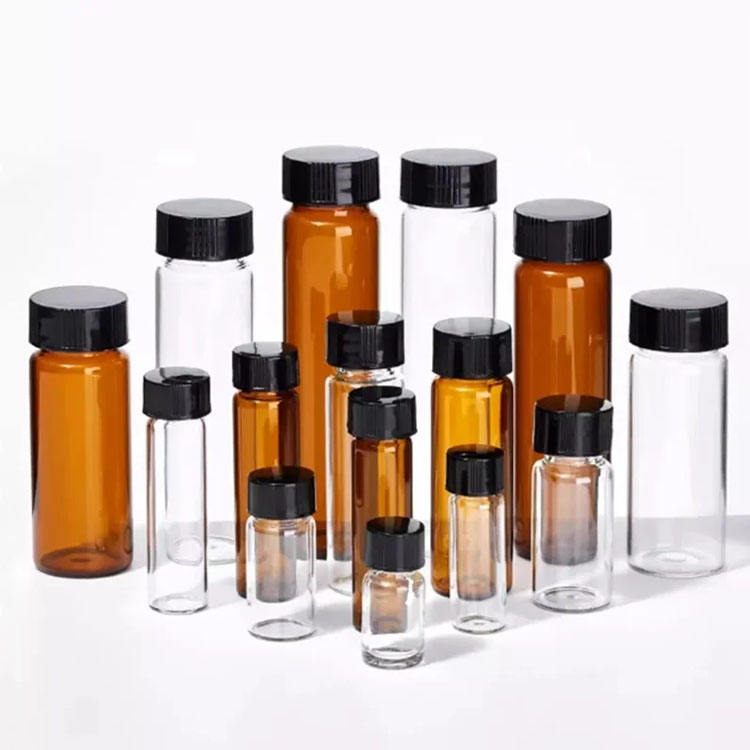
In modern pharmaceutical manufacturing, sterile vials serve as an indispensable packaging solution for preserving the integrity, safety, and efficacy of sterile drugs—including injectables, lyophilized powders, and biologics. As a professional supplier of high – end pharmaceutical packaging materials, PharGlass is at the forefront of delivering premium – quality sterile vials (along with rubber stoppers and aluminum – plastic caps) to global pharmaceutical manufacturers. With OEM/ODM support, rigorous quality control, and reliable delivery, PharGlass ensures that every sterile vial meets the stringent demands of the pharmaceutical industry.
1. The Critical Role of Sterile Vials in Pharmaceutical Packaging
Sterile vials are the backbone of sterile drug storage and transportation. Unlike non – sterile containers, they are engineered to eliminate microbial contamination risks during production, transit, and use. For example, injectable drugs (such as vaccines, monoclonal antibodies, and chemotherapy agents) require a completely sterile environment to prevent infections. Lyophilized powder formulations, which are often reconstituted before use, also rely on sterile vials to maintain their potency until administration.
PharGlass recognizes that the design and production of sterile vials must strictly adhere to Good Manufacturing Practice (GMP) and international pharmacopeial standards (e.g., USP <71>, EP 2.6.1, and Chinese Pharmacopoeia). This commitment ensures that our sterile vials consistently safeguard drug quality across global markets.
2. Core Production Technologies for Sterile Vials
The manufacturing of sterile vials is a highly specialized process that combines material science, microbiology, and automation. Here’s how PharGlass produces top – tier sterile vials:
2.1 Material Selection and Pre – treatment
Sterile vials are typically made from glass (borosilicate glass for its thermal resistance and chemical inertness) or high – grade plastic (e.g., cyclic olefin polymer, COP, for enhanced durability). At PharGlass, we source materials from certified suppliers to ensure purity. Before vial formation, the raw materials undergo high – temperature sterilization (e.g., 600°C+ for glass annealing) to eliminate potential microbial contaminants. This step is critical, as even trace amounts of bacteria or fungi can compromise drug sterility.
2.2 Aseptic Filling and Sealing
After pre – treatment, vials enter a cleanroom environment (typically ISO Class 5 or better) for filling and sealing. PharGlass utilizes advanced isolators or laminar flow workstations to create a sterile microenvironment. In some of our state – of – the – art production lines, robotics and automated systems handle vial handling, filling, and capping. For instance, robotic arms precisely dispense drug formulations into vials, minimizing human contact and reducing contamination risks. This automation aligns with industry trends toward “smart manufacturing” in pharmaceuticals, as noted in a 2024 report by Tecnologia farmacêutica, which highlights how automation improves consistency and reduces human error in sterile packaging.
2.3 Closure System: Rubber Stoppers and Aluminum – Plastic Caps
The closure of a sterile vial is as vital as the vial itself. PharGlass uses pharmaceutical – grade rubber stoppers (tested for chemical compatibility, extractables, and leachables) and aluminum – plastic caps for a secure seal. The rubber stopper must not react with the drug (e.g., no leaching of rubber additives into the formulation) and must maintain integrity under various storage conditions (temperature, humidity, and pressure changes). Our stoppers undergo rigorous chemical compatibility testing (per USP <87> and <88>) to ensure patient safety. The aluminum – plastic cap provides an additional barrier against external contaminants and physical damage.
3. Design Considerations for Sterile Vials: Tailored to Drug Properties
Sterile vials are not “one – size – fits – all”—their design is customized to the specific needs of the drug:
3.1 Light Protection
For drugs sensitive to light (e.g., certain antibiotics, vitamins, and photolabile biologics), PharGlass offers amber glass vials or UV – blocking plastic vials (with added light – shielding agents). These vials effectively block ultraviolet (UV) and visible light, preventing photodegradation. For example, a 2023 study in Jornal de Ciências Farmacêuticasshowed that amber glass vials reduced photodegradation of a model photosensitive drug by 90% compared to clear glass.
3.2 Dimensional Precision and Compatibility
Sterile vials must be compatible with filling machines, capping equipment, and downstream processes (e.g., labeling, serialization). PharGlass designs vials with precision – formed necks and shoulders to ensure consistent fit with stoppers and caps. This dimensional accuracy minimizes issues like leakage, misalignment, or incomplete sealing during automated production.
3.3 Seal Integrity and Shelf Life
The seal between the vial, stopper, and cap is critical for maintaining sterility over the drug’s shelf life. PharGlass employs advanced sealing technologies (e.g., compression – fit, crimp – seal, or tear – off band designs) and conducts accelerated aging tests (per ICH Q1A(R2)) to validate seal integrity over time. Our vials are designed to withstand temperature fluctuations, transportation stress, and long – term storage without compromising sterility.
4. Quality Control: Ensuring Sterile Vial Reliability
In pharmaceutical quality control, sterile vial integrity testing is a non – negotiable step. PharGlass implements a multi – layer testing protocol:
4.1 Container Closure Integrity (CCI) Testing
Using pressure decay testers or vacuum decay systems, we verify that the vial’s seal prevents microbial ingress and maintains sterility. For example, a vacuum decay test applies a vacuum to the vial and monitors for pressure changes, indicating leaks. This method is compliant with USP <1207> and is widely recognized as a reliable CCI testing technique.
4.2 Visible Particulates Inspection
High – resolution cameras and AI – powered image recognition systems inspect vials for visible particles (e.g., glass shards, fibers, or foreign matter). This automated inspection (similar to the technology used by leading pharma companies like Pfizer and Roche, as reported in Packaging World) ensures that each vial is free of contaminants that could affect drug purity or patient safety.
4.3 Microbial and Endotoxin Testing
Beyond physical inspections, PharGlass conducts microbial limits testing (per USP <61>) and endotoxin testing (per USP <85>) to confirm that vials meet sterility requirements. These tests are performed in certified labs, ensuring compliance with global pharmacopeias.
5. PharGlass: Your Trusted Partner in Sterile Vial Solutions
As a professional supplier of pharmaceutical packaging materials, PharGlass stands out with:
- Suporte a OEM/ODM: Customize sterile vial design, size, color, and closure systems to match your drug’s unique requirements.
- Conformidade global: Meet GMP, FDA, EMA, and other international regulatory standards.
- Quality Assurance: Rigorous in – house testing + third – party validation for every batch.
- Reliable Delivery: Streamlined supply chain to ensure on – time delivery, even for urgent orders.
6. Industry Trends and the Future of Sterile Vials
The pharmaceutical industry is evolving, and so are sterile vials. Trends like sustainable packaging (e.g., recyclable glass, bio – based plastics), smart vials (with RFID tags for traceability), and personalized medicine – tailored vials are shaping the future. PharGlass is committed to innovation, investing in R&D to develop next – generation sterile vials that meet these emerging needs. For example, our R&D team is exploring antimicrobial – coated vials to provide an extra layer of protection against microbial growth, a concept highlighted in a 2024 Frost & Sullivanreport on pharmaceutical packaging innovation.
Conclusão
Sterile vials are more than just packaging—they are a critical component of drug safety, efficacy, and stability. From material selection and aseptic production to precision design and rigorous quality control, every step in creating a sterile vial matters. As a leading supplier of pharmaceutical packaging materials, PharGlass leverages advanced technologies, strict quality standards, and customer – centric solutions to deliver sterile vials that meet the highest industry benchmarks. Whether you’re developing a new injectable drug, a lyophilized biologic, or a personalized medicine, PharGlass has the expertise and products to support your success in the global pharmaceutical market.
 PT
PT  EN
EN  FR
FR  AR
AR  DE
DE  ES
ES  FA
FA  RU
RU