
Introdução
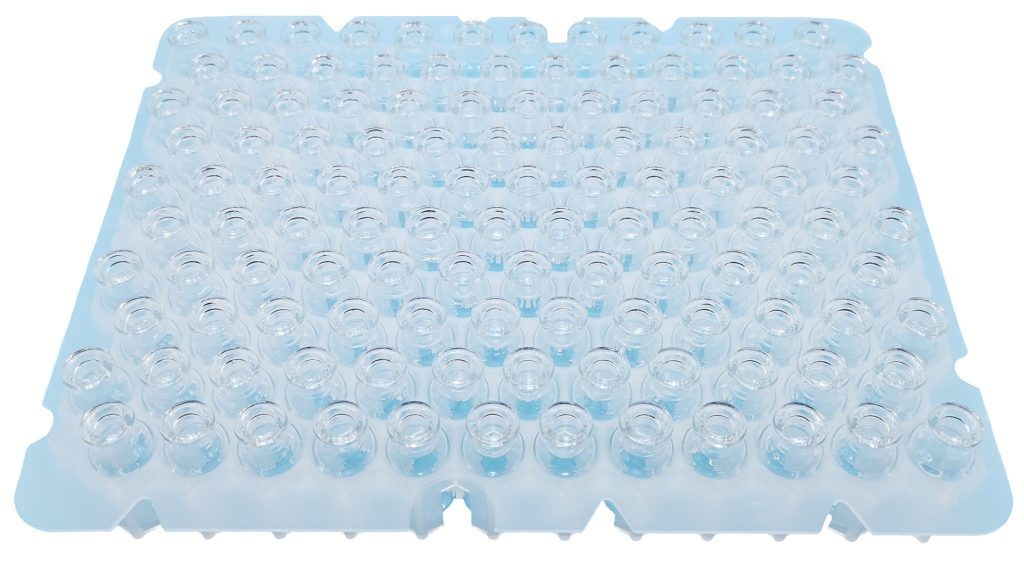
O frasco farmacêutico é um dos pilares fundamentais da administração moderna de medicamentos — um recipiente de vidro aparentemente simples que deve manter esterilidade absoluta ao longo de todo o seu ciclo de vida. No entanto, essa barreira estéril não depende apenas do frasco em si, mas do desempenho harmonioso de um sistema tripartido: o corpo do frasco de vidro, a rolha de elastômero e a tampa de alumínio que sela todo o conjunto, formando uma vedação integral. Para os fabricantes de frascos farmacêuticos estéreis para injeção, compreender a resistência à esterilização das tampas de alumínio não é apenas uma verificação de qualidade — é uma exigência regulatória que determina diretamente a segurança do paciente.
Como fornecedor especializado em embalagens farmacêuticas primárias de última geração, Zhengzhou PharGlass fornece frascos de vidro esterilizados de alta qualidade, rolhas de borracha prontas para uso (RTU) e tampas de alumínio e plástico pré-esterilizadas, desenvolvidas sob medida para fabricantes farmacêuticos globais. Este artigo técnico examina os fundamentos científicos, os marcos regulatórios e as metodologias práticas dos testes de resistência à esterilização de tampas de alumínio — um atributo crítico de qualidade que garante que os frascos farmacêuticos mantenham a integridade do fechamento do recipiente (CCI) após a exposição a processos de esterilização terminal.
Por que os testes de resistência à esterilização são importantes para frascos farmacêuticos
A configuração mais comum do sistema de fechamento de recipientes (CCS) para medicamentos parenterais é o frasco farmacêutico de vidro selado com uma rolha de borracha e uma tampa de alumínio com borda frisada. Durante a fabricação, os frascos cheios devem passar por uma esterilização terminal — normalmente esterilização com vapor saturado em condições como 121 °C por 15 a 30 minutos — para eliminar qualquer possível contaminação microbiana. A tampa de alumínio deve suportar esse rigoroso estresse térmico e de pressão sem comprometer sua função mecânica ou a integridade da vedação.
O Anexo 1 das BPF da UE afirma explicitamente que um frasco enchido assepticamente não é considerado totalmente fechado até que a tampa de alumínio tenha sido crimpada sobre o frasco com o tampão. Essa posição regulatória ressalta o papel indispensável da tampa: sem ela, o tampão pode estar encaixado no frasco, mas o sistema não fica vedado. A função da tampa é fundamentalmente mecânica — a crimpagem deforma a saia de alumínio sob o acabamento do gargalo do frasco e prende a flange da rolha, mantendo a compressão da rolha ao longo do tempo.
Se uma tampa de alumínio não resistir ao processo de esterilização, as consequências podem ser catastróficas: esterilidade comprometida, levando ao recall do produto, contaminação microbiana, risco de infecção para o paciente e prejuízos financeiros e de reputação significativos para o fabricante do medicamento.
Parâmetros-chave de teste para tampas de alumínio esterilizadas
Os testes abrangentes de resistência à esterilização para tampas de alumínio de frascos farmacêuticos abrangem múltiplas dimensões de desempenho. Normas internacionais, como a ISO 8872:2022, especificam requisitos gerais e métodos de ensaio para tampas de alumínio e tampas de alumínio/plástico destinadas a frascos de infusão e frascos para injeção, incluindo requisitos mecânicos detalhados após a esterilização. Os principais parâmetros incluem:
Força de abertura e força de arrancamento
A força de abertura de uma tampa de alumínio deve estar dentro de um intervalo especificado após a esterilização — nem muito baixa (risco de abertura acidental durante o transporte e o armazenamento) nem muito alta (equipe clínica incapaz de abrir o frasco no local de uso). A norma ISO 8872:2022 prescreve métodos de ensaio específicos para medir as forças de abertura e de arrancamento tanto para tampas exclusivamente de alumínio quanto para tampas de alumínio/plástico, com disposições normativas específicas que exigem a medição após os ciclos de esterilização. Os critérios típicos de aceitação para frascos farmacêuticos geralmente exigem forças de abertura na faixa de 15 a 50 N, equilibrando a conveniência do usuário com a segurança da vedação.
Integridade da vedação do recipiente (CCI) após a esterilização
A rolha fornece a interface de vedação, mas a tampa de alumínio mantém as forças que garantem a estanqueidade dessa interface. Os testes CCI avaliam se a combinação rolha-tampa-frasco mantém uma barreira estéril eficaz após a esterilização. Métodos determinísticos, como a queda de vácuo (limite de detecção de até 10⁻³ mbar·L/s) e a detecção de vazamento de hélio (sensibilidade de 10⁻⁹ mbar·L/s), são preferidos pelos órgãos reguladores em detrimento de métodos probabilísticos tradicionais, como a penetração de corante, pois fornecem resultados quantitativos e não destrutivos. A norma USP fornece a estrutura para a avaliação da integridade da embalagem, distinguindo entre componentes da embalagem primária (frasco, rolha) e componentes secundários (tampa de alumínio), que são essenciais para garantir a montagem correta da embalagem.
Resistência à abertura prematura e à deformação
A norma ISO 8872:2022 inclui explicitamente métodos de ensaio para abertura prematura e deformação após ciclos de esterilização. Após a exposição a temperaturas e pressões elevadas, as tampas de alumínio devem manter sua integridade dimensional — sem rachaduras, fissuras ou deformações irreversíveis que possam comprometer a força de crimpagem na rolha. Isso é avaliado por meio de inspeção visual sob iluminação controlada, frequentemente complementada por exame microscópico da borda crimpada.
Estabilidade do revestimento em alumínio
Muitas tampas de alumínio possuem revestimentos protetores. A norma ISO 8872:2022 exige a realização de testes de estabilidade dos revestimentos após a esterilização, uma vez que o estresse térmico e hidrolítico pode causar delaminação, formação de bolhas ou descoloração. A falha no revestimento pode não comprometer diretamente a esterilidade, mas pode liberar partículas no ambiente de fabricação farmacêutica ou afetar o processo de inspeção visual.
Força residual de vedação (RSF)
A medição da força de vedação residual (RSF) surgiu como uma ferramenta poderosa para caracterizar o processo de tamponamento, independentemente do equipamento específico de tamponamento ou do projeto do CCS. A RSF mede a força de compressão que a tampa de crimpagem exerce sobre a rolha, fornecendo um indicador quantitativo da estanqueidade da vedação. Materiais de treinamento do setor descrevem o teste de RSF como um método para estabelecer uma faixa aceitável de RSF para uma determinada combinação de frasco farmacêutico e rolha.
Equipamentos de teste e requisitos metodológicos
A realização de testes precisos de resistência à esterilização requer um conjunto de instrumentos especializados:
Esterilizadores a vapor (autoclaves) deve manter um controle preciso da temperatura e da pressão — normalmente 121 ± 1 °C, com aquecimento rápido em 2 a 5 minutos e tempo adequado para atingir o equilíbrio. A autoclave deve acomodar os recipientes de teste acima do nível da água para garantir a exposição ao vapor saturado.
Máquinas de ensaio universal (testadores de materiais) Os instrumentos equipados com sensores de força e transdutores de deslocamento de alta precisão devem estar em conformidade com os requisitos de calibração da norma ISO 7500-1. Esses instrumentos medem a força de abertura, a força de rasgo e a resistência à perfuração, com resolução normalmente dentro de ±0,5% da leitura.
Testadores de integridade de tampas de recipientes aplicar diversos métodos, incluindo decaimento a vácuo (ASTM F2338), detecção de vazamentos por alta tensão e espectrometria de massa de hélio. A escolha do método depende do tipo de recipiente, do estado de enchimento (líquido ou liofilizado) e da sensibilidade de detecção necessária.
Ferramentas de medição de dimensões—paquímetros, projetores ópticos ou sistemas de visão automatizados—verificam as dimensões das tampas antes e depois da esterilização. A norma DIN EN ISO 8362-2:2024 exige a conformidade com as normas ISO 3302 para equipamentos de medição dimensional.
Todos os instrumentos devem passar por calibração metrológica e qualificação regulares para garantir a rastreabilidade e a reprodutibilidade dos dados, bem como a conformidade regulatória.
Normas regulatórias que regem as tampas de alumínio para frascos farmacêuticos
Um sistema robusto de gestão da qualidade para tampas de alumínio de frascos farmacêuticos deve estar em conformidade com diversas normas internacionais:
ISO 8872:2022 – Tampas de alumínio e tampas de alumínio/plástico para frascos de infusão e frascos para injeção – Requisitos gerais e métodos de ensaio
Série ISO 8362 – Recipientes para injeção e acessórios, incluindo tampas de alumínio (Parte 3), tampas feitas de combinações de alumínio e plástico para frascos de injeção (Parte 6) e tampas para frascos de injeção (Parte 2:2024)
USP – Tampões elastoméricos para injeções, abordando características físico-químicas de extração, compatibilidade biológica e requisitos de funcionalidade. O escopo revisado agora abrange todos os componentes elastoméricos em embalagens de produtos injetáveis e sistemas de administração
USP – Funcionalidade das vedações elastoméricas em embalagens e sistemas de administração de produtos farmacêuticos injetáveis, separando os testes funcionais da caracterização dos materiais e alinhando-se às normas ISO
USP – Avaliação da integridade da embalagem, oferecendo orientações abrangentes sobre estratégias de CCI, incluindo a seleção e validação de métodos determinísticos e probabilísticos
Relatório Técnico da PDA nº 27 – Integridade das embalagens farmacêuticas, oferecendo orientações sobre a avaliação das propriedades de barreira das embalagens farmacêuticas, com ênfase em produtos estéreis
Anexo 1 das BPF da UE – Exigir que as embalagens fechadas por métodos validados mantenham sua integridade durante todo o prazo de validade, com a crimpagem da tampa de alumínio completando o fechamento dos frascos enchidos assepticamente
Normas nacionais, como a série GB 5197 (Normas Nacionais Chinesas para tampas de frascos de vidro para infusão), também são relevantes, embora muitas tenham sido substituídas por normas ISO equivalentes.
Fluxo de trabalho de testes e critérios de aceitação
O fluxo de trabalho padrão para testes de resistência à esterilização segue um protocolo sistemático:
Preparação da amostra: Selecione aleatoriamente um número estatisticamente significativo de tampas de alumínio de um lote de produção (normalmente seguindo os planos de amostragem ANSI/ASQ Z1.4, com AQL de 0,65 para defeitos críticos). Monte as tampas com as rolhas de borracha correspondentes e os frascos farmacêuticos de vidro utilizando equipamentos de tamponamento validados.
Condicionamento pré-teste: Deixe as amostras montadas em equilíbrio à temperatura padrão (23 ± 2 °C) e umidade relativa (50 ± 5%) por um período não inferior a 24 horas.
Exposição à esterilização: Coloque as amostras preparadas na autoclave. Execute o ciclo de esterilização especificado — normalmente vapor saturado a 121 °C por 30 minutos, com rampa de aquecimento controlada (2 a 5 minutos para atingir a temperatura) e fase de resfriamento. Podem ser realizados vários ciclos para uma avaliação rigorosa.
Resfriamento e condicionamento pós-esterilização: Deixe as amostras esfriarem até a temperatura ambiente em um ambiente controlado antes do teste, evitando artefatos causados por choque térmico.
Testes físicos: Utilizando uma máquina de ensaio universal calibrada, meça a força de abertura aplicando uma tração ou torção controlada a velocidades especificadas (normalmente 100 mm/min para abertura por tração). Registre a força máxima e gere curvas de força-deslocamento.
Medição do CCI: Instale o conjunto frasco-tampão-tampa no testador CCI. Para o método de queda de vácuo, aplique o vácuo (normalmente -80 kPa ±5 kPa), monitore o aumento da pressão ao longo de um período definido (por exemplo, 30 minutos) e determine a taxa de vazamento.
Inspeção visual e dimensional: Examine cada tampa sob ampliação de 5× a 10× para verificar se há deformações, defeitos no revestimento, arranhões ou descoloração. Meça as dimensões críticas em relação às especificações, utilizando instrumentos calibrados.
Documentação e relatórios: Todos os parâmetros — detalhes do ciclo de esterilização, condições ambientais, registros de calibração dos instrumentos, dados brutos e identificação do operador — devem ser registrados. O relatório final do teste deve indicar claramente os critérios de aceitação aplicados, os valores reais medidos, a determinação de aprovação/reprovação para cada amostra e o resumo estatístico do lote.
Os critérios de aceitação são definidos por limites quantitativos explícitos:
- Força de abertura: na faixa de 15 a 50 N (ou conforme especificado nos requisitos do produto)
- Decaimento do vácuo CCI: taxa de vazamento ≤ 0,05 mbar·L/s
- Variações dimensionais: ≤ tolerâncias especificadas (normalmente dentro de ±0,1 mm)
- Defeitos visuais: zero defeitos críticos (rachaduras, deformação grave, falha total do revestimento)
Qualquer amostra que não atenda a qualquer parâmetro de teste implica na rejeição do lote.
Zhengzhou PharGlass: Compromisso com embalagens de frascos farmacêuticos resistentes à esterilização
Em Zhengzhou PharGlass, entendemos que a resistência à esterilização das tampas de alumínio não é apenas uma especificação técnica — é um compromisso com a segurança do paciente. Nossos sistemas de embalagem de frascos farmacêuticos são projetados desde o início para manter a CCI durante todos os processos de esterilização terminal. Nossos processos de fabricação de frascos de vidro estéreis, rolhas de borracha prontas para uso (RTU) e tampas de alumínio e plástico são validados para garantir um desempenho consistente entre os lotes de produção.
Colaboramos ativamente com organismos internacionais de normalização e mantemos nossos laboratórios de testes equipados com instrumentos calibrados de acordo com os requisitos da norma ISO/IEC 17025. Cada lote de tampas de alumínio é submetido a rigorosos testes de resistência à esterilização antes do envio, e nossos acordos de qualidade garantem total rastreabilidade de todos os dados de teste aos nossos parceiros farmacêuticos.
A integridade da vedação do recipiente é, em última análise, um resultado que depende do sistema como um todo — o frasco farmacêutico, a rolha e a tampa devem funcionar como uma unidade integrada. A Zhengzhou PharGlass oferece exatamente essa integração, garantindo que suas linhas de envase asséptico recebam componentes de embalagem validados quanto à resistência à esterilização e totalmente compatíveis com o seu medicamento.
Referências
- ISO 8872:2022. Tampas de alumínio e tampas de alumínio/plástico para frascos de infusão e frascos para injeção — Requisitos gerais e métodos de ensaio.
- ISO 8362-2:2024. Recipientes para injeção e acessórios — Parte 2: Tampas para frascos de injeção.
- ISO 8362-6:2010. Recipientes para injeção e acessórios — Parte 6: Tampas feitas de combinações de alumínio e plástico para frascos de injeção.
- USP Tampas elastoméricas para injeções.
- USP Funcionalidade das tampas elastoméricas em embalagens e sistemas de administração de produtos farmacêuticos injetáveis.
- USP Avaliação da integridade da embalagem.
- Relatório Técnico da PDA nº 27: Integridade da Embalagem Farmacêutica (1998).
- Mathaes R, et al. O processo de tamponamento de frascos farmacêuticos: sistemas de fechamento de recipientes, equipamentos de tamponamento, marco regulatório e testes de qualidade da vedação. Eur J Pharm Biopharm. 2016;99:54-64.
- Anexo 1 do Guia de BPF da UE: Fabricação de Medicamentos Estéreis.
- 21 CFR Parte 211.94 — Recipientes e tampas de produtos farmacêuticos.

 PT
PT  EN
EN  FR
FR  AR
AR  DE
DE  ES
ES  FA
FA  RU
RU