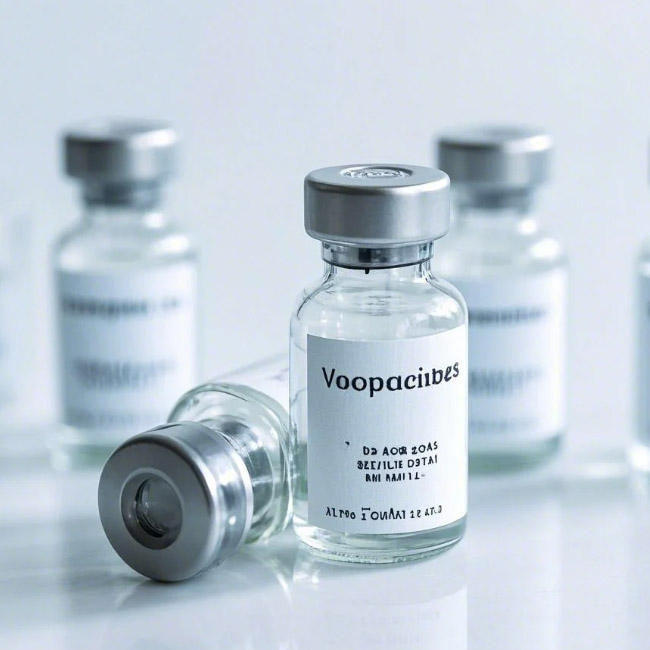
In the competitive world of pharmaceuticals and nutraceuticals, packaging is far more than just a container. It is the first line of defense in ensuring product safety, stability, and efficacy. For procurement managers and business owners, the temptation to focus solely on the unit price of oral liquid glass vials is understandable but ultimately short-sighted. A substandard vial can lead to product degradation, contamination, and significant brand damage.
Em Pharglass, we believe in empowering our clients with knowledge. To help you make an informed decision, we’ve outlined five critical factors to consider when sourcing high-quality oral liquid glass vials, moving beyond price to focus on what truly matters.
1. Understand the Manufacturing Process: Tubular vs. Molded Glass
The manufacturing process dictates the vial’s characteristics and ideal application. There are two primary types:
- Tubular Glass Vials: These are formed from pre-manufactured glass tubing. They offer superior dimensional accuracy, lighter weight, and excellent chemical resistance, making them ideal for sensitive injectables and high-value pharmaceuticals. Their capacity typically ranges from 5ml to 50ml.
- Molded Glass Vials: These are formed by pressing and blowing molten glass into a mold. They are generally heavier, more durable, and better suited for larger volumes and less sensitive applications like certain oral liquids or solid dosages. Their capacity can range from 10ml to a substantial 500ml.
The Pharglass Expertise: We guide you in selecting the right type based on your product’s specific needs, ensuring optimal protection and cost-efficiency.
2. Ensure Closure Compatibility for a Perfect Seal
The integrity of your product depends heavily on the seal between the vial and its closure. The vial’s neck finish is paramount.
- Crimp Neck (or “Snap Ring”) Vials: Designed for aluminum flip-off seals, often used with butyl or silicone rubber stoppers. This is the industry standard for sterile products.
- Screw Neck Vials: These feature threads and can be paired with a variety of caps, such as PP (polypropylene) child-resistant caps, aluminum-plastic combination caps, or simple plastic caps. They often use liners like PE foam, pulp/PE, or silicone to ensure a hermetic seal.
Choosing the wrong combination can lead to leaks, evaporation, or microbial ingress.
3. Prioritize Durable and Compliant Labeling
Clear, durable labeling is critical for patient safety and regulatory compliance. The printing method must withstand the product’s lifecycle, including sterilization.
- High-Temperature Curing Ink (Silkscreen): This method creates a highly durable, chemical-resistant print that is less likely to fade or peel. The colors are often more muted.
- Low-Temperature Curing Ink (Silkscreen): This offers brighter, more vibrant colors but can be less durable and more susceptible to peeling, especially if the surface isn’t properly treated or if it undergoes harsh sterilization processes.
At Pharglass, we advise on the best printing technology to ensure your branding and critical information (like dosage and expiry) remain legible.
4. Verify Glass Quality and Type (USP/EP Standards)
Not all glass is created equal. Pharmaceutical glass is a non-crystalline inorganic material valued for its transparency, hardness, and resistance to heat and chemicals. The key is its chemical composition and hydrolytic resistance.
- Type I Glass (Borosilicate Glass): Offers the highest chemical resistance and is used for the most sensitive products.
- Type II Glass (Treated Soda-Lime Glass): Soda-lime glass that has been internally treated (“de-alkalized”) to improve its chemical resistance.
- Type III Glass (Soda-Lime Glass): Has moderate chemical resistance and is used for non-parenteral products.
Dica profissional: Always request a Certificate of Analysis (CoA) from your supplier to verify the glass type and ensure it meets USP (United States Pharmacopeia) or EP (European Pharmacopoeia) padrões.
5. Inspect for Physical Defects
A simple but crucial quality control step is a visual inspection. High-quality vials should be free from critical defects that compromise their integrity.
When you receive a sample or a batch, hold the oral liquid glass vial up to a natural light source. It should be transparent and free from any visible cracks, chips, or significant imperfections (known as “checks” or “stones” in glass manufacturing). These defects are potential points of failure that can lead to breakage during filling, shipping, or use.
Partner with Pharglass for Quality and Confidence
Sourcing pharmaceutical packaging is a complex process that demands expertise and a commitment to quality. By looking beyond the price and focusing on these five key areas, you protect your product, your brand, and ultimately, the end-user.
Em Pharglass, our mission is to be more than just a supplier; we are your strategic partner in packaging. From selecting the right glass type and closure system to ensuring top-tier manufacturing quality, we are here to support your success every step of the way.
Contact Pharglass today to discuss your next project and experience the difference that quality-driven packaging can make.
 PT
PT  EN
EN  FR
FR  AR
AR  DE
DE  ES
ES  FA
FA  RU
RU