
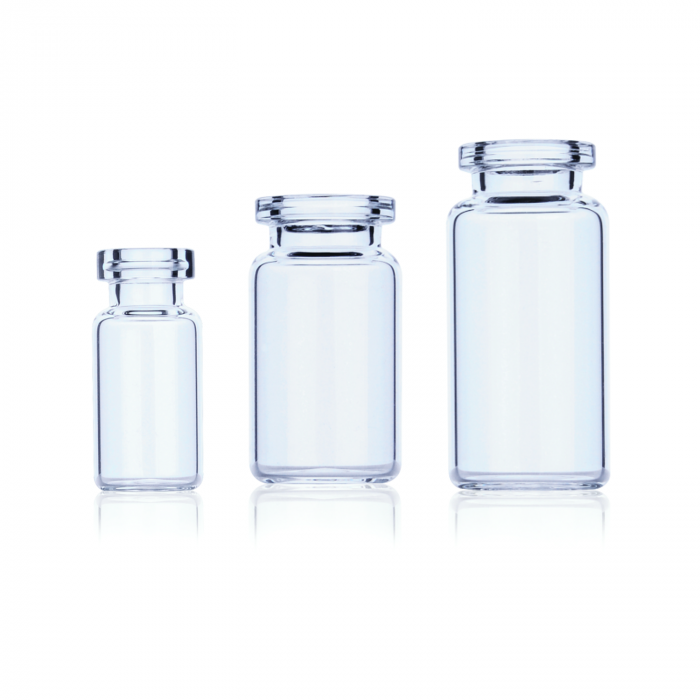
في صناعة التغليف الأولي للمستحضرات الصيدلانية، غالبًا ما يكون مصطلح “الموثوقية” مرادفًا للسلامة الهيكلية. في حين أن الخمول الكيميائي أمر حيوي لاستقرار الدواء، فإن المتانة الفيزيائية للقارورة الزجاجية هي ما يحدد ما إذا كانت الدفعة ستنجو من قسوة التصنيع عالي السرعة والتعقيم والخدمات اللوجستية العالمية. من بين أنماط الفشل المختلفة في العبوات الزجاجية, تشققات إجهاد داخلي ربما تكون الأكثر خبثًا، وغالبًا ما تظل غير مرئية حتى يحدث فشل كارثي.
تشنغتشو فار جلاس (يشار إليها فيما يلي باسم فار جلاس) كرّست عقودًا من الأبحاث لإتقان علم التلدين. ومن خلال تطبيق المعالجة الحرارية المتقدمة والمراقبة الدقيقة، تضمن شركة PharGlass خلو كل حاوية يتم تسليمها إلى السوق العالمية من التوترات الداخلية التي تهدد السلامة.
ما هو الإجهاد الداخلي في الزجاج الصيدلاني؟
الإجهاد الداخلي، أو الإجهاد المتبقي، هو منتج ثانوي حتمي لعملية تشكيل الزجاج. عندما يتم تسخين الزجاج الأنبوبي إلى حالة الانصهار وتشكيله في قارورة أو أمبولة، تبرد الأجزاء المختلفة من الحاوية - مثل القاعدة السميكة والرقبة الرقيقة - بمعدلات غير متساوية. ويؤدي هذا التدرج في درجة الحرارة إلى تصلب الطبقات الخارجية أسرع من اللب الداخلي، مما يؤدي إلى توتر ميكانيكي.
وإذا تُركت هذه الضغوط “المتجمدة” دون معالجتها، فإنها تعمل كخطوط صدع موجودة مسبقًا. عندما تواجه القارورة فيما بعد الصدمة الحرارية لدورة التعقيم أو التأثير الميكانيكي لآلة وضع السدادة، يتجاوز الضغط صلابة الزجاج في الكسر، مما يؤدي إلى الكسر التلقائي.
عملية التلدين بزجاج الفارجو العلم على الصدفة
للقضاء على هذه المخاطر, فار جلاس يستخدم عملية تلدين متطورة داخل “لير”، وهو عبارة عن فرن نفقي طويل يتم التحكم في درجة حرارته. ويتمثل الهدف من ذلك في إعادة تسخين الزجاج إلى “نقطة التلدين” حيث يمكن أن يرتاح الهيكل، تليها مرحلة تبريد يتم التحكم فيها بدقة.
1. رسم خرائط دقيقة لدرجة الحرارة
كل تركيبة زجاجية، سواء كانت بوروسيليكات البورسليكات المحايدة من النوع USP I المحايد أو بوروسيليكات منخفضة البورسليكات, له نطاق تلدين محدد. فار جلاس يستخدم مستشعرات يتم التحكم فيها بالكمبيوتر لرسم خريطة لملف درجة الحرارة عبر كامل طول القارورة. وهذا يضمن أن تصل كل قارورة إلى درجة الحرارة الدقيقة المطلوبة للاسترخاء الجزيئي دون تشويه شكلها المصمم بدقة.
2. معدلات التبريد الاستراتيجي
المرحلة الأكثر أهمية هي التبريد البطيء خلال “نطاق التحول”. إذا انخفضت درجة الحرارة بسرعة كبيرة، يتم إدخال ضغوط جديدة. فار جلاس تملي البروتوكولات الهندسية معدل تبريد خطي يأخذ في الحسبان سمك الجدار المحدد للمنتج، مما يضمن ترتيبًا جزيئيًا موحدًا من القاعدة إلى الحافة.
الموثوقية المستندة إلى البيانات: معيار 400 نانومتر/مم
في عالم مشتريات الأدوية بين الشركات B2B، يجب أن تكون “الجودة” قابلة للقياس الكمي. فار جلاس ترجمة التميز في العمليات إلى نقاط بيانات قابلة للقياس تكون بمثابة ضمان لشركائنا.
التحكم في الإجهاد الداخلي (≤ 400 نانومتر/مم)
وفقًا للبيانات الفنية من منشأة التصنيع لدينا, فار جلاس يضمن أن يكون الإجهاد الداخلي المتبقي في القوارير والأمبولات لدينا يتم التحكم فيها باستمرار أقل من 400 نانومتر/ملم. هذه القيمة أقل بكثير من العتبات التي غالبًا ما تُرى في العبوات الزجاجية القياسية. ومن خلال الحفاظ على مستويات الإجهاد عند هذا الحد الأدنى، توفر حاوياتنا “سقف أمان” أعلى بكثير لعمليات الإنتاج الخاصة بعملائنا.
المعلمات الداعمة: اتساق العمودية والارتفاع
الاستقرار البدني هو خاصية شاملة. بالإضافة إلى انخفاض الإجهاد الداخلي, فار جلاس يحافظ على انحراف المحور الرأسي أقل من 1.2 مم و تفاوت الارتفاع الكامل في حدود ± 0.4 مم. تضمن هذه الدقة الهندسية أنه عندما تتعرض القوارير للقوة الميكانيكية الهابطة لرأس السدادة فإن القوة تتوزع بالتساوي عبر الجدران الزجاجية، مما يمنع تركيزات الضغط الموضعية التي قد تؤدي إلى حدوث كسر.
تطبيقات الصناعة الحرجة: لماذا يعتبر الإجهاد المنخفض مهمًا
بالنسبة لبعض التطبيقات الصيدلانية، فإن المظهر الجانبي “منخفض الإجهاد” لـ فار جلاس الحاويات ليست مجرد ميزة، بل هي ضرورة.
التجفيف بالتجميد (التجفيف بالتجميد)
أثناء عملية التجفيف بالتجميد، تتعرض القوارير لتقلبات شديدة في درجات الحرارة، من درجة الحرارة المحيطة إلى -50 درجة مئوية تحت الصفر والعودة مرة أخرى. تكون القوارير ذات الإجهاد العالي المتبقي عرضة “للانهيار” أو التحطم أثناء مرحلة التجميد. إن 400 نانومتر/ملم حد الضغط 400 نانومتر/ملم من فار جلاس تضمن القوارير قدرتها على تحمل هذه التدرجات الحرارية، مما يحمي الكعك المجفف بالتجميد عالي القيمة.
التعبئة الآلية عالية السرعة
يمكن لخطوط التعبئة الحديثة معالجة أكثر من 400 قارورة في الدقيقة. وبهذه السرعات، لا مفر من حدوث تصادمات بين القارورة والقارورة. يمتلك الزجاج منخفض الإجهاد “صلابة” ميكانيكية فائقة، مما يسمح له بامتصاص هذه الصدمات الطفيفة دون تشقق، وبالتالي الحفاظ على فعالية المعدات الكلية لخط الإنتاج.
التعقيم الطرفي (التعقيم الأوتوماتيكي)
وغالبًا ما تخضع الحقن للتعقيم الذاتي عند درجة حرارة $121^\circ C$ تحت ضغط مرتفع. تؤدي هذه البيئة إلى تفاقم أي نقاط ضعف فيزيائية موجودة. فار جلاس‘إن التزامنا بتحييد الإجهاد يعني أن حاوياتنا تدخل الأوتوكلاف بالمرونة الهيكلية المطلوبة لتخرج سليمة ومعقمة.
ضمان الجودة: دور مختبر فارغلاس في مختبر فارغلاس
التحقق من الصحة هو الجسر بين التصنيع والثقة. فار جلاس أنشأ مختبرًا عالي المستوى مجهزًا بما يلي المناظير القطبية و إجهاد المشاهدين لمراقبة كل دفعة إنتاج. نحن نستخدم المبدأ البصري للانكسار البصري لتصور الإجهاد المتبقي وقياسه كمياً. أي دفعة تفشل في تلبية ≤ 400 نانومتر/مم يتم رفض المعيار تلقائيًا، مما يضمن حصول عملائنا على عبوات “خالية من الإجهاد” فقط.
دليل الاختيار: قائمة مراجعة المشتريات لسلامة الزجاج
عند تقييم شريك التغليف الزجاجي، يجب أن تطلب الفرق الفنية بيانات “الإجهاد والثبات” التالية:
- شهادات التلدين: هل يراقب المورد مستويات الضغط لكل دفعة؟
- بيانات مقاومة الصدمات الحرارية: هل يمكن أن تتحمل القوارير $42^^circ C$ أو فرق درجة حرارة أعلى؟
- تقارير الأبعاد: هل تفاوتات الارتفاع ضمن ± 0.4 مم لضمان التحميل الميكانيكي المتساوي؟
الخاتمة: تأمين مستقبل الحقن بالحقن
قد يكون الإجهاد الداخلي غير مرئي للعين المجردة، ولكن تأثيره على السلامة الدوائية عميق. من خلال إعطاء الأولوية لتكنولوجيا التلدين المتقدمة والالتزام بصرامة عتبة الإجهاد 400 نانومتر/ملم, تشنغتشو فار جلاس أساسًا من اليقين الهيكلي.
يسمح التزامنا بالهندسة الدقيقة لمصنعي الأدوية بتخطي حدود سرعة الإنتاج والخدمات اللوجستية، مع العلم أن عبواتهم الأولية مصممة لتتحمل. في صناعة لا مجال للخطأ فيها, فار جلاس يوفر الثبات المطلوب لحماية الدواء والمريض على حد سواء.
 AR
AR  EN
EN  FR
FR  DE
DE  ES
ES  PT
PT  FA
FA  RU
RU