
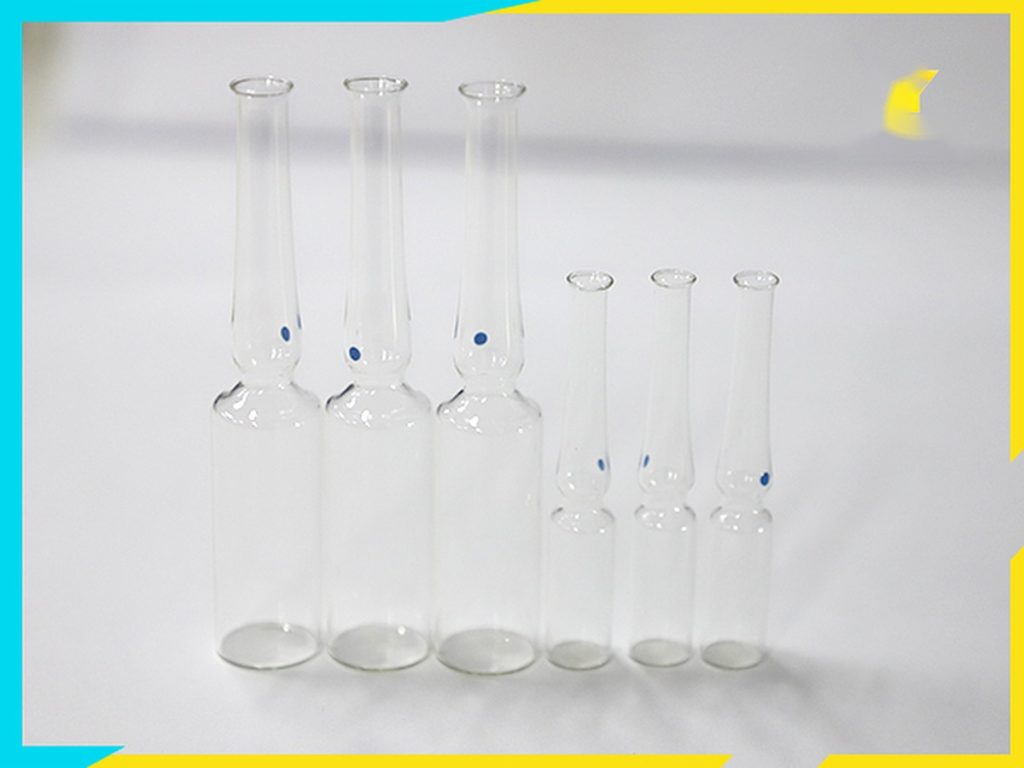
An ampoule is sealed at both ends, so the glass is the only packaging material in contact with the drug. A defect that would be cosmetic on a bottle can become a particulate or a leak in an ampoule. Inspection therefore focuses on a small number of defect types that matter for sterility and for the opening behaviour.
Defects to look for
Visual inspection method
Inspect against both a black and a white background under diffuse light. A black background reveals bubbles and stones; a white background reveals scratches, haze and colour variation. Rotate the ampoule so that the whole circumference is seen, and inspect the neck and the base separately because defects there are easy to miss.
For stress, a polarised-light viewer shows annealing quality. Residual stress around the neck is common and can cause cracking during opening, so the neck is worth checking even when the body looks clean.
Sampling and acceptance
Inspection is normally carried out on an AQL sample rather than on every ampoule. The defect classification matters more than the sample size: cracks and stones are critical defects with a zero or near-zero acceptance number, while minor scratches may be accepted within a defined limit. The acceptance criteria should be written into the specification and agreed before the first lot, not negotiated after a rejection.
Defects that affect opening
For colour-break ampoules, the position and depth of the score determine the breaking force. A score that is too shallow will not break cleanly; one that is too deep can produce glass particles. The score should be inspected together with a breaking-force test, because a visual check alone cannot confirm that the ampoule opens within the specified force range.
Lecturas relacionadas
- Ampollas de vidrio para productos inyectables
- Low borosilicate and soda-lime ampoules
- Ampoule breakability testing guide
Need an inspection specification or a sample lot? Contact nuestro equipo de ventas.

 ES
 EN
 FR
 AR
 DE
 PT
 FA
 RU