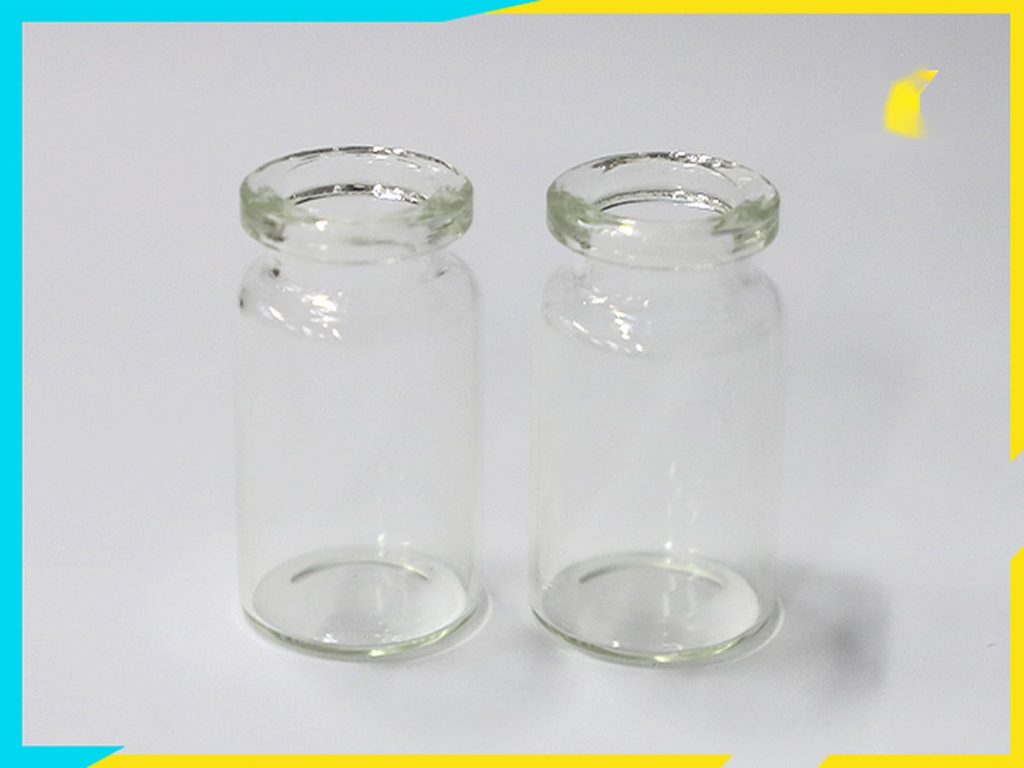
Freeze-Dried Glass Vials – 2R to 50R Type I Borosilicate for Lyophilized Injectables
Freeze-dried glass vials, 2R to 50R, Type I borosilicate, for lyophilized injectables. Vented and double-chamber stoppers, USP/EP/YBB compliant.

Freeze-drying vials from 2 ml to 50 ml in Type I borosilicate, with vented and double-chamber stoppers for lyophilized injectables and biologics.
Type I borosilicate freeze-drying vials from 2 ml to 50 ml, with vented and double-chamber stoppers for lyophilized injectables.
Freeze-dried glass vials, 2R to 50R, Type I borosilicate, for lyophilized injectables. Vented and double-chamber stoppers, USP/EP/YBB compliant.
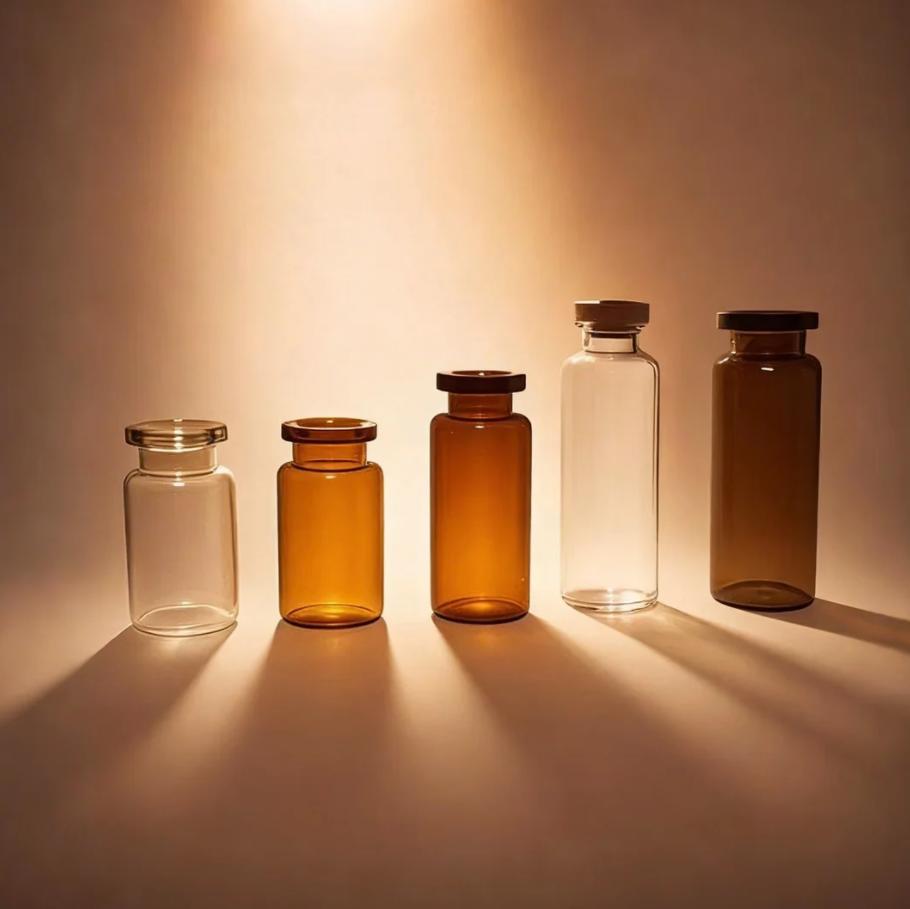
Envases para liofilización de grado farmacéutico de Pharglass | Con triple certificación | Eliminan la necesidad de esterilización interna. Los viales estériles para liofilización de Pharglass, con capacidades de 2 ml, 5 ml y 10 ml, están diseñados con precisión para procesos asépticos… Leer más
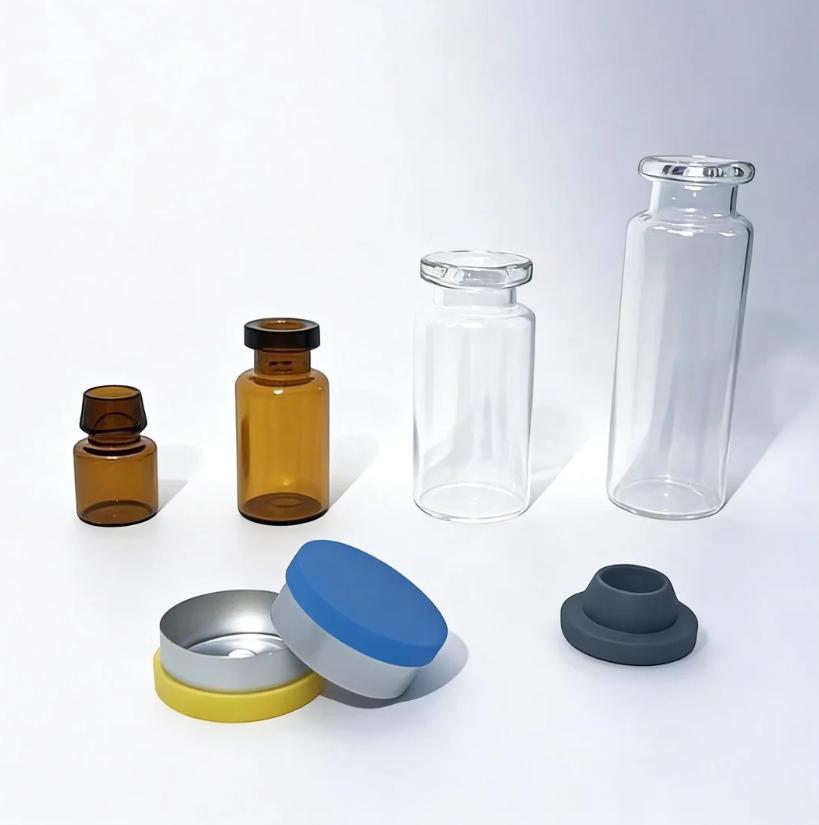
Envases primarios listos para el llenado de Pharglass | Triple cumplimiento de las farmacopeas | Optimizados para productos biológicos, vacunas y antibióticos. Los viales estériles para liofilización de Pharglass están diseñados para los más… Leer más
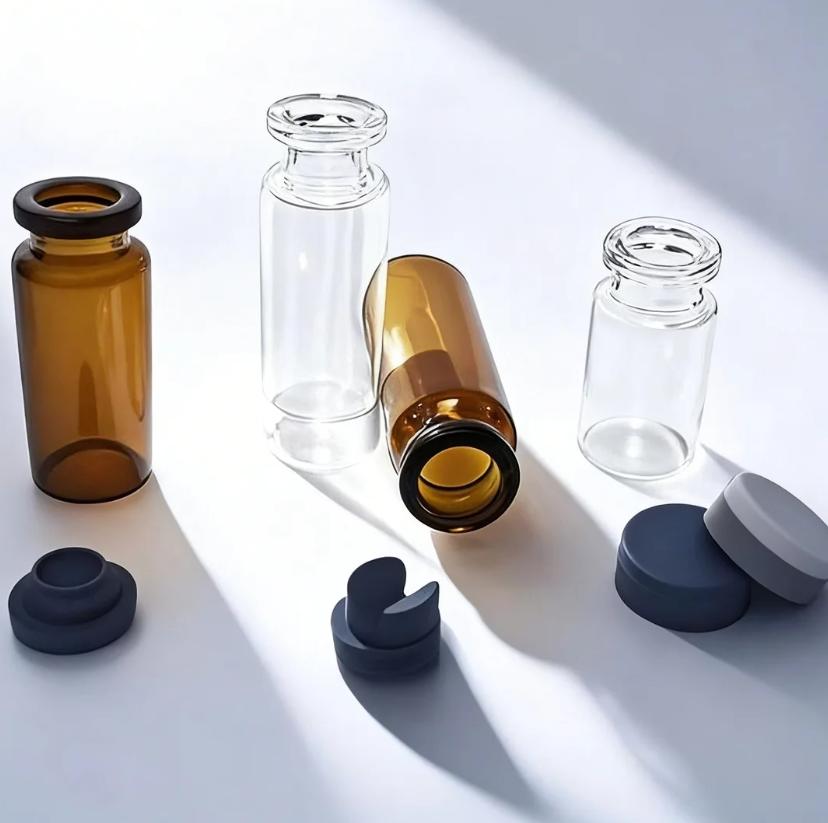
Envases primarios de alto rendimiento de Pharglass | Optimizados para garantizar la estabilidad, la integridad y la escalabilidad. Los viales para liofilización de Pharglass están diseñados con precisión para garantizar una liofilización fiable de productos terapéuticos sensibles, desde moléculas pequeñas… Leer más
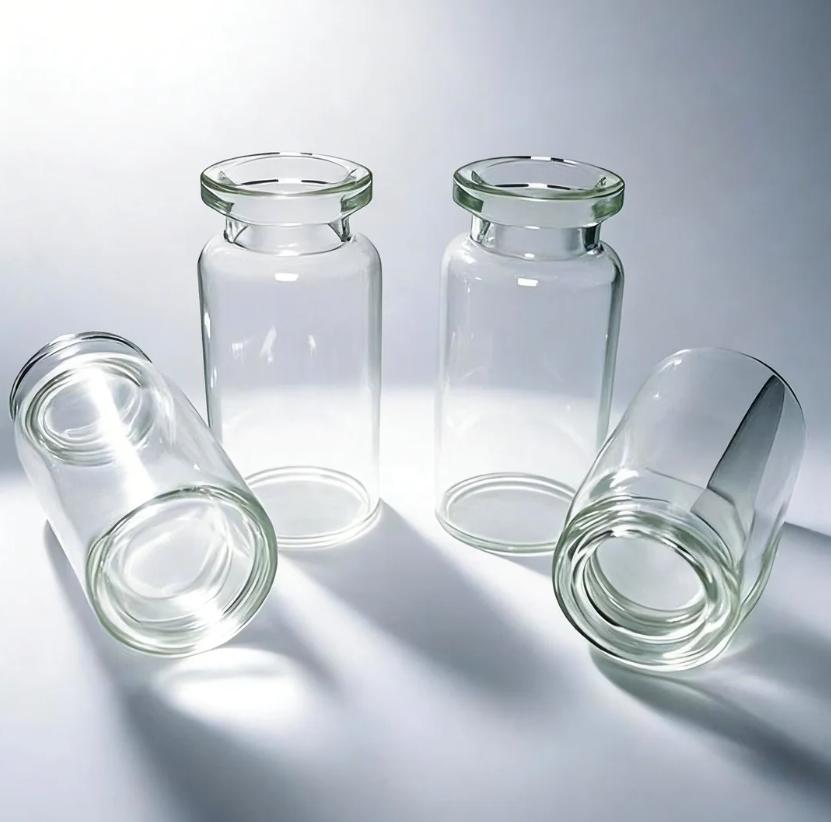
Integridad mejorada del cierre de los envases gracias a Pharglass | Diseño de doble tapón para la reconstitución y la estabilidad a largo plazo. Los viales de liofilización con doble tapón de Pharglass están diseñados para los productos liofilizados más exigentes… Leer más
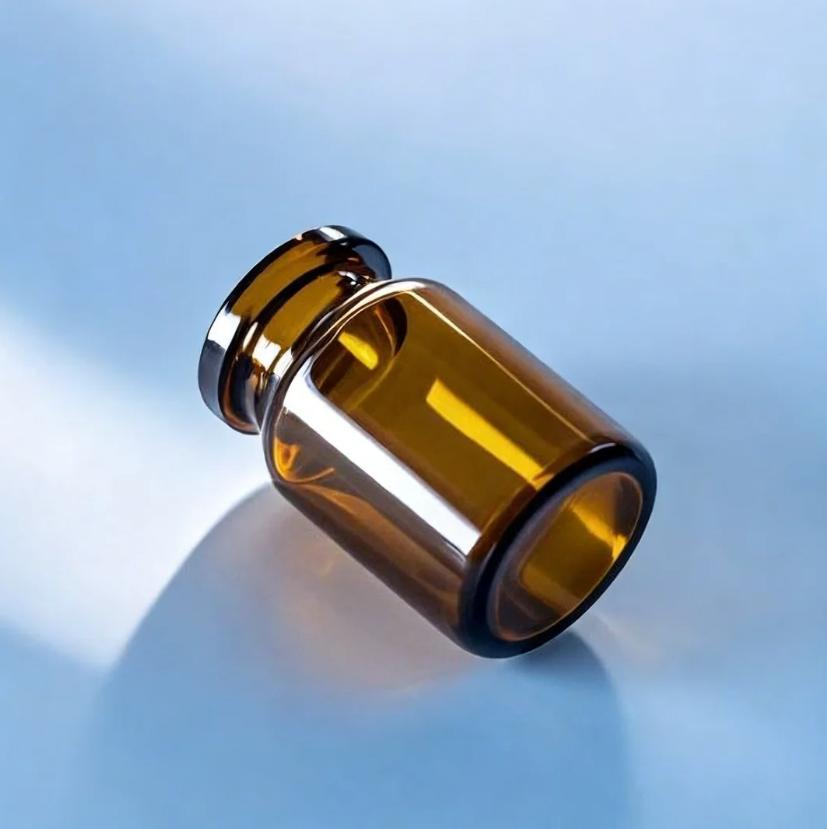
Envases primarios de alto rendimiento de Pharglass | Conformes con las normas USP, EP y YBB | Optimizados para ciclos de liofilización agresivos. Los viales para liofilización de Pharglass, resistentes a 70 °C, están diseñados para procesos de liofilización exigentes… Leer más
Lyophilization is a demanding process for any container. The vial is cooled to −40 °C or below, exposed to vacuum, and then sealed inside the freeze-dryer while the stopper is seated. It must tolerate the thermal cycle, release water vapour freely, and seal without disturbing the cake. PharGlass supplies lyophilization vials from 2R to 50R in Type I borosilicate, with stoppers selected for the process rather than for the catalogue.
| Tamaño | Nominal capacity | Acabado del cuello | Typical fill |
|---|---|---|---|
| 2R | 2 ml | 13 mm | Small-dose lyophilized injectables |
| 5R | 5 ml | 20 mm | Antibiotics, peptides |
| 10R | 10 ml | 20 mm | Biologics, vaccines |
| 20R | 20 ml | 20 mm | Larger lyophilized doses |
| 30R | 30 ml | 20 mm | Multi-dose lyophilized products |
| 50R | 50 ml | 20 mm / 32 mm | Bulk lyophilized products |
Clear glass is the default because it allows visual inspection of the cake. Amber glass is available where the lyophilized product is light-sensitive.
During drying, the stopper sits partially inserted so that water vapour can escape. Vented or slotted stoppers make this path explicit; standard stoppers rely on the gaps around the partially seated plug. At the end of the cycle the stopper is fully seated by the shelf, sealing the vial inside the dryer. Double-chamber stoppers go further and hold a liquid diluent above the powder, so that reconstitution happens in the same container at the point of use.
Stopper formulation matters as much as geometry. The elastomer contacts the drug and must be compatible with it, with low extractables and good resealing if the vial is multi-dose.
Each lot is checked for dimensions, cosmetic defects and hydrolytic resistance, with a certificate of analysis. For lyophilization, dimensional consistency deserves particular attention because a stopper that seats badly will either leak or stall the shelf. Dimensional drawings are available for lyophilizer and filling-line qualification, and trial quantities can be supplied before a production order.
Send your fill volume, stopper type and lyophilizer format to nuestro equipo de ventas.
The most common are 2R, 5R, 10R, 20R and 50R. The size follows the cake volume and the headspace required by the freeze-drying cycle.
A stopper that can sit partially inserted during drying and be fully seated inside the lyophilizer. Vented and double-chamber stoppers are common; the elastomer must also be compatible with the drug.
Yes. Amber Type I borosilicate vials are available across the 2R–50R range for light-sensitive lyophilized products.
Yes. They are made from Type I borosilicate and tested for hydrolytic resistance to USP and EP 3.2.1, with YBB compliance available for the Chinese market.
Ready-to-use formats can be discussed for customers whose fill-finish line requires washed and sterilised vials.
 ES
 EN
 FR
 AR
 DE
 PT
 FA
 RU