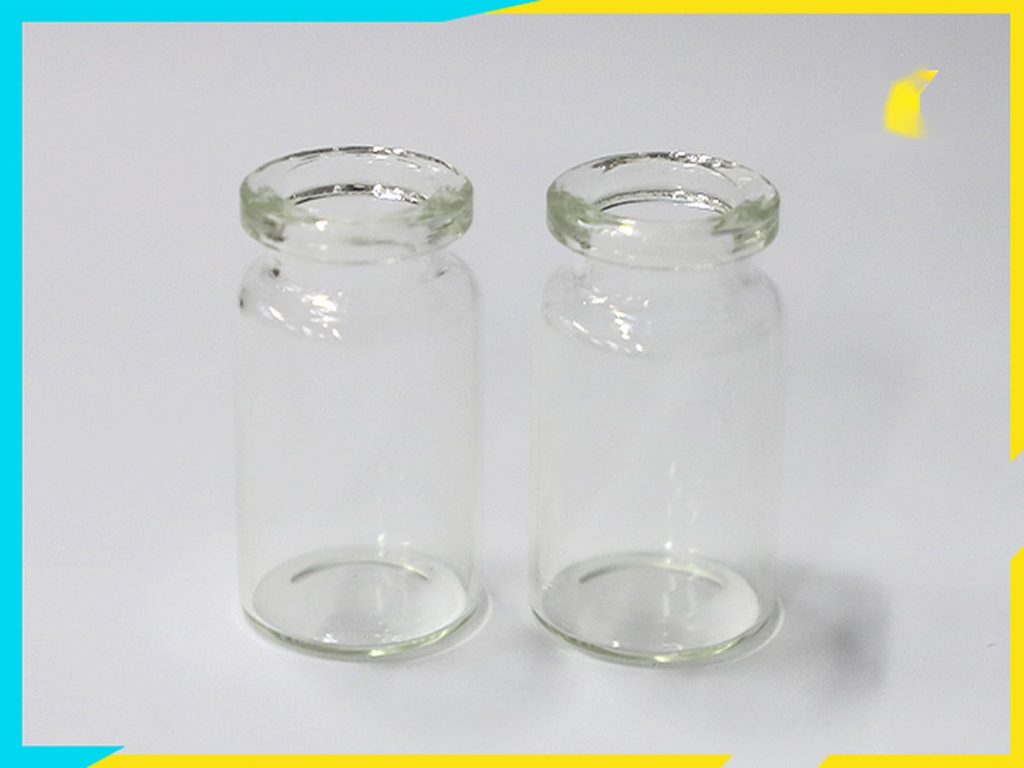
Freeze-Dried Glass Vials – 2R to 50R Type I Borosilicate for Lyophilized Injectables
Freeze-dried glass vials, 2R to 50R, Type I borosilicate, for lyophilized injectables. Vented and double-chamber stoppers, USP/EP/YBB compliant.

Freeze-drying vials from 2 ml to 50 ml in Type I borosilicate, with vented and double-chamber stoppers for lyophilized injectables and biologics.
Type I borosilicate freeze-drying vials from 2 ml to 50 ml, with vented and double-chamber stoppers for lyophilized injectables.
Freeze-dried glass vials, 2R to 50R, Type I borosilicate, for lyophilized injectables. Vented and double-chamber stoppers, USP/EP/YBB compliant.
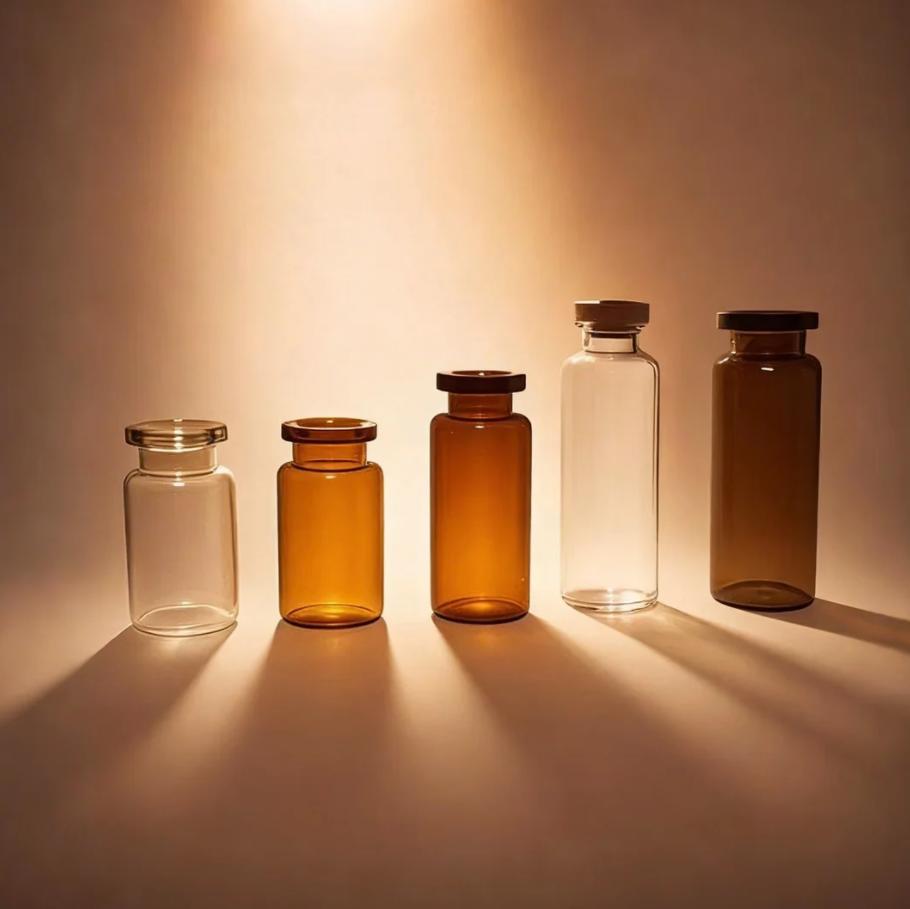
Pharmaceutical-Grade Lyophilization Containers by Pharglass | Triple-Certified | Eliminate In-House Sterilization Pharglass Sterile Freeze-Dry Vials in 2ml, 5ml, and 10ml capacities are precision-engineered for aseptic … Read more
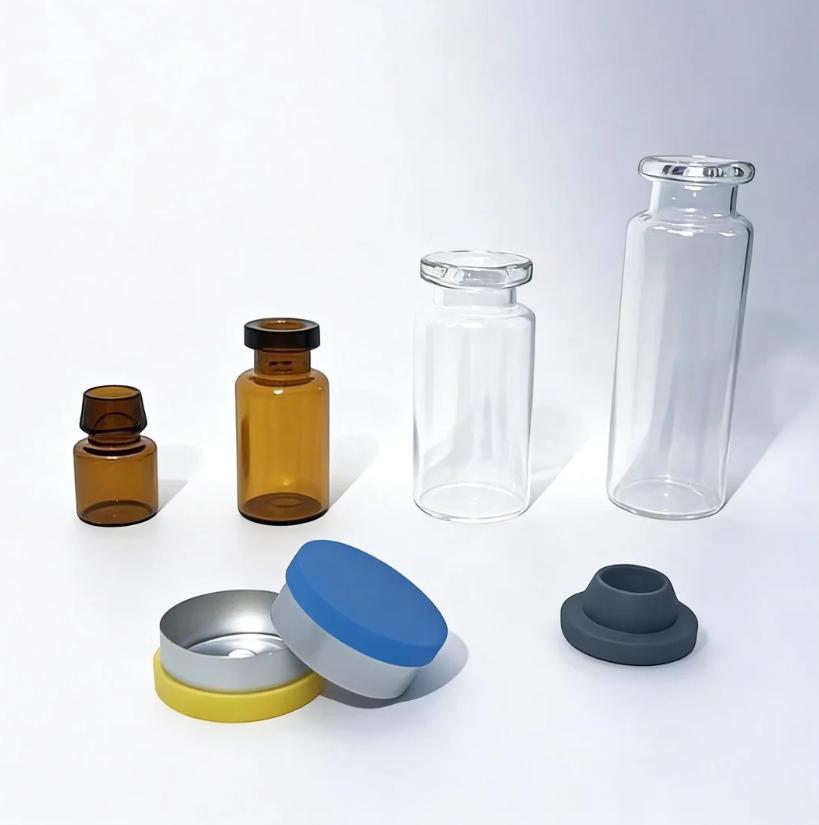
Ready-to-Fill Primary Packaging by Pharglass | Triple Pharmacopeial Compliance | Optimized for Biologics, Vaccines & Antibiotics Pharglass sterile lyophilization vials are engineered for the most … Read more
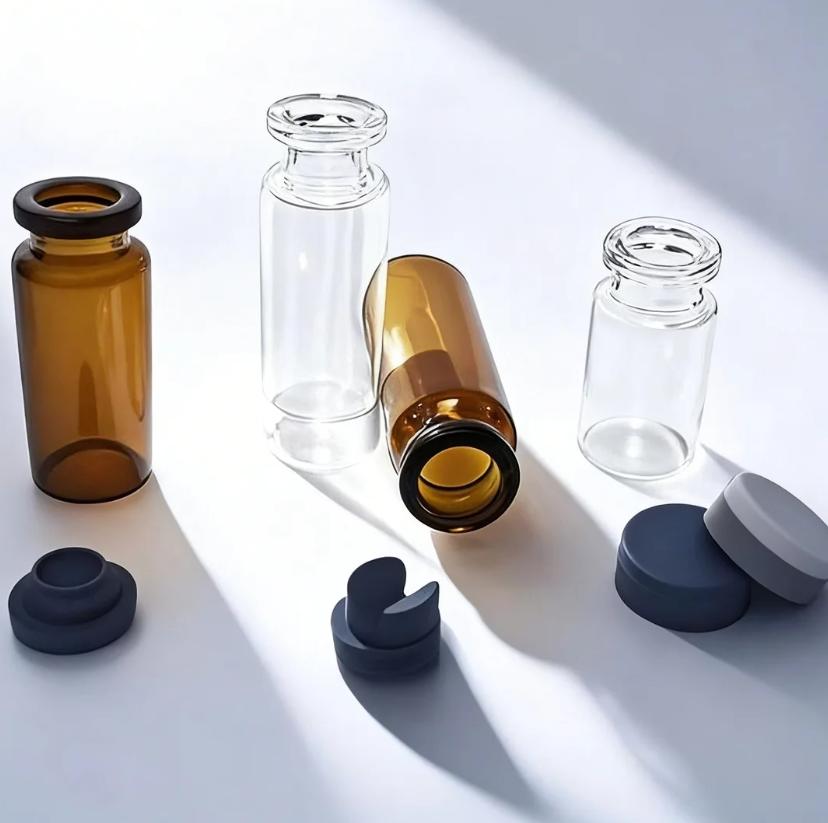
High-Performance Primary Packaging by Pharglass | Optimized for Stability, Integrity & Scalability Pharglass lyophilization vials are precision-engineered for the reliable freeze-drying of sensitive therapeutics—from small-molecule … Read more
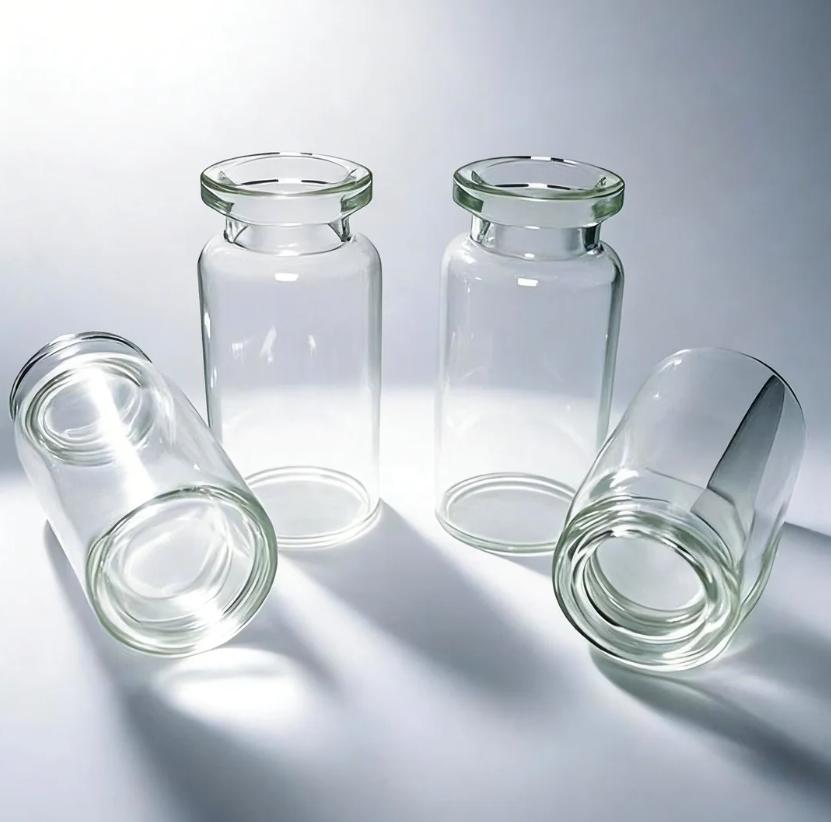
Enhanced Container Closure Integrity by Pharglass | Dual-Stopper Design for Reconstitution & Long-Term Stability Pharglass double-stoppered lyophilization vials are engineered for the most demanding freeze-dried … Read more
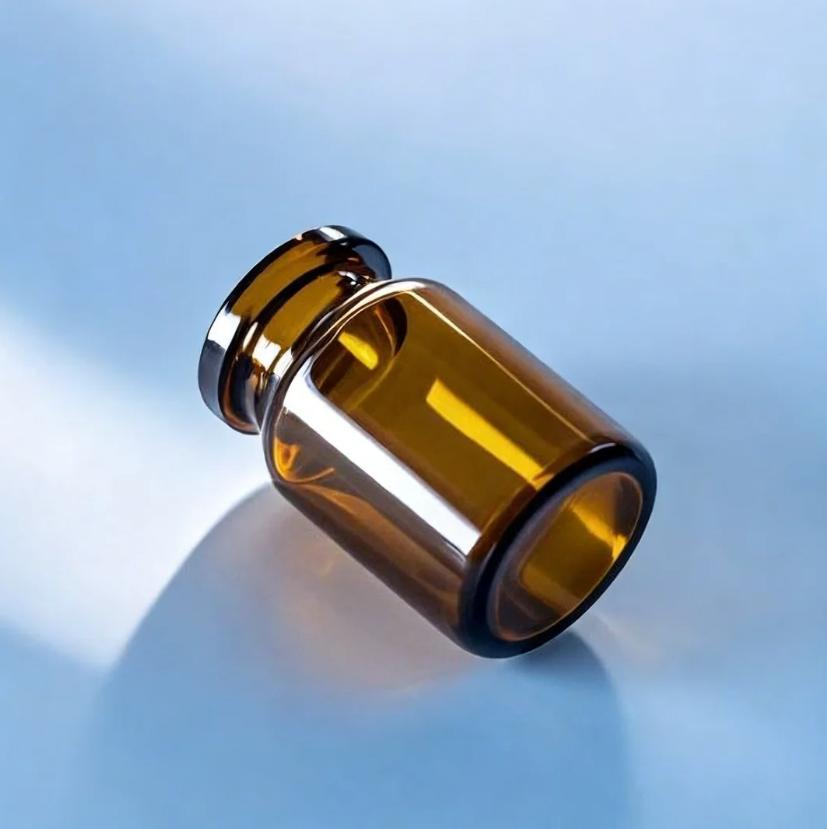
High-Performance Primary Packaging by Pharglass | USP/EP/YBB Compliant | Optimized for Aggressive Freeze-Dry Cycles Pharglass 70°C resistant lyophilization vials are engineered for demanding freeze-drying processes … Read more
Lyophilization is a demanding process for any container. The vial is cooled to −40 °C or below, exposed to vacuum, and then sealed inside the freeze-dryer while the stopper is seated. It must tolerate the thermal cycle, release water vapour freely, and seal without disturbing the cake. PharGlass supplies lyophilization vials from 2R to 50R in Type I borosilicate, with stoppers selected for the process rather than for the catalogue.
| Size | Nominal capacity | Neck finish | Typical fill |
|---|---|---|---|
| 2R | 2 ml | 13 mm | Small-dose lyophilized injectables |
| 5R | 5 ml | 20 mm | Antibiotics, peptides |
| 10R | 10 ml | 20 mm | Biologics, vaccines |
| 20R | 20 ml | 20 mm | Larger lyophilized doses |
| 30R | 30 ml | 20 mm | Multi-dose lyophilized products |
| 50R | 50 ml | 20 mm / 32 mm | Bulk lyophilized products |
Clear glass is the default because it allows visual inspection of the cake. Amber glass is available where the lyophilized product is light-sensitive.
During drying, the stopper sits partially inserted so that water vapour can escape. Vented or slotted stoppers make this path explicit; standard stoppers rely on the gaps around the partially seated plug. At the end of the cycle the stopper is fully seated by the shelf, sealing the vial inside the dryer. Double-chamber stoppers go further and hold a liquid diluent above the powder, so that reconstitution happens in the same container at the point of use.
Stopper formulation matters as much as geometry. The elastomer contacts the drug and must be compatible with it, with low extractables and good resealing if the vial is multi-dose.
Each lot is checked for dimensions, cosmetic defects and hydrolytic resistance, with a certificate of analysis. For lyophilization, dimensional consistency deserves particular attention because a stopper that seats badly will either leak or stall the shelf. Dimensional drawings are available for lyophilizer and filling-line qualification, and trial quantities can be supplied before a production order.
Send your fill volume, stopper type and lyophilizer format to our sales team.
The most common are 2R, 5R, 10R, 20R and 50R. The size follows the cake volume and the headspace required by the freeze-drying cycle.
A stopper that can sit partially inserted during drying and be fully seated inside the lyophilizer. Vented and double-chamber stoppers are common; the elastomer must also be compatible with the drug.
Yes. Amber Type I borosilicate vials are available across the 2R–50R range for light-sensitive lyophilized products.
Yes. They are made from Type I borosilicate and tested for hydrolytic resistance to USP and EP 3.2.1, with YBB compliance available for the Chinese market.
Ready-to-use formats can be discussed for customers whose fill-finish line requires washed and sterilised vials.
 EN
 FR
 AR
 DE
 ES
 PT
 FA
 RU