Введение
In the pharmaceutical industry, product safety begins with packaging. As biologics, vaccines, injectable drugs, and high-value therapeutics become increasingly sophisticated, pharmaceutical manufacturers require packaging systems that meet the highest standards of sterility, consistency, and regulatory compliance. Among these packaging solutions, sterile pharmaceutical glass vials have become the preferred choice for aseptic drug production worldwide.
Чжэнчжоу ФарГласс is a specialized supplier of advanced primary pharmaceutical packaging solutions. We provide premium-quality стерильные стеклянные флаконы, ready-to-use (RTU) rubber stoppers, and pre-sterilized aluminum-plastic caps designed to support modern aseptic filling operations. Through stringent quality management and advanced manufacturing technologies, we help pharmaceutical companies improve production efficiency while maintaining the highest levels of product integrity and patient safety.
This article explores the advantages, applications, manufacturing standards, and future trends of sterile pharmaceutical glass vials, highlighting why they have become an essential component of modern pharmaceutical packaging systems.
What Are Sterile Pharmaceutical Glass Vials?
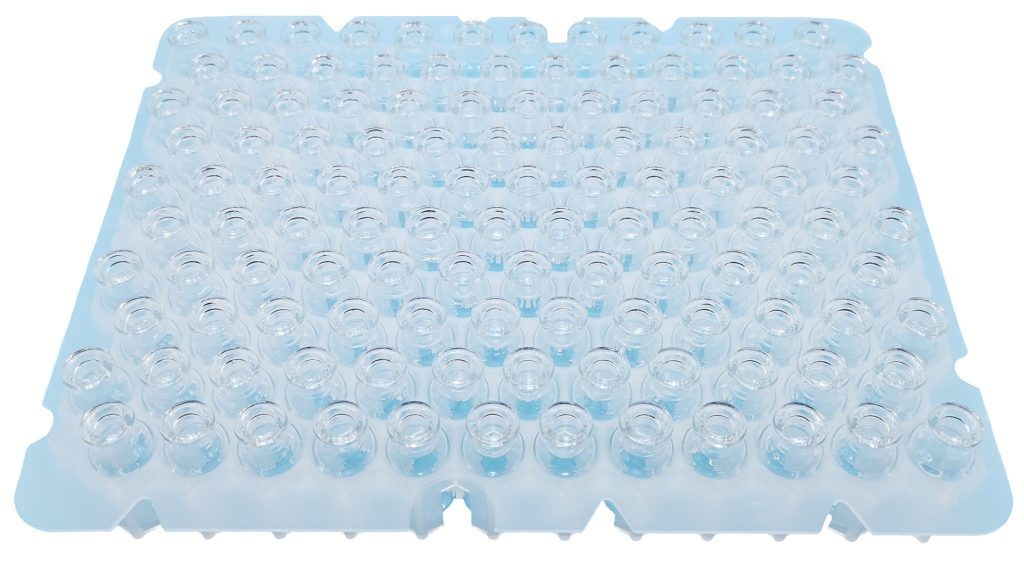
Sterile pharmaceutical glass vials are pharmaceutical containers that have undergone validated sterilization processes during manufacturing and are subsequently packaged in a controlled environment to maintain sterility until use.
Unlike conventional glass vials that require washing, depyrogenation, and sterilization before filling, sterile vials are delivered ready for immediate integration into aseptic filling lines. This significantly reduces preparation steps and minimizes contamination risks.
Common sterilization methods include:
- Steam sterilization
- Dry heat sterilization
- Ethylene oxide (EO) sterilization
- Гамма-облучение
- Electron beam sterilization
The chosen sterilization method depends on product specifications, regulatory requirements, and compatibility with packaging materials.
Key Features of Sterile Pharmaceutical Glass Vials
1. Guaranteed Sterility
Sterile vials are manufactured and processed under controlled cleanroom environments to meet stringent pharmaceutical sterility requirements.
Each vial undergoes validated sterilization procedures and is packaged using sterile barrier systems that preserve product integrity throughout transportation and storage.
Benefits include:
- Reduced microbial contamination risks
- Compliance with pharmaceutical GMP standards
- Enhanced patient safety
- Consistent batch-to-batch quality
For injectable drugs and biologics, maintaining sterility throughout the production process is critical because even minimal contamination can compromise product efficacy and patient safety.
2. Ready-to-Use Convenience
One of the most significant advantages of sterile glass vials is their ready-to-use (RTU) format.
Traditional pharmaceutical packaging workflows typically involve:
- Washing
- Депирогенизация
- Sterilization
- Transfer to aseptic filling areas
RTU sterile vials eliminate these preparation steps, allowing manufacturers to:
- Shorten production cycles
- Reduce equipment requirements
- Lower operational costs
- Improve manufacturing flexibility
This is particularly valuable for contract manufacturing organizations (CMOs), biotech companies, and facilities producing small-volume, high-value injectable products.
3. Superior Container Closure Integrity
Maintaining sterility after filling requires an effective container closure system.
Sterile vial systems are typically paired with:
- RTU rubber stoppers
- Pre-sterilized aluminum caps
- Flip-off seals
- Crimp seals
Together, these components provide excellent Container Closure Integrity (CCI), preventing:
- Microbial ingress
- Moisture penetration
- Oxygen exposure
- Product degradation
Strong container closure integrity is particularly important for biologics, lyophilized drugs, vaccines, and other moisture-sensitive pharmaceutical products.
4. High Chemical Resistance
Pharmaceutical glass offers exceptional resistance to chemical interactions.
Most sterile pharmaceutical glass vials are manufactured from:
- Боросиликатное стекло типа I
- Low-expansion pharmaceutical glass
These materials provide:
- Excellent hydrolytic resistance
- Low extractables and leachables
- High thermal stability
- Compatibility with sensitive drug formulations
This makes them ideal for storing complex injectable drugs and biologic therapies that require long-term stability.
Applications of Sterile Pharmaceutical Glass Vials
Injectable Pharmaceuticals
Injectable medications represent the largest application segment for sterile glass vials.
Examples include:
- Antibiotics
- Hormone therapies
- Oncology drugs
- Emergency medicines
- Pain management products
Sterility is essential because these medications bypass the body’s natural defense barriers.
Вакцины
Global vaccine manufacturing relies heavily on sterile pharmaceutical glass packaging.
Vaccines require:
- Reliable sterility assurance
- Stable storage conditions
- Excellent barrier performance
- Regulatory compliance
Sterile glass vials help manufacturers achieve these requirements while supporting high-speed filling operations.
Biologics and Biotechnology Products
The rapid growth of biologics has increased demand for advanced sterile packaging solutions.
Applications include:
- Monoclonal antibodies
- Recombinant proteins
- Cell therapy products
- Gene therapy products
These therapies are often highly sensitive to contamination and environmental exposure, making sterile packaging essential.
Lyophilized (Freeze-Dried) Drugs
Freeze-dried pharmaceuticals require specialized packaging systems.
Sterile glass vials provide:
- Excellent thermal resistance
- Strong vacuum retention
- Reliable sealing performance
- Long-term stability
As a result, they are widely used for lyophilized antibiotics, vaccines, and biologic products.
Laboratory and Research Applications
Sterile glass vials are also commonly used in:
- Research laboratories
- Biotechnology facilities
- Diagnostic reagent storage
- Cell culture applications
Researchers benefit from the ability to use the vials immediately without additional sterilization processes.
Manufacturing Process of Sterile Pharmaceutical Glass Vials
Producing sterile pharmaceutical packaging requires strict process control and regulatory oversight.
Glass Forming
High-quality borosilicate glass tubing is transformed into pharmaceutical vials using precision forming equipment.
Critical parameters include:
- Точность размеров
- Wall thickness consistency
- Neck finish quality
- Cosmetic appearance
Washing and Cleaning
Before sterilization, vials undergo multiple cleaning stages designed to remove:
- Particulate matter
- Glass debris
- Manufacturing residues
Advanced cleaning systems utilize purified water and highly controlled process parameters.
Sterilization
Sterilization is validated according to internationally recognized pharmaceutical standards.
The process aims to achieve a Sterility Assurance Level (SAL) appropriate for pharmaceutical applications.
Validation includes:
- Biological indicators
- Temperature mapping
- Process challenge testing
- Routine monitoring
Sterile Packaging
After sterilization, vials are transferred into controlled environments and packaged using sterile barrier systems.
Packaging formats may include:
- Nest and tub configurations
- Sterile trays
- Double sterile bags
- Customized aseptic packaging solutions
These packaging systems protect sterility until the point of use.
Regulatory Standards and Compliance
Pharmaceutical packaging suppliers must comply with multiple international regulations.
Key standards include:
Good Manufacturing Practice (GMP)
GMP guidelines establish requirements for:
- Quality management systems
- Personnel training
- Facility design
- Documentation control
- Process validation
United States Pharmacopeia (USP)
USP standards provide guidance on:
- Glass quality
- Container performance
- Sterility requirements
- Extractables and leachables
European Pharmacopoeia (Ph. Eur.)
European regulations establish testing requirements for pharmaceutical glass containers, including hydrolytic resistance and dimensional specifications.
ISO Standards
Relevant standards may include:
- ISO 8362 for injection containers
- ISO 14644 for cleanroom environments
- ISO 15378 for primary packaging materials
Compliance with these standards ensures global acceptance of pharmaceutical packaging products.
Advantages of Sterile Vials Over Conventional Vials
| Характеристика | Стерильные стеклянные флаконы | Conventional Glass Vials |
|---|---|---|
| Ready for Filling | Yes | Нет |
| Washing Required | Нет | Yes |
| Sterilization Required | Нет | Yes |
| Contamination Risk | Нижняя часть | Выше |
| Production Efficiency | Выше | Нижняя часть |
| Equipment Investment | Нижняя часть | Выше |
| Validation Burden | Reduced | Greater |
For many pharmaceutical manufacturers, especially those operating flexible or small-batch production lines, sterile vials provide significant operational advantages.
Industry Trends Driving Demand
Several market trends are accelerating adoption of sterile pharmaceutical glass vials:
Growth of Biologics
Biopharmaceutical products continue to represent one of the fastest-growing segments of the pharmaceutical market, requiring highly reliable sterile packaging systems.
Expansion of Contract Manufacturing
CMOs increasingly prefer RTU packaging formats because they simplify production and reduce capital investment.
Personalized Medicine
Smaller batch sizes and specialized therapies benefit from flexible filling operations enabled by ready-to-use sterile packaging.
Increased Regulatory Focus
Global regulators continue to strengthen requirements related to contamination control, aseptic processing, and container closure integrity, further driving demand for high-quality sterile vial systems.
Why Choose Zhengzhou PharGlass Sterile Pharmaceutical Glass Vials?
На сайте Чжэнчжоу ФарГласс, quality and reliability are at the core of our manufacturing philosophy.
Our sterile pharmaceutical packaging solutions offer:
- Premium pharmaceutical-grade glass materials
- Advanced sterilization technologies
- Strict quality control systems
- Excellent container closure compatibility
- Global regulatory compliance support
- Consistent dimensional accuracy
- Reliable supply chain management
In addition to sterile glass vials, we provide complete packaging systems including:
- Ready-to-use rubber stoppers
- Pre-sterilized aluminum-plastic caps
- Customized pharmaceutical packaging solutions
Our products are designed to integrate seamlessly into modern aseptic filling lines, helping pharmaceutical manufacturers improve efficiency while maintaining the highest standards of product safety.
Заключение
As pharmaceutical manufacturing continues to evolve toward more complex biologics, vaccines, and injectable therapies, the importance of reliable sterile packaging has never been greater. Sterile pharmaceutical glass vials provide the sterility assurance, operational efficiency, and regulatory compliance required by modern pharmaceutical production.
By eliminating washing and sterilization steps, reducing contamination risks, and supporting aseptic manufacturing processes, sterile glass vials have become a critical component of advanced pharmaceutical packaging systems.
Чжэнчжоу ФарГласс remains committed to delivering high-quality sterile pharmaceutical glass vials, RTU rubber stoppers, and pre-sterilized aluminum-plastic caps that help pharmaceutical manufacturers worldwide achieve safer, more efficient, and more reliable drug production.
Whether you are producing vaccines, biologics, injectable drugs, or laboratory reagents, our sterile packaging solutions provide the performance and confidence needed for today’s demanding pharmaceutical industry.
 RU
RU  EN
EN  FR
FR  AR
AR  DE
DE  ES
ES  PT
PT  FA
FA