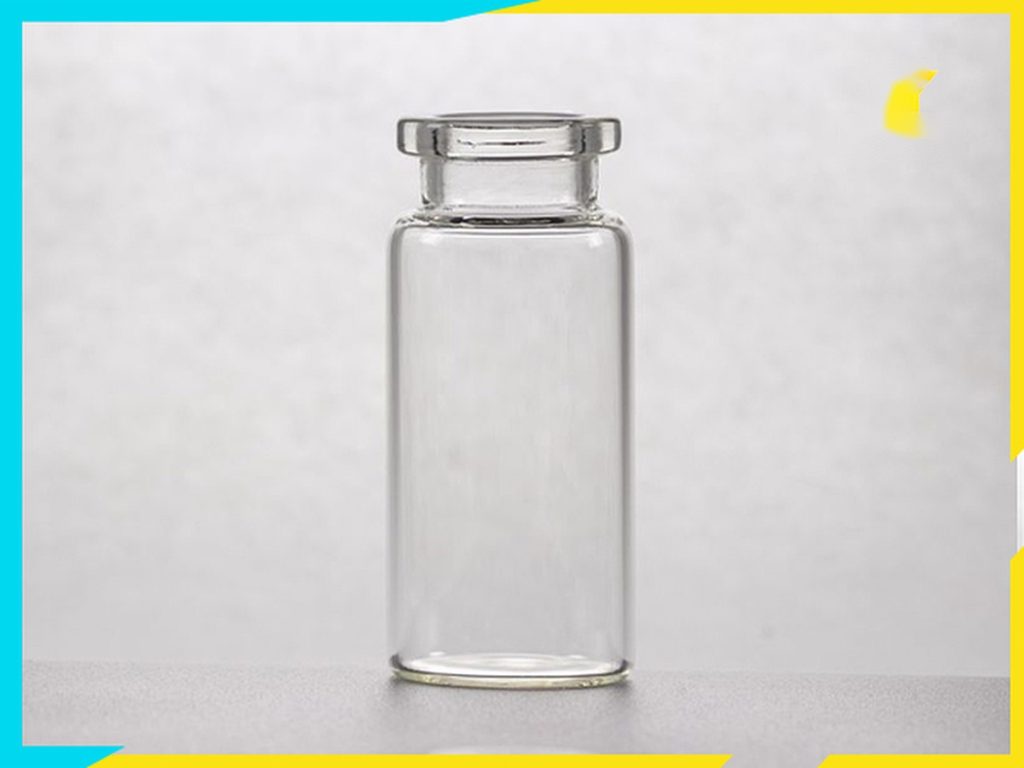
Low Borosilicate Vials – Type II Surface-Treated Glass for Buffered Injectables
Low borosilicate Type II surface-treated glass vials for buffered aqueous injectables. 2–30 ml, USP/EP compliant, lower cost than Type I.

Type II surface-treated low borosilicate vials and Type III soda-lime vials from 2 ml to 50 ml, for buffered injectables, oral liquids and diagnostics.
Low borosilicate and Type III soda-lime glass vials, 2 ml to 50 ml, for oral liquids, diagnostics and cost-sensitive injectables.
Low borosilicate Type II surface-treated glass vials for buffered aqueous injectables. 2–30 ml, USP/EP compliant, lower cost than Type I.
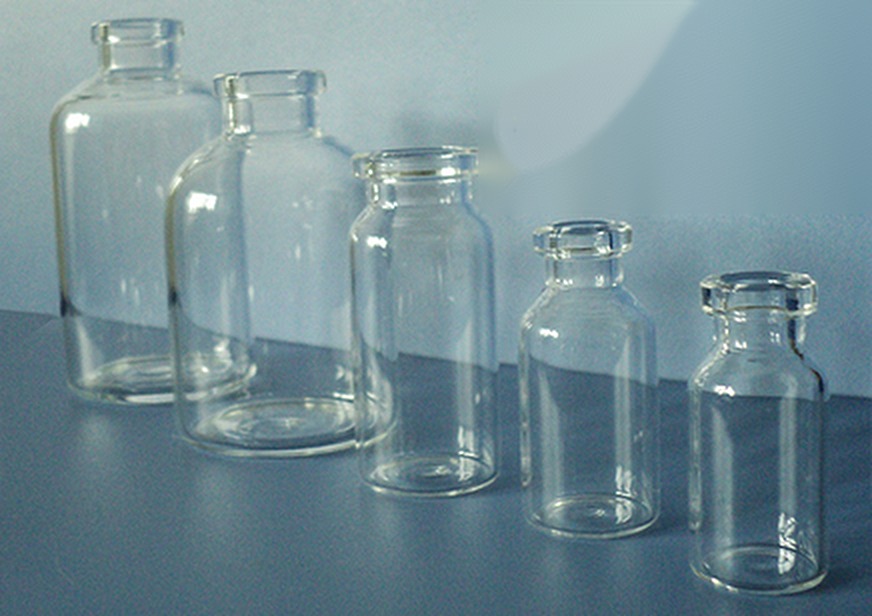
Type III soda-lime glass vials, 2–50 ml, for oral liquids, syrups and diagnostics. Lower cost than Type I with proven chemical resistance.
Not every pharmaceutical product needs Type I borosilicate glass. Buffered injectables, oral liquids, syrups and diagnostic reagents are often packed in lower-grade glass at a significant cost saving, provided the grade is matched to the formulation. PharGlass supplies low borosilicate Type II vials and Type III soda-lime vials from 2 ml to 50 ml, with the same neck finishes, inspection routine and documentation as our Type I range.
Low borosilicate, Type II starts as low borosilicate glass and receives a surface treatment that removes alkali from the inner surface, raising hydrolytic resistance to Type II level. It suits buffered aqueous injectables whose pH range limits glass interaction — antibiotics, electrolyte solutions and diluents. Type III soda-lime is the economical choice for oral liquids, syrups, tinctures and diagnostic reagents, where the product is not injected and is not highly sensitive to alkali release.
Choosing a lower grade is not a shortcut. It is matching the glass to the drug, and it only makes sense when your stability data supports it. We supply all three grades so that you can compare during development rather than after scale-up.
| Capacidade | Tipo de vidro | Acabamento do pescoço | Aplicação típica |
|---|---|---|---|
| 2 ml | Type II / Type III | 13 mm / 20 mm | Small-dose injectables, samples |
| 5 ml | Type II / Type III | 20 mm | Antibiotics, paediatric syrups |
| 10 ml | Type II / Type III | 20 mm | Buffered injectables, cough syrups |
| 20 ml | Type II / Type III | 20 mm | Multi-dose products, diagnostics |
| 30 ml | Tipo III | 20 mm | Vitamin liquids, tonics |
| 50 ml | Tipo III | 20 mm | Bulk oral liquids, reagents |
Clear and amber glass are both available. Amber is used for light-sensitive oral liquids and vitamins. Type II vials share the 13 mm and 20 mm neck finishes of our Type I range, so the same closures apply.
Type II injectable vials use standard Tampões de borracha e aluminium-plastic caps. Type III oral liquid vials are normally closed with screw caps, droppers or lined aluminium caps. We can supply matching closures so that glass and components arrive together.
Both grades cost less than Type I borosilicate, and minimum order quantities for standard sizes are lower. This is what makes them practical for small and mid-sized producers who cannot commit to a full container of Type I glass. Trial quantities are available for stability and line-qualification work.
Need help choosing between Type I, Type II and Type III? Send your formulation and route of administration to nossa equipe de vendas.
Type II vials are made from low borosilicate glass and surface-treated to raise hydrolytic resistance, so they suit buffered aqueous injectables. Type III vials are soda-lime glass and are used for oral liquids, syrups and diagnostics. Neither is a substitute for Type I in unbuffered injectables or biologics.
Yes, for buffered aqueous injectables whose stability data shows no significant glass interaction. Unbuffered solutions, vaccines and biologics should use Type I borosilicate vials.
Low borosilicate and soda-lime vials are available from 2 ml to 50 ml, in clear and amber, with 13 mm and 20 mm neck finishes depending on capacity.
Yes. Type II vials use the same 13 mm and 20 mm neck finishes as our Type I range, so the same rubber stoppers and aluminium-plastic caps apply.
MOQ depends on capacity, glass type and colour. Standard sizes have lower minimums than Type I, and trial quantities are available for stability and line-qualification work.
 PT
 EN
 FR
 AR
 DE
 ES
 FA
 RU